


Other Chemical Products (187)
Showing 181–187 of 187 products · Page 16 of 16
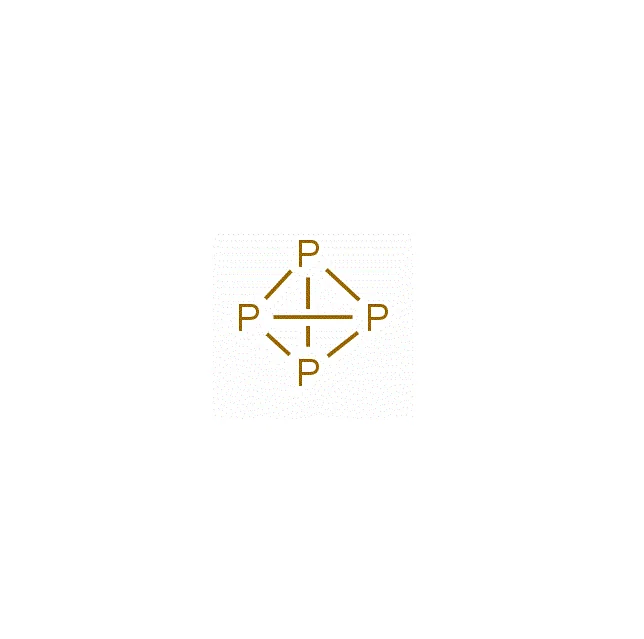
White Phosphorus
White phosphorus is a simple substance of phosphorus, with the chemical formula P4. The appearance is white or light yellow translucent solid. It is soft and brittle when cold, and the light color becomes darker. Exposure to air produces green phosphorescence and white smoke in the dark. It ignites at about 40 °C in wet air and slightly higher in dry air. White phosphorus is poisonous. The toxic dose of human is 15mg and the lethal dose is 50mg. After taking white phosphorus by mistake, serious gastrointestinal irritation and corrosion symptoms will soon occur. A large amount of intake can die from systemic bleeding, hematemesis, bloody stool and circulatory system failure. If the patient can survive temporarily, he can also die slowly due to liver, kidney and cardiovascular dysfunction. When the area of skin burned by phosphorus is more than 7%, it can cause severe acute hemolytic anemia and even die of acute renal failure. Long term inhalation of phosphorus vapor can lead to tracheitis, pneumonia and serious bone damage.
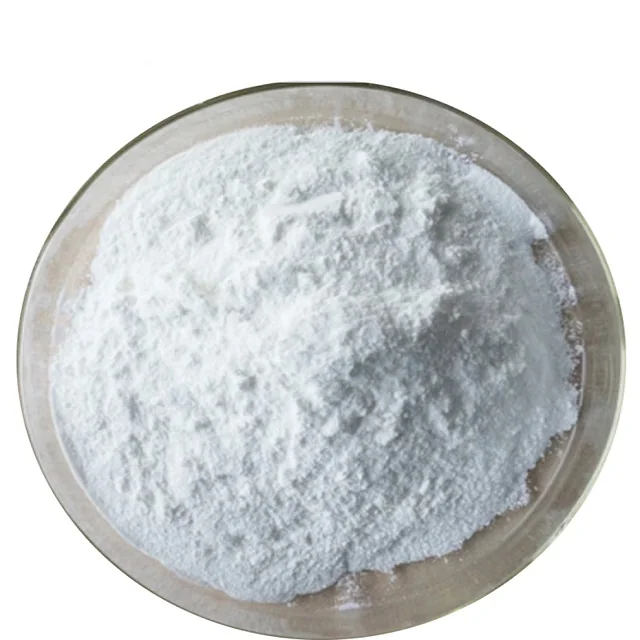
Ytterbium Chloride
Hygroscopic. The melting point is 865°C, and the relative density is 2.575. Soluble in water, soluble in anhydrous ethanol. 6 molecules of water are lost at 180°C. Preparation method: Dissolve ytterbium oxide or hydroxide in hydrochloric acid, evaporate and concentrate on a water bath.
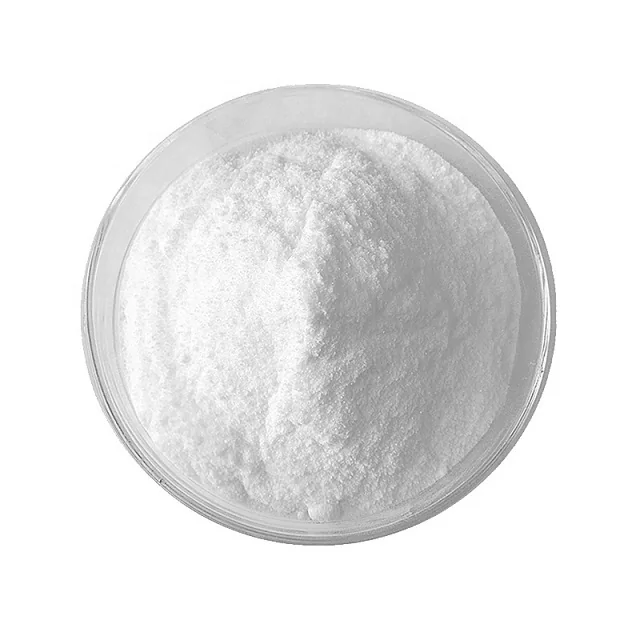
Zinc Carbonate Basic
White fine amorphous powder. Odorless and tasteless. Insoluble in water and alcohol, slightly soluble in ammonia. Soluble in dilute acid and sodium hydroxide. Mainly used as catalyst, desulfurizer, and also used as active agent for natural rubber, styrene-butadiene rubber, butyl rubber, nitrile rubber, neoprene rubber, EPDM, and rubber. It is widely used in the manufacture of transparent products.
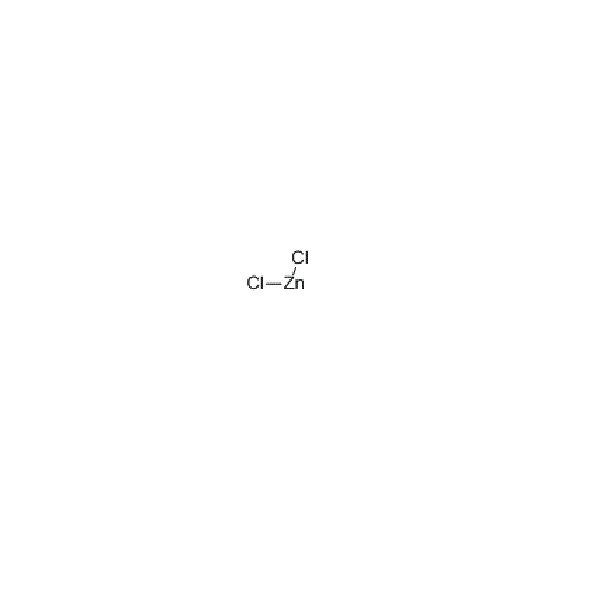
Zinc Chloride
Zinc chloride is the name of chemical compounds with the formula ZnCl2 and its hydrates. Zinc chlorides, of which nine crystalline forms are known, are colorless or white, and are highly soluble in water. ZnCl2 itself is hygroscopic and even deliquescent. Samples should therefore be protected from sources of moisture, including the water vapor present in ambient air. Zinc chloride finds wide application in textile processing,metallurgical fluxes, and chemical synthesis. No mineral with this chemical composition is known aside from the very rare mineral simonkolleite, Zn5(OH)8Cl2·H2O.
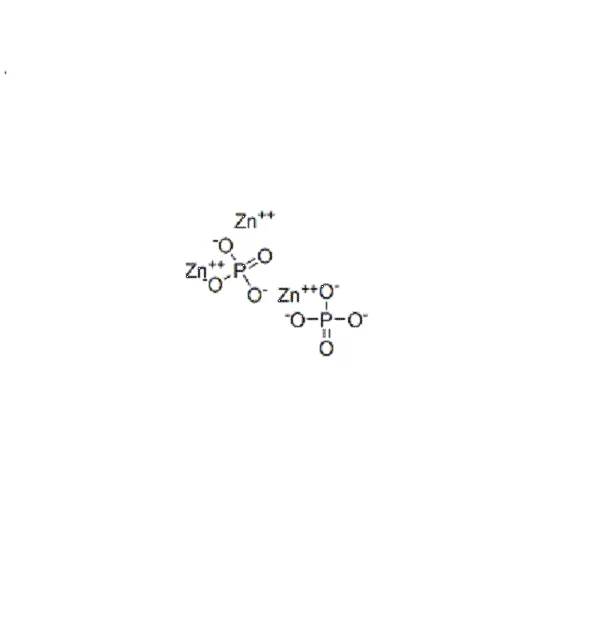
Zinc Phosphate
Zinc phosphate is formed from zinc phosphate cement and used in dentistry. Zinc phosphate
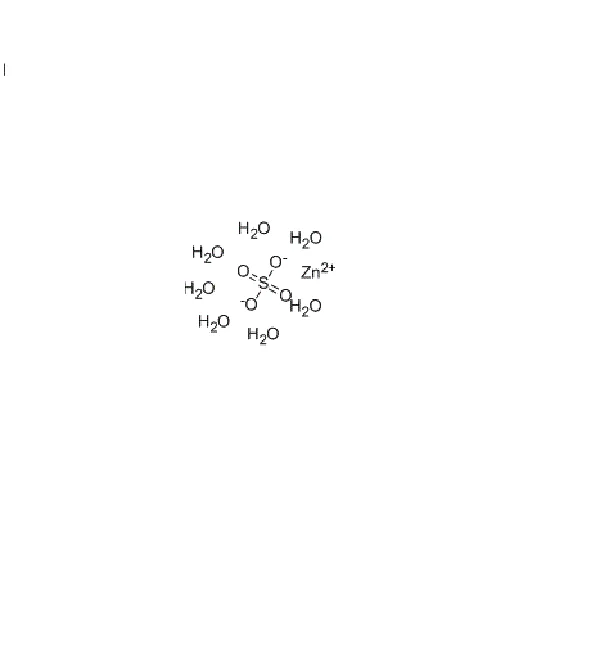
Zinc Sulphate Heptahydrate
Main application: used in the manufacture of lithopone, and used as a mordant, astringent, wood preservatives, etc.
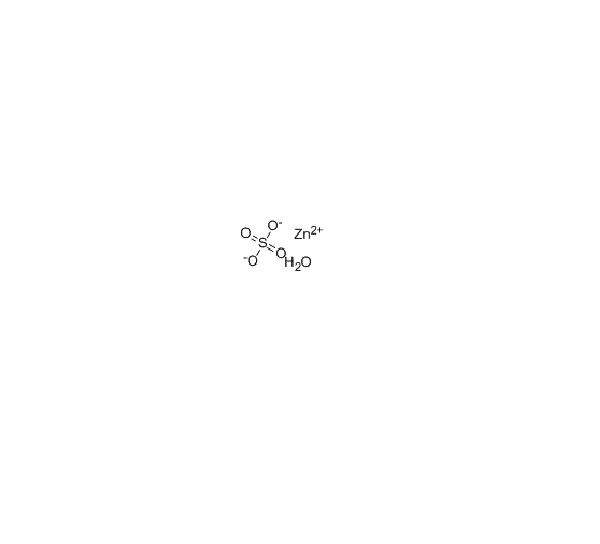
Zinc Sulphate Monohydrate
Used in synthetic fibers, pesticides, dyes, electroplating and other zinc salt manufacturing is the raw material of zinc salt and lithopone. Smelting technology used in cable galvanized and pure zinc electrolysis. Is also used to prevent the fruit tree nursery diseases, wood and leather preservation agent and man-made fiber industry. Food grade used as a nutritional supplement (zinc fortifier).