


Other Chemical Products (187)
Showing 157–168 of 187 products · Page 14 of 16
Sodium Metasilicate
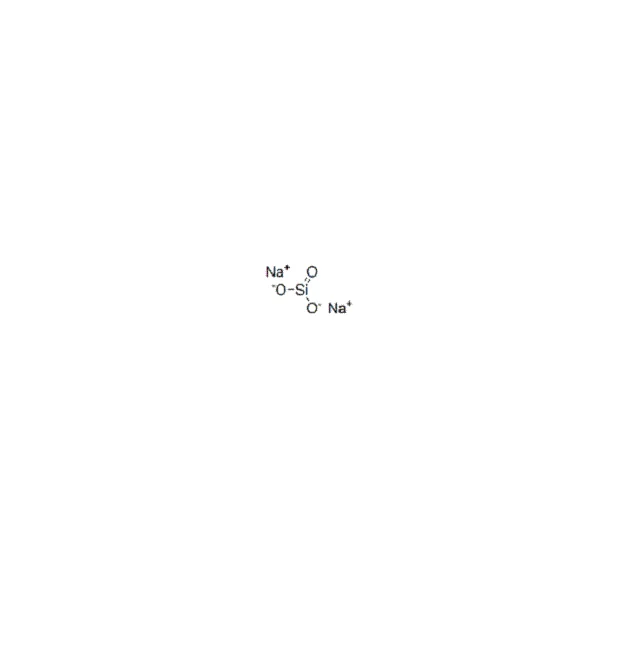
Sodium metasilicate is a kind of salt of silicic acid, which belongs to inorganic salt product. Its molecular formula is Na2SiO3 · nH2O. It is a white powder or crystal particle which is non-toxic, tasteless and pollution-free. It is easy to dissolve in water, not in alcohol and acid. The aqueous solution is alkaline. It is easy to absorb moisture and deliquesce in the air. It has the ability of descaling, emulsifying, dispersing, wetting, permeability and buffering pH value, Sodium metasilicate is a kind of low molecular crystal produced by the hydrothermal reaction of common foamed alkali and caustic soda. The commodity includes anhydrous, five water and nine hydrate. Among them, the nine hydrate only exists in the market of our country. It is a technology urgently developed by sodium metasilicate in 1980s The emergency product with low technical content will release crystal water when its melting point is only 42 °C and 30-40 °C, which brings inconvenience to use. It is easy to change into liquid or paste shape when it is stored, and is being phased out gradually. However, due to some user habits and some fields are not very interested in crystal water, sodium metasilicate jiushui still has a certain market.
Sodium Nitrite
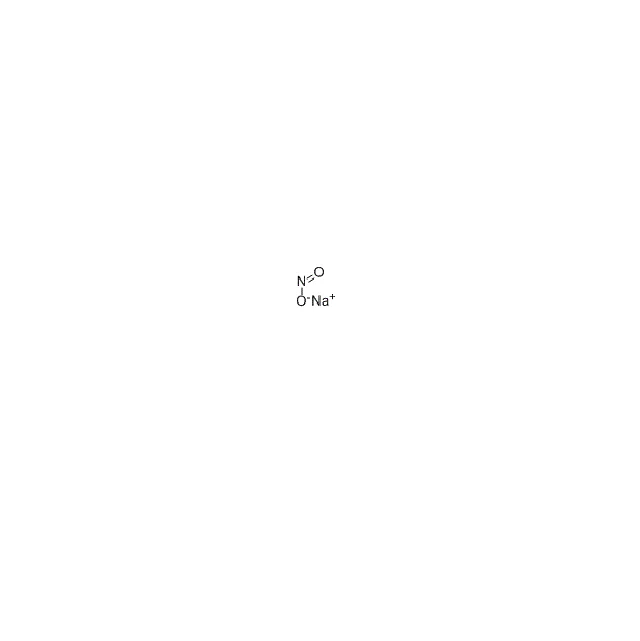
Colorless or yellow crystal, with relative density of 2.168 (0 °C), melting point of 271 °C, and decomposition at 320 °C. It is soluble in water and its aqueous solution is alkaline due to the hydrolysis of nitrite. Sodium nitrite has both oxidability and reducibility, mainly oxidability. It is mainly oxidized in acid solution and reductive in alkaline solution or in case of strong oxidant. It can cause combustion or explosion by friction or impact with sulfur, phosphorus, organic matter, etc.
Sodium O-isobutyl Dithiocarbonate
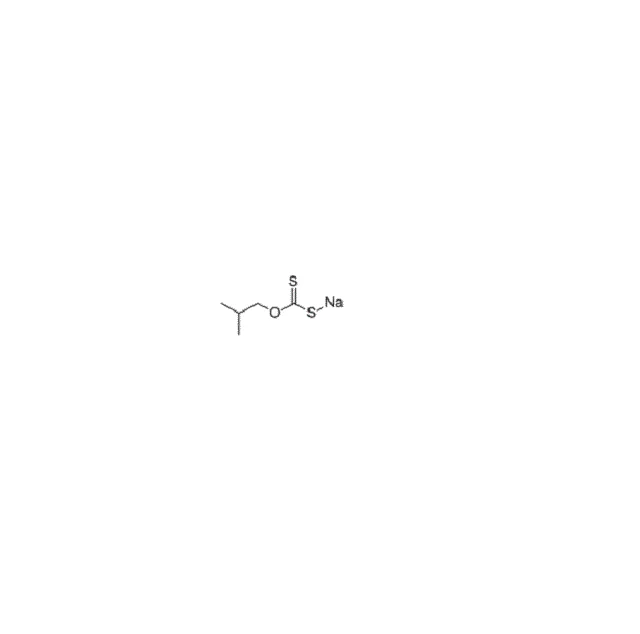
It is a strong collector for sulfide ores of various non-ferrous metals, especially for flotation of various copper ores and pyrites.
Sodium Silicate
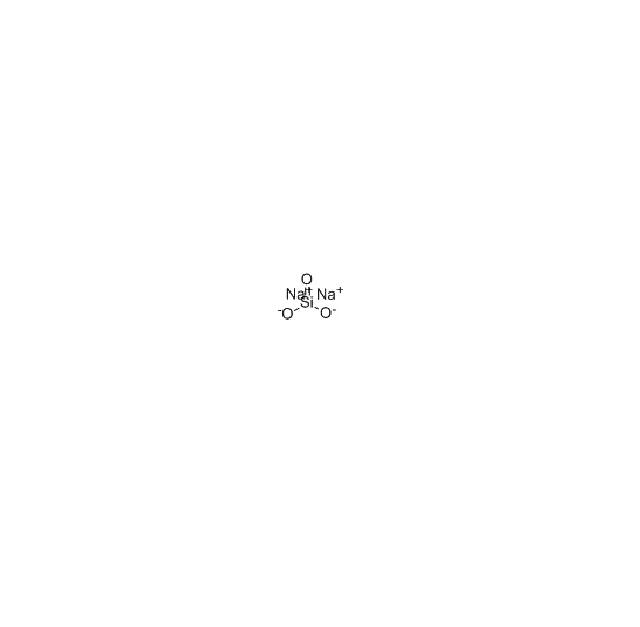
Sodium silicate is widely used in almost all sectors of the national economy. In the chemical system, it is used to manufacture silica gel, silica, zeolite molecular sieve, sodium metasilicate pentahydrate, silica sol, layer silicon, instant powder sodium silicate, potassium sodium silicate and other silicate products. It is the basic raw material of silicon compounds. In developed countries, more than 50 kinds of deep-processing products with sodium silicate as raw material have been developed, some of which have been used in the fields of high, fine and advanced science and technology; in light industry, they are indispensable raw materials in detergents such as washing powder and soap, as well as water softener and precipitant aid; in textile industry, they are used in dyeing aid, bleaching and sizing; in machinery industry, they are widely used in casting and grinding wheel Manufacturing and metal preservatives, etc.; in the construction industry, it is used to manufacture quick drying cement, acid resistant cement waterproof oil, soil curing agent, refractories, etc.; in agriculture, it can manufacture silicon fertilizer; in addition, it is used as silicon aluminum catalyst, soap filler, corrugated adhesive, laboratory crucible and other high temperature resistant materials, metal preservative, water softener, detergent assistant, etc Agents, refractories and ceramic raw materials, bleaching, dyeing and sizing of textiles, mineral processing, water-proof, leakage stoppage, wood fire prevention, food corrosion prevention and adhesive making, etc.

Sodium Sulfide
Sodium sulfide, also known as sulfurized alkali, stinky soda and stinky alkali, is colorless or purplish prismatic crystal under normal temperature. Industrial sodium sulfide is usually pink, brownish red and earthy yellow block due to impurities. It has rotten egg odor, corrosive and toxic, with a density of 2.427. Decomposition at 920 °C. Soluble in cold water, soluble in hot water, almost all of them are hydrolyzed to sodium hydroxide and sodium hydrosulfide (15.4g at 10 °C and 57.2g at 90 °C). The aqueous solution is strongly alkaline and corrosive to copper, wood, skin, etc. Slightly soluble in ethanol, insoluble in ether. Sodium sulfide reacts with strong acid to release hydrogen sulfide. Deliquescence in air, easy to oxidize into sodium thioate. Sodium sulfide is mainly used as raw material of raw hide depilating agent, pulp cooking agent, sulfide dye, dye intermediate reducing agent, fabric dyeing mordant, ore flotation agent, viscose fiber desulfurizer and raw material of producing sodium hydrosulfide and sodium polysulfide.
Sodium Sulphate Anhydrous
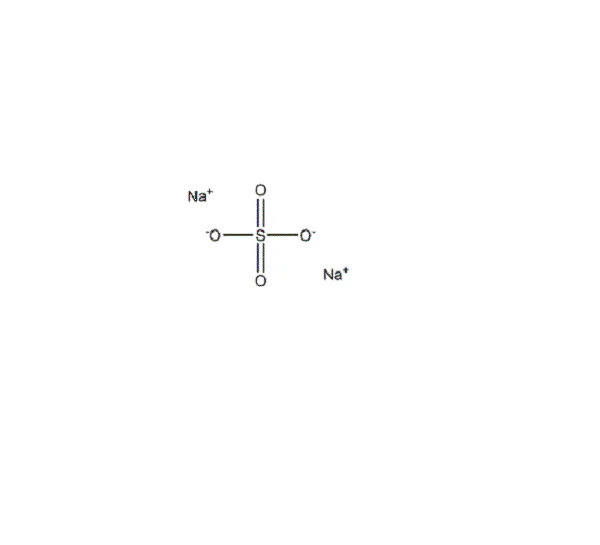
Sodium sulfate is the sodium salt of sulfuric acid. When anhydrous, it is a white crystalline solid of formula Na2SO4 known as the mineral thenardite; the decahydrate Na2SO4•10H2O is found naturally as the mineral mirabilite, and in processed form has been known as Glauber’s salt or, historically,sal mirabilis since the 17th century. Another solid is the heptahydrate, which transforms to mirabilite when cooled. With an annual production of 6 million tonnes, it is a major commodity chemical product.
Solid Acrylic Resin
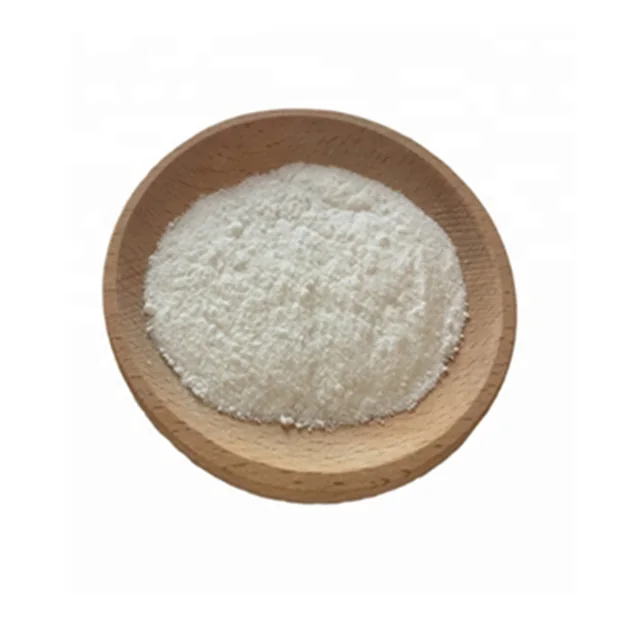
Acrylic resin, commonly known as plexiglass, is a polymer compound polymerized by methyl methacrylate. Commonly used synthesis methods include anionic polymerization, solution polymerization, bulk polymerization, and suspension polymerization. In addition, the resin has excellent characteristics such as easy coloring, light weight, not easy to break, and good processing performance. Therefore, it is often used as a substitute for glass, optical lenses, lenses, etc. In addition, with the development of acrylic resins and their modified polymers, acrylic resins are also widely used in pharmaceutical preparations and coatings.
Styrene
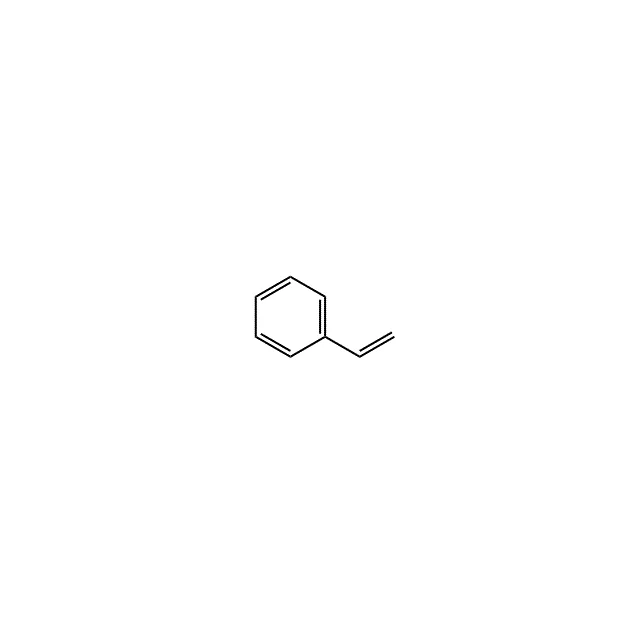
Styrene is an organic compound formed by replacing one hydrogen atom of ethylene with benzene. The electrons of the vinyl group are conjugated with the benzene ring, which is a kind of aromatic hydrocarbon. Molecular formula C8H8, simple structure C6H5CH=CH2. Exist in Suhe Balsam (a natural fragrance). Colorless, oily liquid with special aroma. Melting point -30.6°C, boiling point 145.2°C, relative density 0.9060 (20/4°C), refractive index 1.546, viscosity 0.762cPat68°F. It is insoluble in water, soluble in ethanol and ether. It will gradually polymerize and oxidize when exposed to the air. Polymerization inhibitor [hydroquinone or tert-butylcatechol (0.0002% ~ 0.002%) must be added for stability Agent to delay its polymerization] can be stored. Industrially, it is an important monomer for synthetic resins, ion exchange resins and synthetic rubbers. Styrene can also undergo addition reactions specific to olefins.
Sulfamic Acid
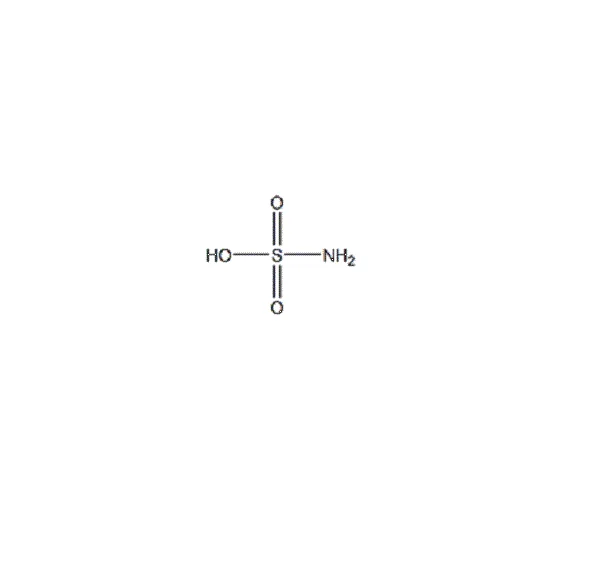
Sulfamic acid, also known as amidosulfonic acid, amidosulfuric acid, aminosulfonic acid, and sulfamidic acid, is a molecular compound with the formula H3NSO3. This colorless, water-soluble compound finds many applications. Sulfamic acid melts at 205 °C before decomposing at higher temperatures to H2O, SO3, SO2, and N2.
Talc
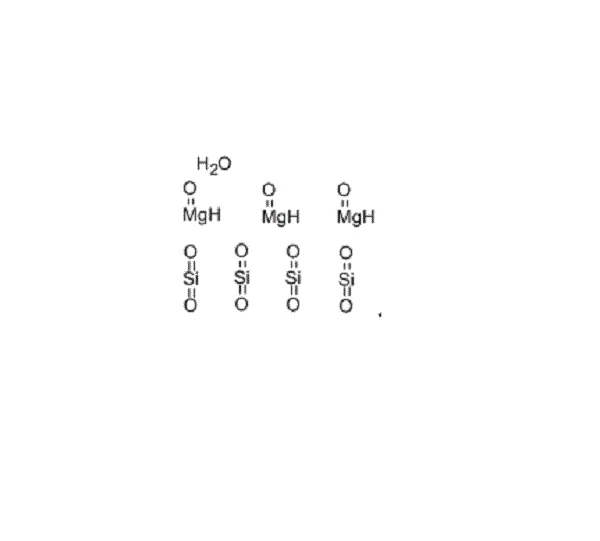
Talc (derived from Persian: تالک tālk; Arabic: تلك talk) is a mineral composed of hydrated magnesium silicate with the chemical formula H2Mg3(SiO3)4 or Mg3Si4O10(OH)2. In loose form, it is the widely used substance known as talcum powder. It occurs as foliated to fibrous masses, and in an exceptionally rare crystal form. It has a perfect basal cleavage, and the folia are non-elastic, although slightly flexible. It is the softest known mineral and listed as 1 on the Mohs hardness scale. It can be easily scratched by a fingernail. It is also sectile (can be cut with a knife). It has a specific gravity of 2.5–2.8, a clear or dusty luster, and is translucent to opaque. Talc is not soluble in water, but it is slightly soluble in dilute mineral acids. Its colour ranges from white to grey or green and it has a distinctly greasy feel. Its streak is white.
Terbium Oxide
Terbium oxide is used in green fluorescent materials such as tricolor fluorescent lamps, projection TVs, X-ray intensifying screens, electroluminescent materials, plasma flat panel displays, and biological fluorescent probes. Faraday optical isolation materials for laser and optoelectronic devices NdFeB permanent magnet alloy additives, magnetostrictive materials, magneto-optical materials, non-ferrous metal additives, etc.
Tetrahydrothiophene
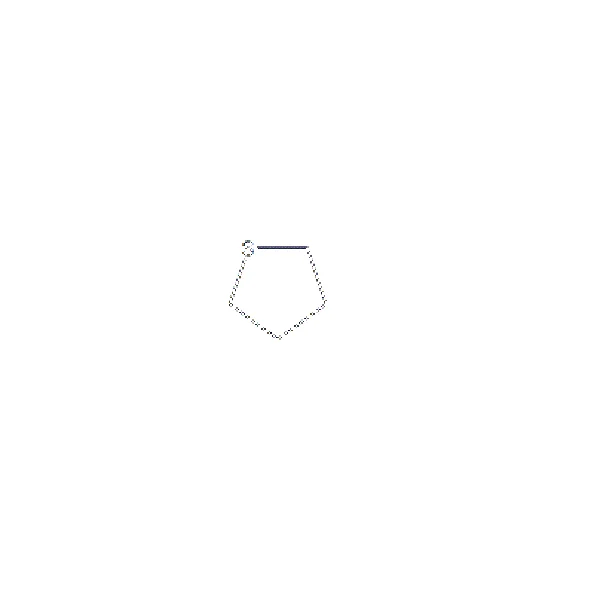
Tetrahydrothiophene is an organosulfur compound with the formula (CH2)4S. It consists of a five-membered ring containing four carbon atoms and a sulfur atom. It is the saturated analog of thiophene. It is a volatile, colorless liquid with an intensely unpleasant odor. It is also known as thiophane, thiolane or THT.