


Other Chemical Products (187)
Showing 133–144 of 187 products · Page 12 of 16
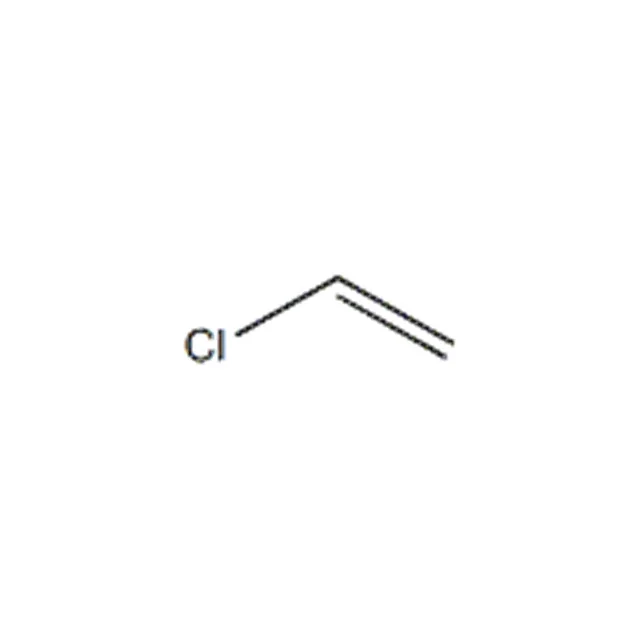
Polyvinyl Chloride
Poly(vinyl chloride), commonly abbreviated PVC, is the third-most widely produced polymer, after polyethylene andpolypropylene. PVC comes in two basic forms: rigid (sometimes abbreviated as RPVC) and flexible. The rigid form of PVC is used inconstruction for pipe, and in profile applications such as doors and windows. It can be made softer and more flexible by the addition ofplasticizers, the most widely used being phthalates. In this form, it is also used in plumbing, electrical cable insulation, imitation leather, signage, inflatable products and many applications where it replaces rubber.
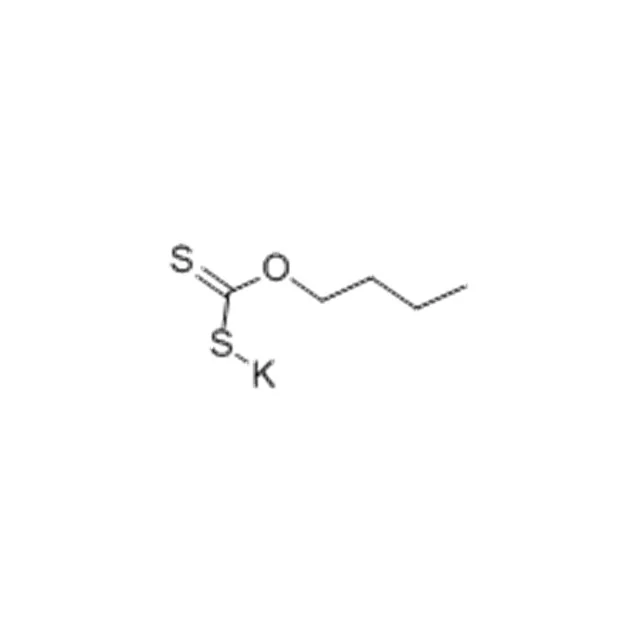
Potassium Butylxanthate
Potassium butylxanthate is a collector with better selectivity, used in copper pyrites ,marmatite, pyrite ore and activation marmatite and so on, and also used in sulfide ores for the flotation of sulfide copper mine.
Potassium Chloride
Colorless cubic crystal or white crystal. Used to prepare other potassium salts, also used in medicine, metal heat treatment, photography and metal magnesium production, etc. Used as electrolyte supplements, used in the treatment of hypokalemia and other nutritional supplements, gelling agents, salt substitutes, yeast foods .
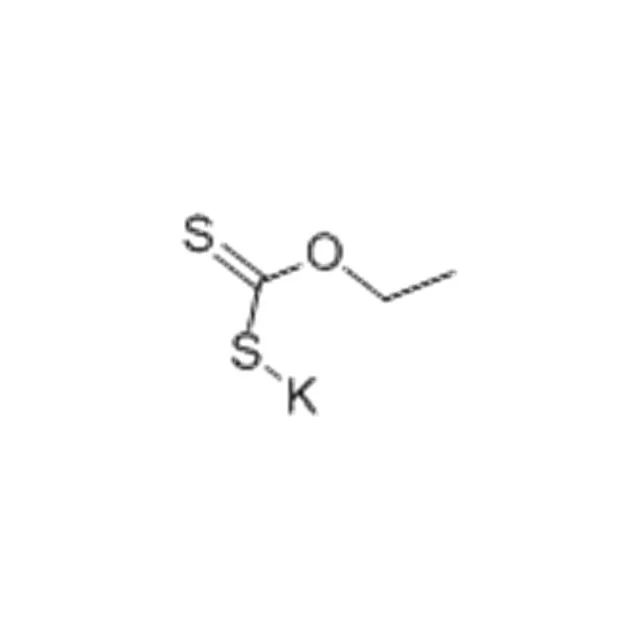
Potassium Ethyl Xanthate
Potassium ethyl xanthate is predominantly used in the mining industry as flotation agent for extraction of the ores of copper, nickel, and silver. The method exploits the affinity of these “soft” metals for the organosulfur ligand. Potassium xanthate is a useful reagent for preparing xanthate esters from alkyl and aryl halides.
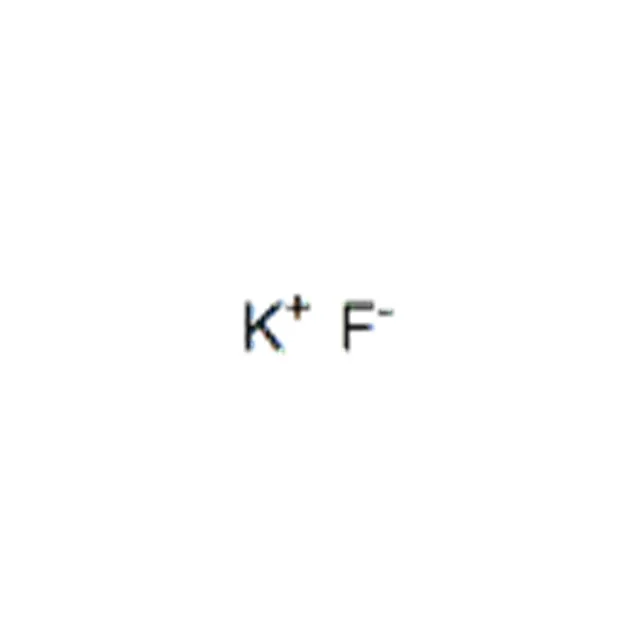
Potassium Fluoride
Potassium fluoride is the chemical compound with the formula KF. After hydrogen fluoride, KF is the primary source of the fluoride ion for applications in manufacturing and in chemistry. It is an alkali halide and occurs naturally as the rare mineral carobbiite. Aqueous solutions of KF will etch glass due to the formation of soluble fluorosilicates, although HF is more effective.
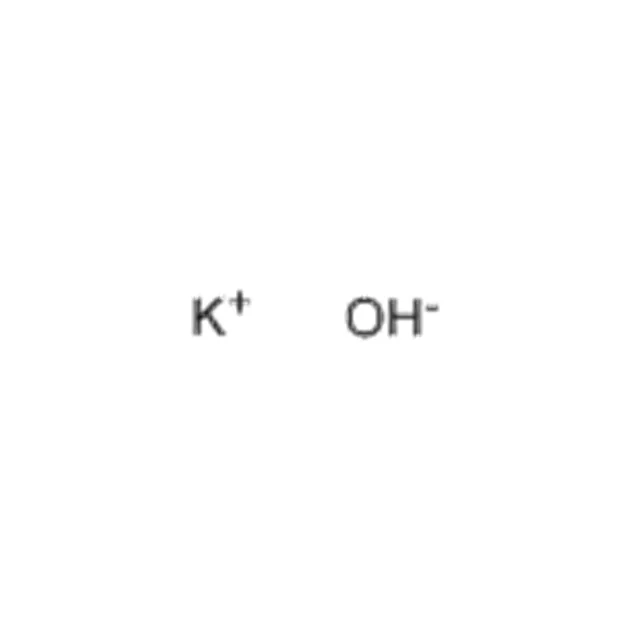
Potassium Hydroxide
Potassium hydroxide is an inorganic compound with the formula KOH, commonly called caustic potash. Along with sodium hydroxide (NaOH), this colorless solid is a prototypical strong base. It has many industrial and niche applications; most applications exploit its reactivity toward acids and its corrosive nature. KOH and NaOH can be used interchangeably for a number of applications, although in industry, NaOH is preferred because of its lower cost.
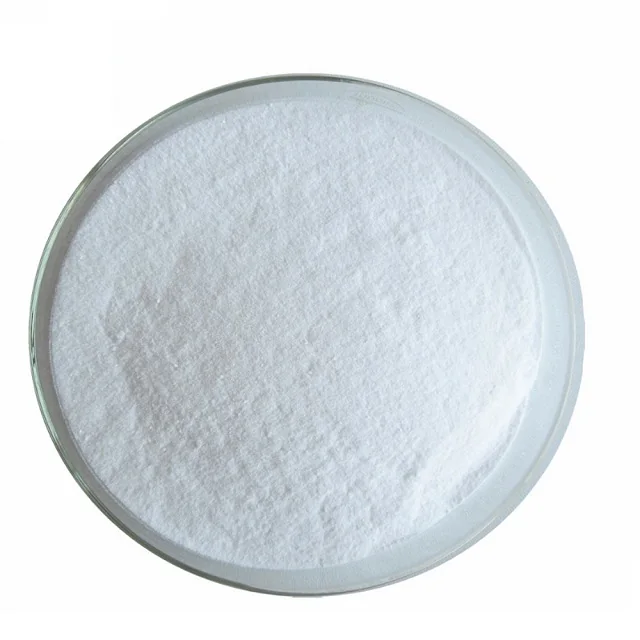
Potassium Iodide
Colorless or white cubic crystals. Odorless, with a strong bitter and salty taste. Soluble in water, soluble in ethanol, methanol, acetone, glycerol and liquid ammonia, slightly soluble in ether. Its aqueous solution is neutral or slightly alkaline. Potassium iodide is a permitted food iodine fortifier. my country stipulates that it can be used in infant food at a dosage of 0.3-0.6 mg/kg. It can also be used for table salt, and the usage amount is 30-70mL/kg. As a component of thyroxine, iodine participates in the metabolism of all substances in livestock and poultry and maintains heat balance in the body. It is an indispensable hormone for the growth and reproduction of livestock and poultry for lactation. It can improve the growth performance of livestock and poultry and promote the health of the body. If the body of livestock and poultry is deficient in iodine, it will lead to metabolic disorder, body disorder, goiter, affect nerve function, fur color and feed digestion and absorption, and eventually lead to slow growth and development.
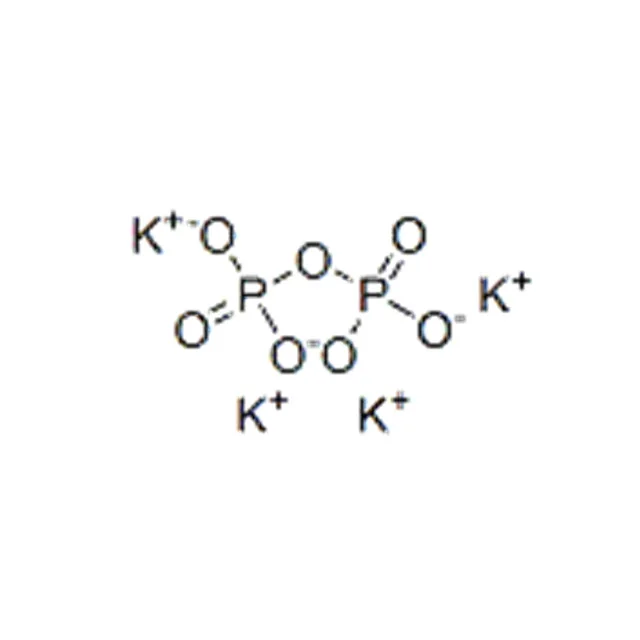
Potassium Pyrophosphate
Potassium Pyrophosphate is an inorganic compound with the formula KOH, commonly called caustic potash. Along with sodium hydroxide (NaOH), this colorless solid is a prototypical strong base. It has many industrial and niche applications; most applications exploit its reactivity toward acids and its corrosive nature. KOH and NaOH can be used interchangeably for a number of applications, although in industry, NaOH is preferred because of its lower cost.
Potassium Sulphate
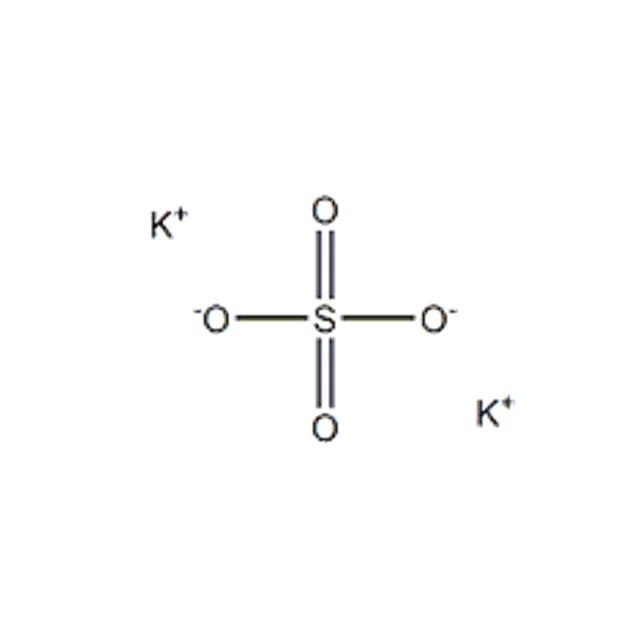
Potassium Sulfate (K2SO4) (in British English potassium sulphate, also called sulphate of potash, arcanite, or archaically known as potash of sulfur) is a non-flammable white crystalline salt which is soluble in water. Thechemical is commonly used in fertilizers, providing both potassium and sulfur.
Prilocaine
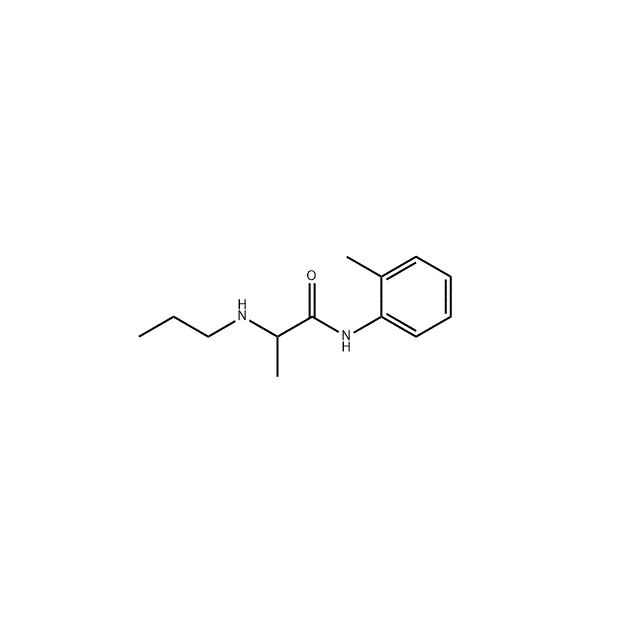
Prilocaine is an amide local anesthetic. Its intensity and speed are similar to lidocaine, but it lasts longer and has a weaker effect on vasodilation. The toxicity is lower than that of lidoca. It is clinically used for local anesthesia, especially for patients who are not allowed to use epinephrine.
Propargyl Alcohol
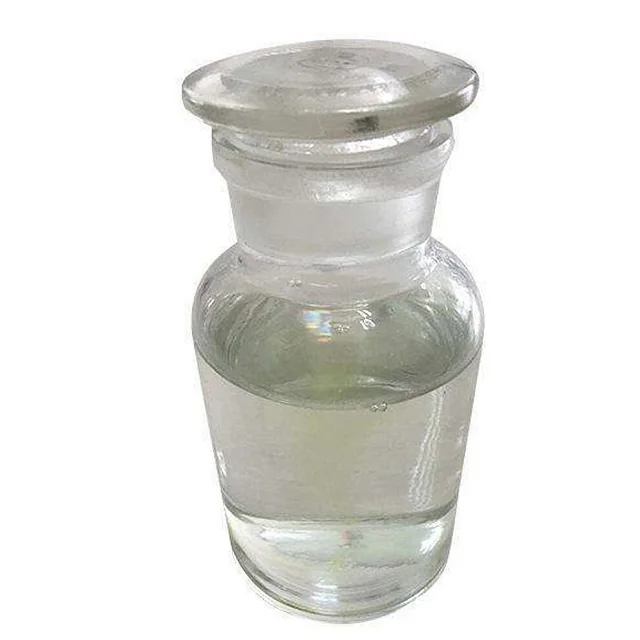
Propynol, also known as 2-propyn-1-ol, is an organic compound with the chemical formula C3H4O. It is a colorless and transparent liquid and is highly toxic. It is used as a rust remover, chemical intermediate, corrosion inhibitor, solvent, stabilizer, etc. Organic synthesis intermediates, solvents, stabilizers for chlorinated hydrocarbons. It can be used alone as a corrosion inhibitor, and it is best to be compounded with a substance that produces a synergistic effect to obtain higher corrosion inhibition efficiency. For example, in order to increase the corrosion inhibition effect of alkynol in dilute sulfuric acid solution, it is recommended to add sodium chloride, potassium chloride, calcium chloride, potassium bromide, potassium iodide or zinc chloride.
Propylene Carbonate
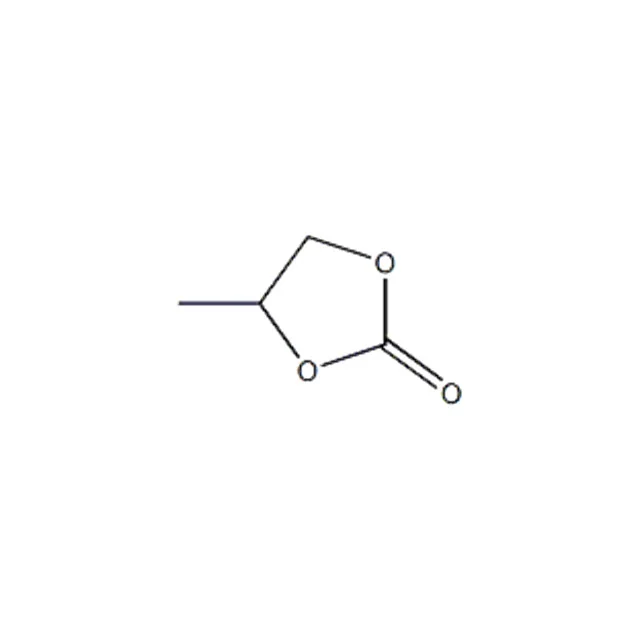
Propylene Carbonate (often abbreviated PC) is an organic compound with the formula C4H6O3. It is a carbonate ester derived from propylene glycol.This colorless and odorless liquid is useful as a polar, aprotic solvent. Propylene carbonate is chiral but is used exclusively as the racemic mixture. Propylene carbonate is used in a variety of syntheses and applications as a polar, aprotic solvent.