


Indicator (87)
Showing 73–84 of 87 products · Page 7 of 8
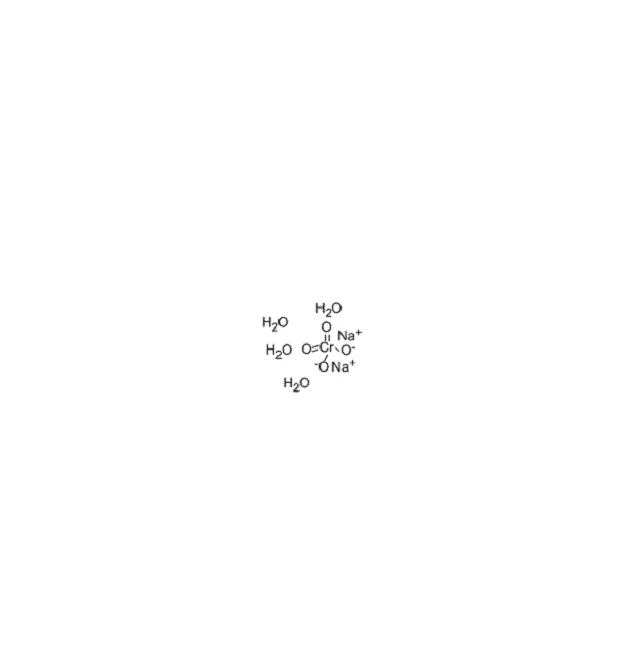
Sodium Chromate Tetrahydrate
Yellow translucent triclinic crystal or crystalline powder. Soluble in water, slightly soluble in ethanol. It is mainly used in ink, paint, pigment, metal corrosion inhibitor, organic synthetic oxidant, tanning and dyeing.
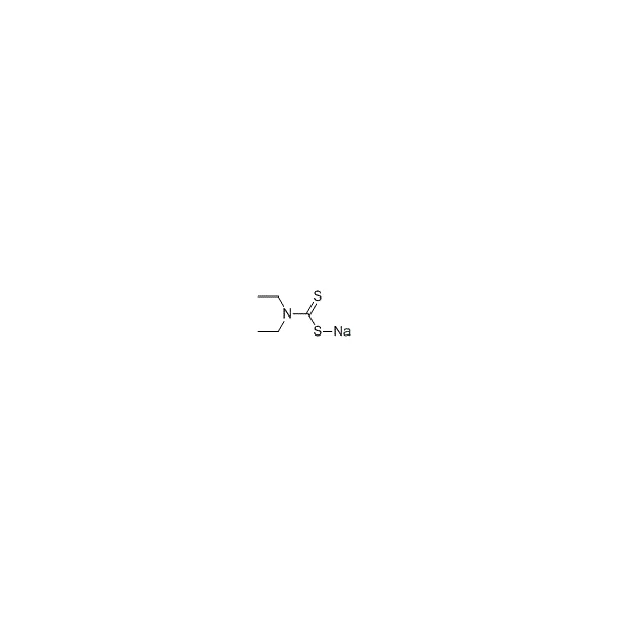
Sodium Diethyldithiocarbamate
Copper reagent is used in the color reaction of copper, as a precipitant and solvent extractant of soft metal ions, and as a photometric reagent for the determination of bismuth, copper, nickel and other metals.
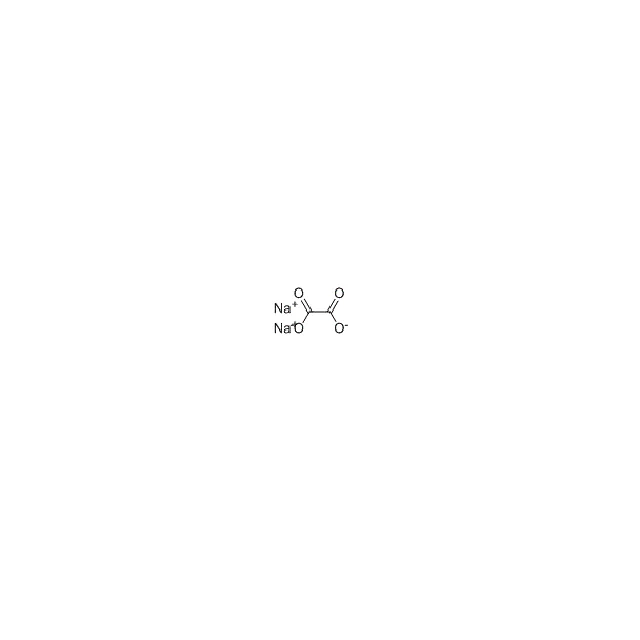
Sodium Oxalate
White crystalline powder. Soluble in water, insoluble in ethanol. It is mainly used as the intermediate of oxalic acid production, and can also be used in cellulose finishing agent, textile, leather processing, etc. In analytical chemistry, it is used as the standard for the calibration of potassium permanganate solution. Fireworks yellow luminous agent.
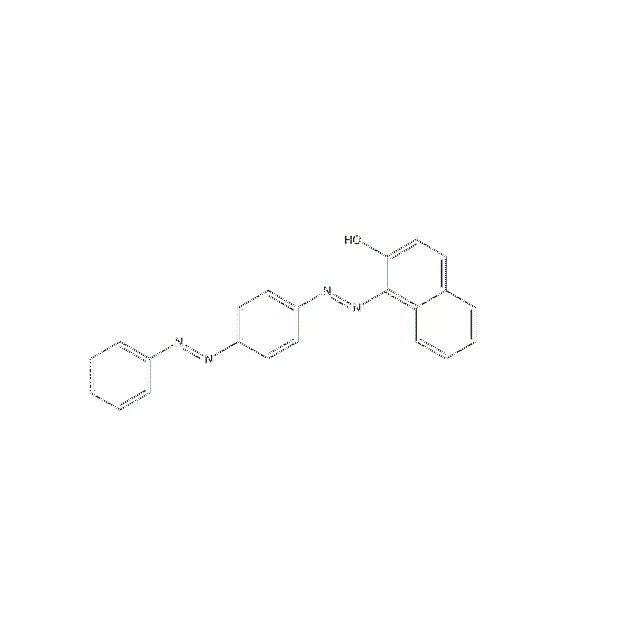
Solvent Red 23
Brownish red powder (crystallized by acetic acid as brownish green crystal), soluble in methanol, ethanol, DMSO and other organic solvents, comes from synthetic dyes.
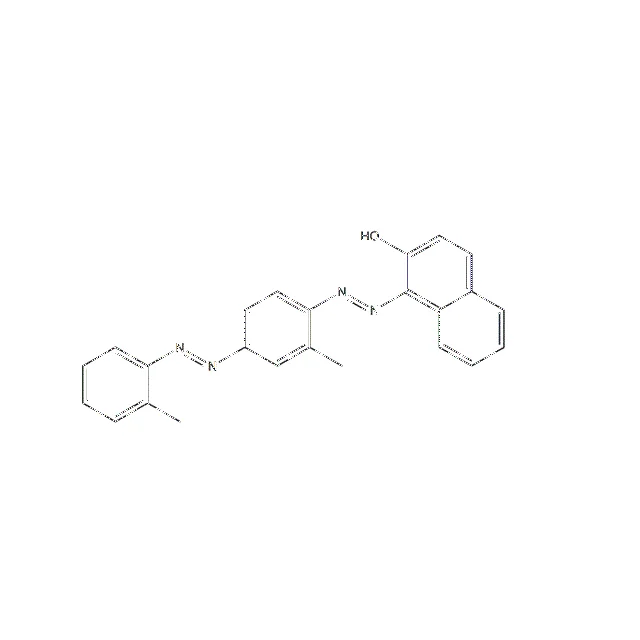
Solvent Red 24
Dark red powder. Melting point 184-185 °C. Insoluble in water, soluble in ethanol and acetone, soluble in benzene, candlelight, transparent plastic red 301.
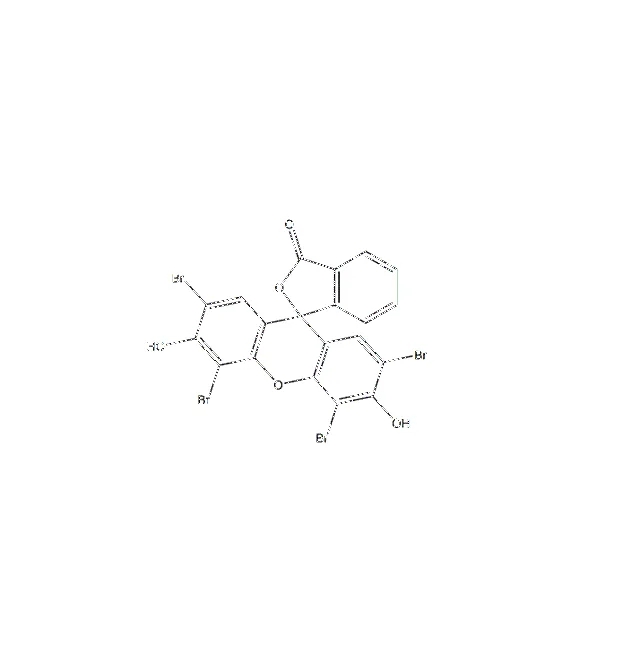
Solvent Red 43
Solvent Red 43, also known as 2 ', 4', 5 ', 7' - tetrabromo-3 ', 6' - dihydroxyspiro [isophenylpropylfuran-1 (3H), 9 '(9h) - Zhan ton] - 3-one, is a dye and pigment with molecular formula c20h10br4o5 and molecular weight 649.9064.
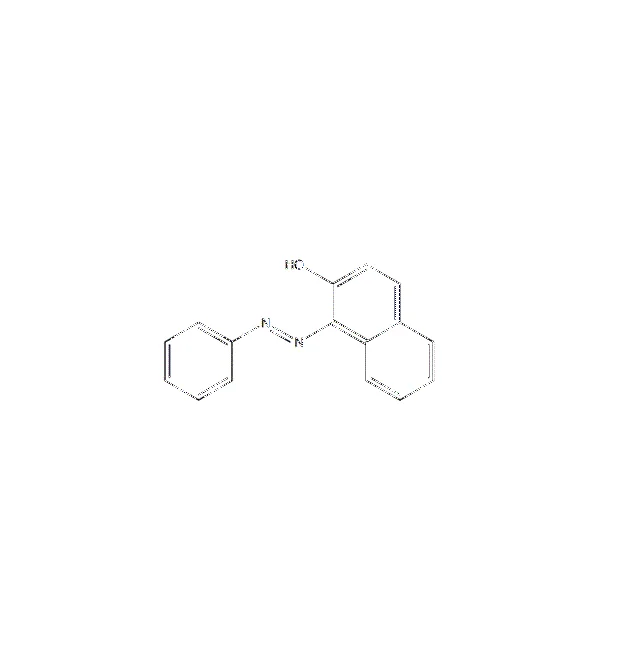
Sudan I
Yellow powder. Melting point 134 °C, insoluble in water, slightly soluble in ethanol, easily soluble in oil and mineral oil, soluble in acetone and benzene. It is orange red solution in ethanol, magenta in concentrated sulfuric acid, orange yellow precipitate after dilution, red solution after heating in concentrated hydrochloric acid, and dark green hydrochloride crystal after cooling.
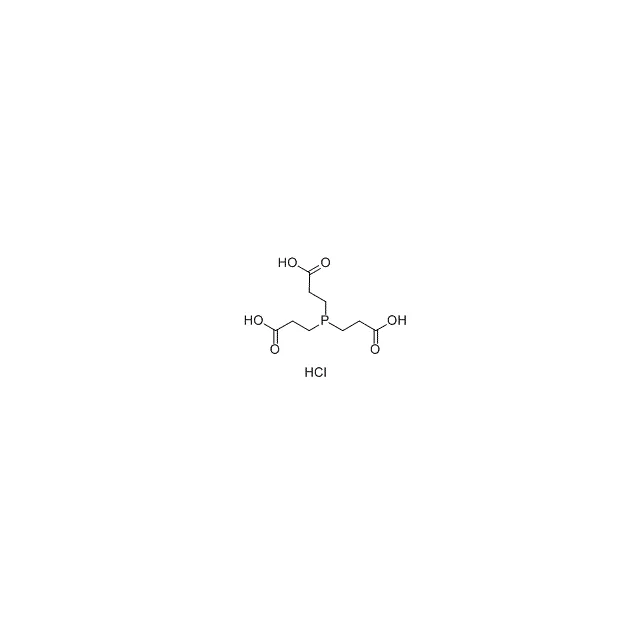
TRIS(2-CARBOXYETHYL)PHOSPHINE HYDROCHLORIDE
Tris(2-carboxyethyl)phosphine hydrochloride (TCEP hydrochloride) is a new type of reducing agent and deprotecting agent for sulfhydryl DNA. Sulfhydryl DNA terminal sulfur atoms tend to form dimers in solution, especially in the presence of oxygen. This dimerization greatly reduces the efficiency of some coupling reaction experiments (such as the immobilization of DNA in a biosensor); and adding tris(2-carboxyethyl)phosphine hydrochloride (TCEP hydrochloride) to the DNA solution ), which can be removed after a period of reaction to reduce DNA dimerization.
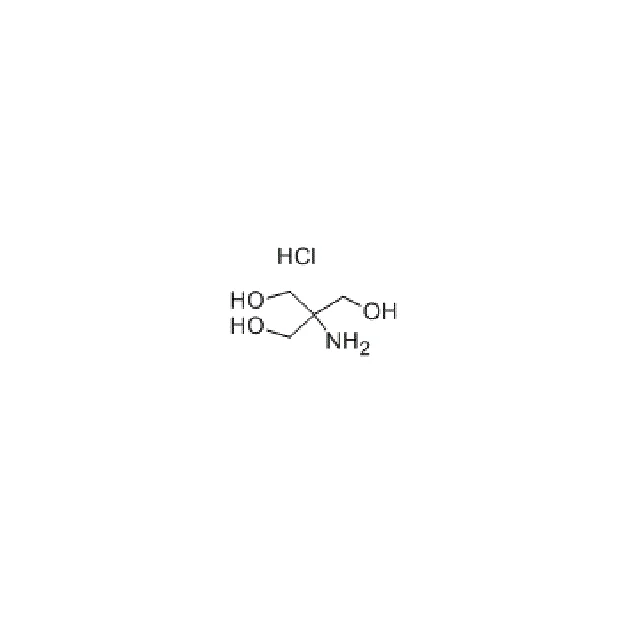
TRIS Hydrochloride
It is used for protein crystal growth under different pH conditions. The low ionic strength of Tris-HCL buffer can be used for the formation of the intermediate fibers of the nematode nuclear laminin. Tris-HCl is also one of the main components of protein running buffer. In addition, Tris-HCL is also an intermediate for the preparation of surfactants, vulcanization accelerators and some drugs. Tris-HCl is also used as a titration standard.
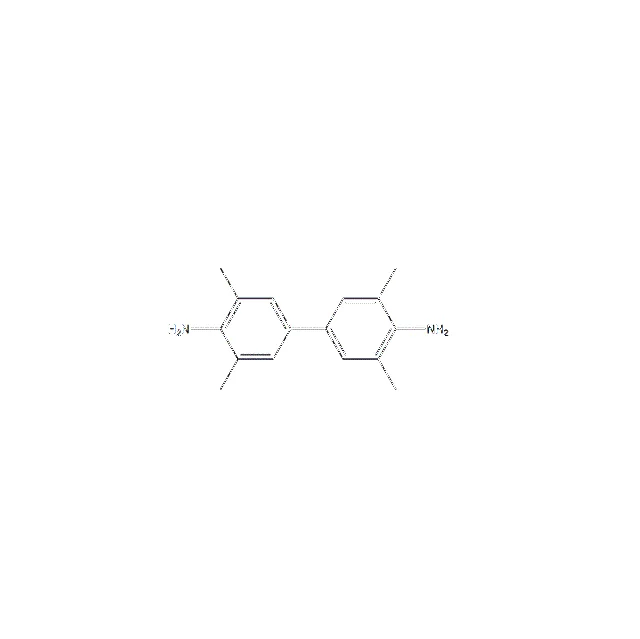
Tetramethylbenzidine
This product is a non carcinogenic substitute of benzidine-1 (negative for Ames test), which is suitable for peroxidase substrate of enzyme-linked immunosorbent assay. The substrate produces a soluble light blue end product, which can be read at 370 or 620-650nm by spectrophotometry. The TMB reaction can be terminated with 2mh2so4 (turning yellow), and the data can be read at 450nm. A sensitive and specific reagent for the detection of blood, hemoglobin and peroxidase.
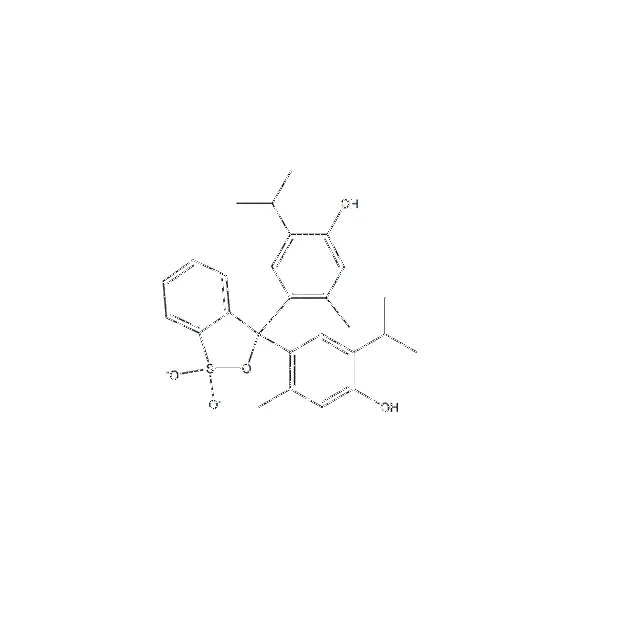
Thymol Blue
Odor; yellow in ethanol, blue in dilute alkali, insoluble in water; maximum absorption wavelength 594 (376) NM
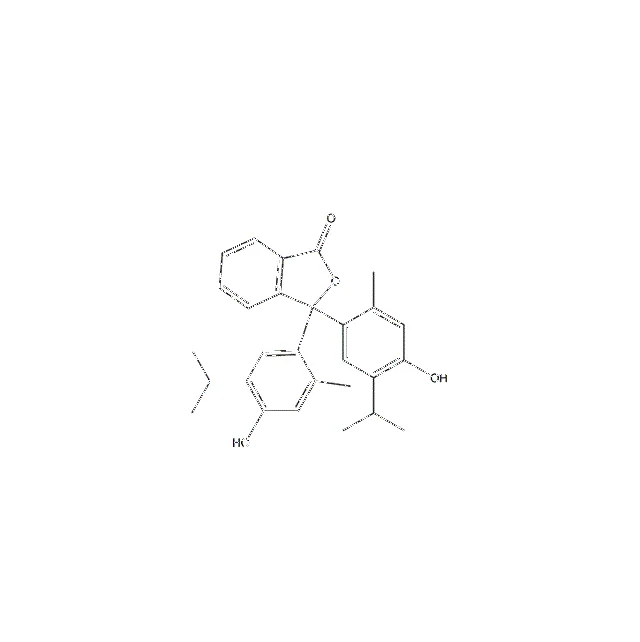
Thymolphthalein
White crystalline powder. Soluble in ether, acetone, sulfuric acid and alkali solution, insoluble in water. It is often used as an indicator of acid and alkali, with a pH change range of 9.4-10.6 and a color change from colorless to blue. It is often used to prepare 0.1% 90% ethanol solution. It is also often combined with other indicators to form a gentle indicator, making its color change range narrower and observation clearer.