

Herbicides Farm Chemicals (71)
Showing 13–24 of 71 products · Page 2 of 6
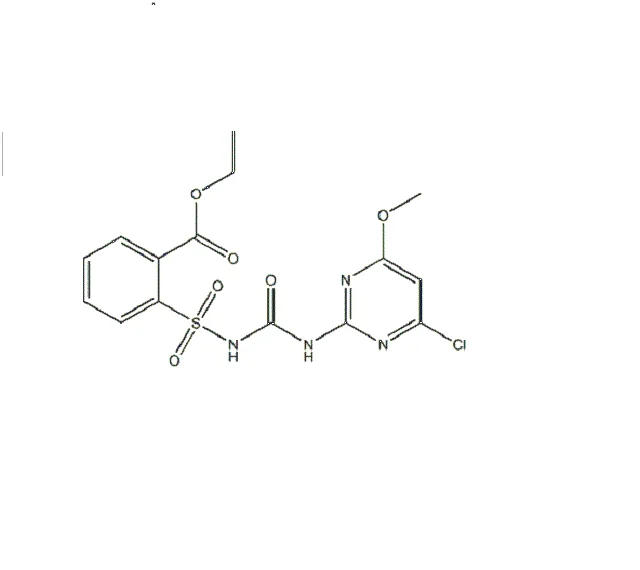
Chlorimuron-ethyl
Chlorimuron-ethyl is a kind of post-emergence, foliar applied herbicide which is used without the EU regulatory approval. As an herbicide belonging to the sulfonylurea family, it is commonly used to control the weeds associated with wheat, rice, soybean, barley, potato, and corn. It has advantages of being broad-spectrum, having low use rate, having good crop selectivity as well as being of low toxicity to animals. Its mechanism of action is through suppressing the plant- and microbial-specific enzyme acetolactate synthase (ALS), further blocking the biosynthesis of branched-chain amino acids such as valine, leucine and isoleucine. Through this mechanism, it cause rapid cessation of plant cell division and growth.
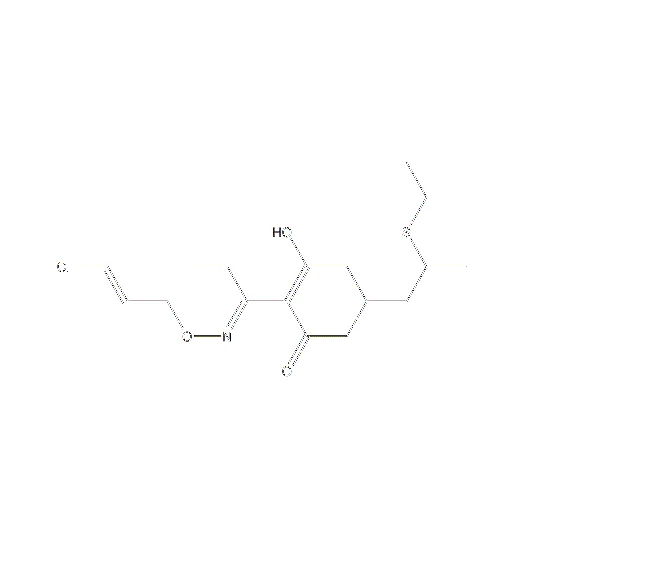
Clethodim
Clethodim is a post-emergence herbicide with the high selectivity and the internal absorption function of the stem, also is a leaf treatment agent. For a variety of annual weed control and multiple gramineous. The annual gramineous weeds should be 3 ~ 5 leaf stage of spraying, perennial grasses should after leaf spraying. Such as soybean, peanut, rapeseed, cotton, linen, tobacco, a variety of leafy vegetables, grapes, oranges, apples and other plantations in gramineous weeds second leaf to tillering stage could be application. For control of barnyard grass, wild oats, Setaria viridis, Digitaria Sanguinalis, Eleusine indica, see annual gramineous weeds in Mai Niang, Echinochloa crusgalli, thousands of gold, an appropriate increase in the dosage can control Imperata cylindrica, Arab sorghum, Cynodon dactylon perennial weeds and some resistance strong annual gramineous miscellaneous grass. For soybean field weeds using 24% EC 408 ~ 600mL/hm2, the stem and leaf water spray. If the non drug spraying period, to increase the number of spraying or increase the dosage.
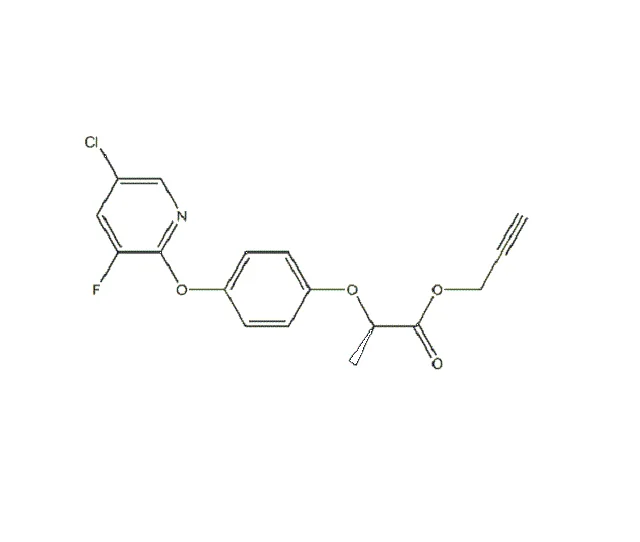
Clodinafop-propargyl
We can customize according to customer's requirement,
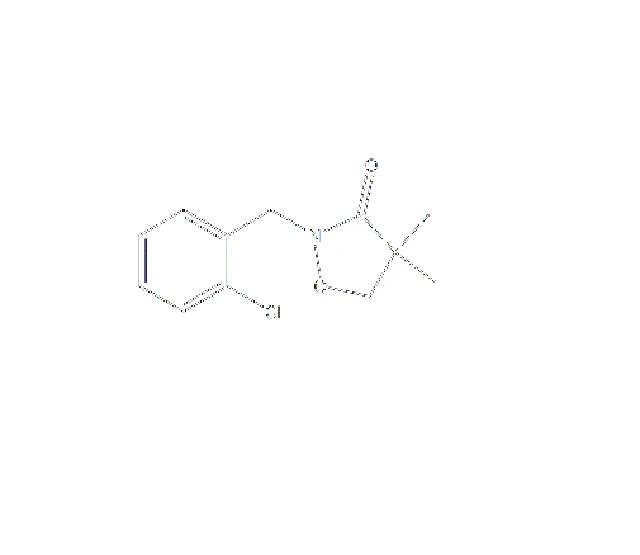
Clomazone
is a kind of pigment inhibit before bud herbicide.
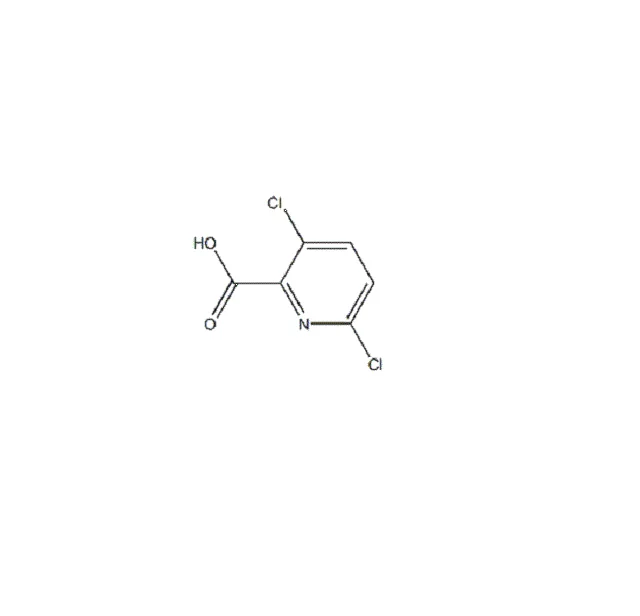
Clopyralid
is a kind of artificial plant growth hormone.Its chemical structure and a lot of natural plant growth hormones are similar, but in the plant tissues has better durability. It is mainly absorbed by plant roots and leaves and then conduction inside the plant, so its conduction performance is stronger. To weed after applying pesticide, it is absorbed by plant leaves or roots, and quickly move up and down the conduction in the plant to the whole plant. Low concentration of chlorine pyridine acid can stimulate plant DNA, RNA and protein synthesis leading to cell division and disorderly growth out of control, and finally lead to bundle are destroyed; A high concentration of dichloro pyridine acid can inhibit cell division and growth.
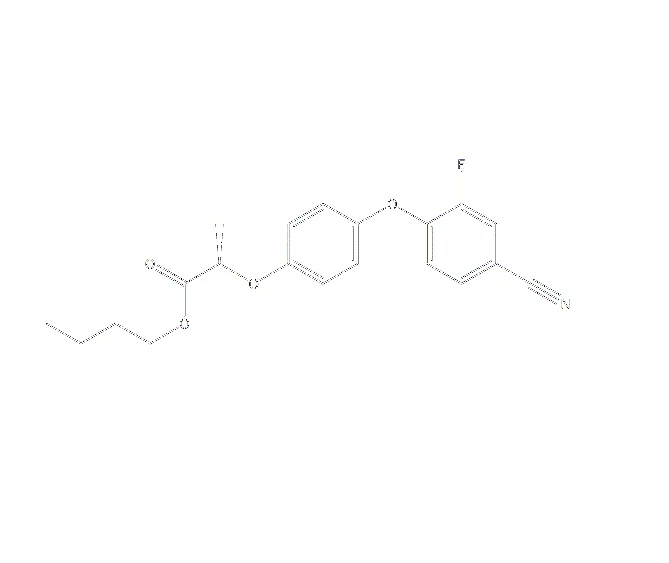
Cyhalofop-butyl
Contact MOSINTER for product specifications and supply information.
DPX-T5648
Used to control annual and perennial grasses and broadleaf weeds on landscapes, rights-of-ways, fence rows, forests, industrial structure areas and non-crop land.
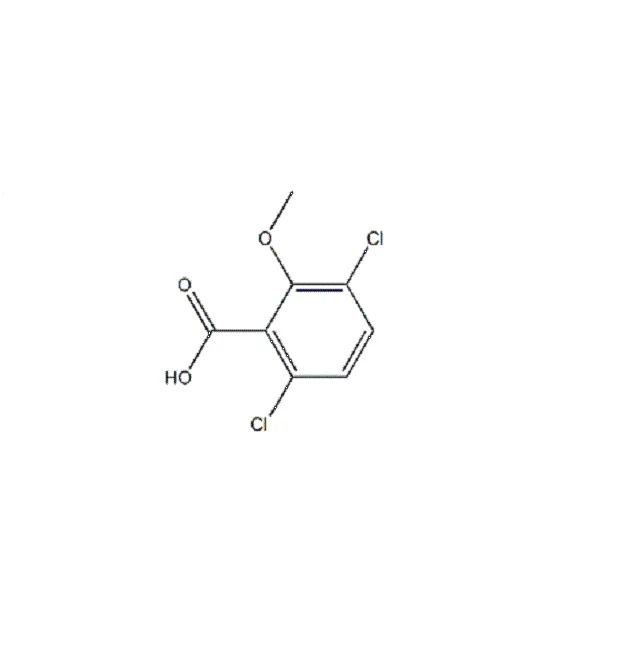
Dicamba
belongs to the department of benzoic acid herbicides, have uptake conduction effect, has the significant control effect on the annual and perennial broadleaf weeds.
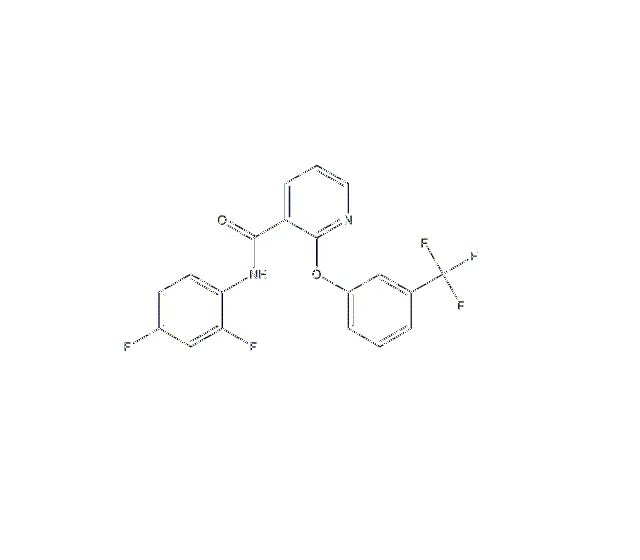
Diflufenican
The diflufenican is a selective contact and residual herbicide that can be applied pre-emergence and post-emergence. It can be absorbed through the shoots of the germinating seeding with limited translocation. Its mode of mechanism is via a bleaching action through inhibiting the carotenoid biosynthesis process, further blocking photosynthesis process and causing plant death. It is used for the treatment of some broad leaved weeds such as Stellaria media (Chickweed), Veronica Spp (Speedwell), Viola spp, Geranium spp (Cranesbill) and Laminum spp (Dead nettles). It has been approved for use on barley, durum wheat, rye, triticale and wheat. It can be used in combination with isoproturon or other cereal herbicides.
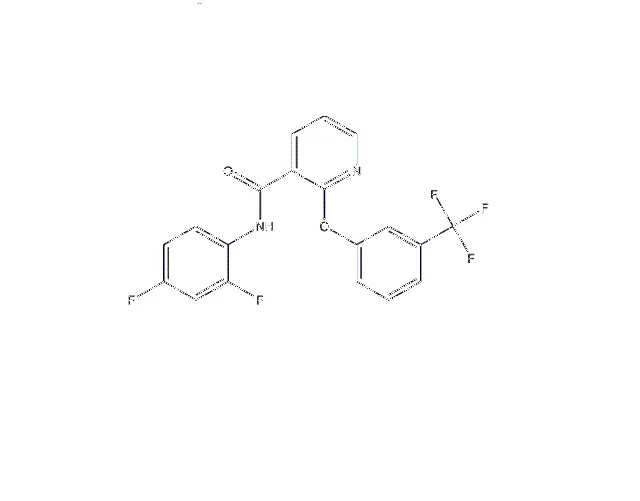
Difufenican
The diflufenican is a selective contact and residual herbicide that can be applied pre-emergence and post-emergence. It can be absorbed through the shoots of the germinating seeding with limited translocation. Its mode of mechanism is via a bleaching action through inhibiting the carotenoid biosynthesis process, further blocking photosynthesis process and causing plant death. It is used for the treatment of some broad leaved weeds such as Stellaria media (Chickweed), Veronica Spp (Speedwell), Viola spp, Geranium spp (Cranesbill) and Laminum spp (Dead nettles). It has been approved for use on barley, durum wheat, rye, triticale and wheat. It can be used in combination with isoproturon or other cereal herbicides.
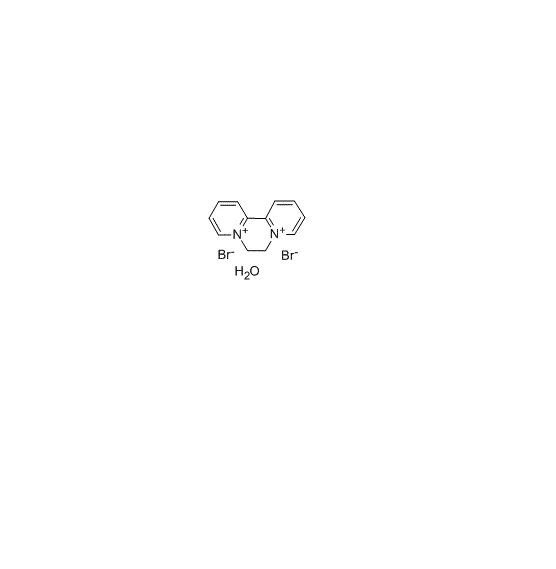
Diquat Dibromide Monohydrate
Synonyms: 6,7-dihydrodipyrido[1,2-a:2',1'-c]pyrazinediium dibromide monohydrate; 6,7-dihydrodipyrido[1,2-a:2',1'-c]pyrazinediium dibromide; 6,7-dihydrodipyrido[1,2-a:2',1'-c]pyrazinediium bromide hydrate (1:2:1)