

Herbicides Farm Chemicals (71)
Showing 25–36 of 71 products · Page 3 of 6
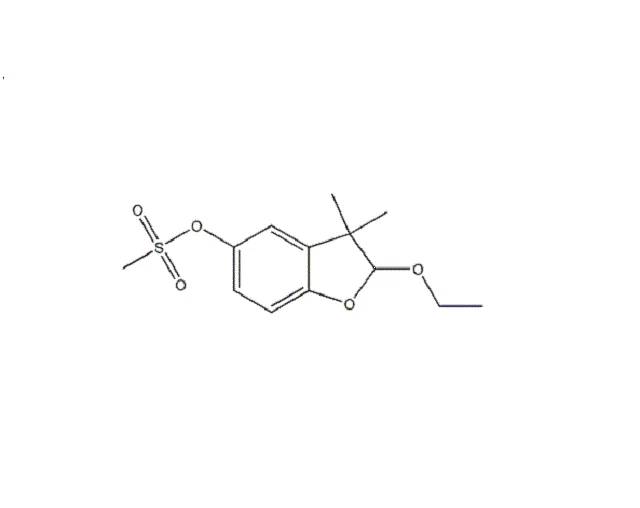
Ethofumesate
Application:After before bud bud herbicide. With 1.0 ~ 2.0 kg/ha (A.I.) dose; Herbicide, beet, sod, ryegrass and other pastures in the weeds. This product can effectively control many important gramineae and broadleaf weeds and longer its effect in the soil. Dosage of sugar beet in 1.0 ~ 3.0 kg/ha, but cefuroxime straw colour with other beet with the tag type mixed herbicides barrel recommended dosage is 0.5 ~ 2.0 kg/ha of strawberry, sunflower and tobacco based on different periods of administer the drug has good tolerance. The resistance of medium of onion.
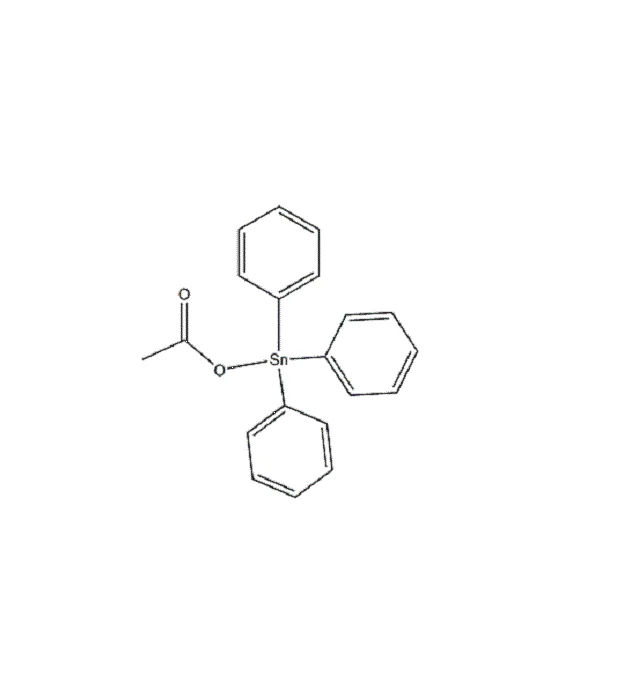
Fentin Acetate
Triphenyltin Acetate is an organotin compound. Triphenyltin Acetate much like its hydroxide analogue is used as a fungicide and antifeeding compound for insect control. Recent studies show that Triphenyltin Acetate may have adverse effects on the reproductive and immune systems and may disrupt the endocrine system.
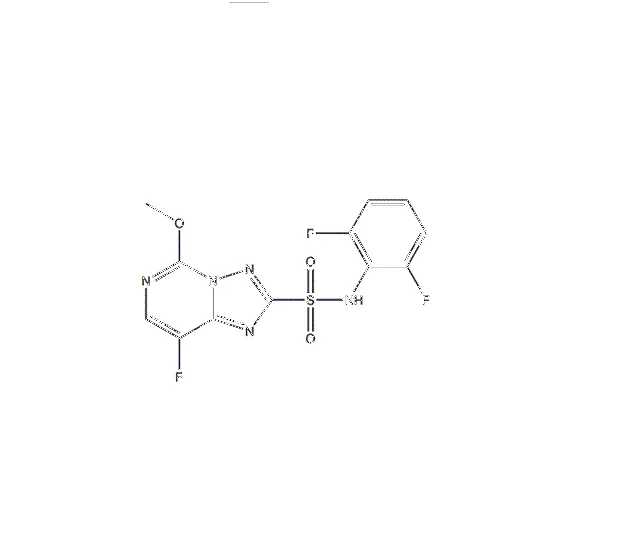
Florasulam
is a triazole and pyrimidine sulfonamide herbicide
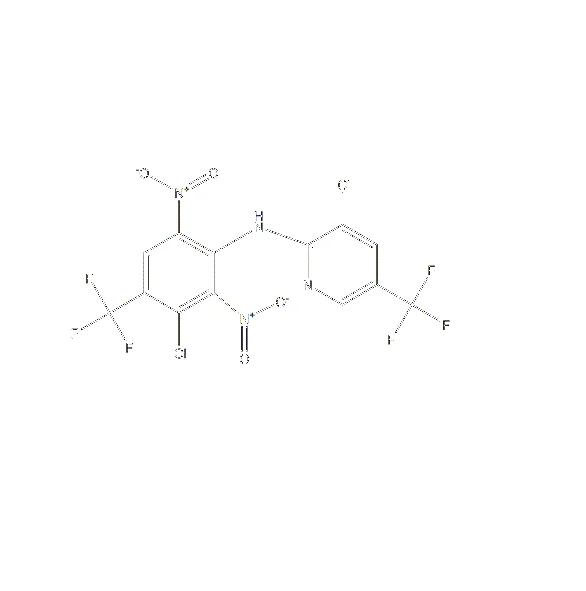
Fluazinam
Fluazinam is a protectant fungicide, but is neither systemic or curative. It acts by inhibiting the germination of spores and the development of infection structures. Although it has activity against many fungi, it is less potent against rusts and powdery mildew and as such has not been commercialised for use in cereal crops. It is widely used to control late blight (P. infestans) in potato due to its activity against the zoospores of the pathogen which makes it particularly effective at controlling infection of the potato tubers. Despite its common usage to control late blight, there are no reports of resistance to fluazinam appearing in P. infestans. Fluazinam is also used to control Sclerotinia on peanuts and turf, Botrytis on grapes and beans and clubroot in brassicas.
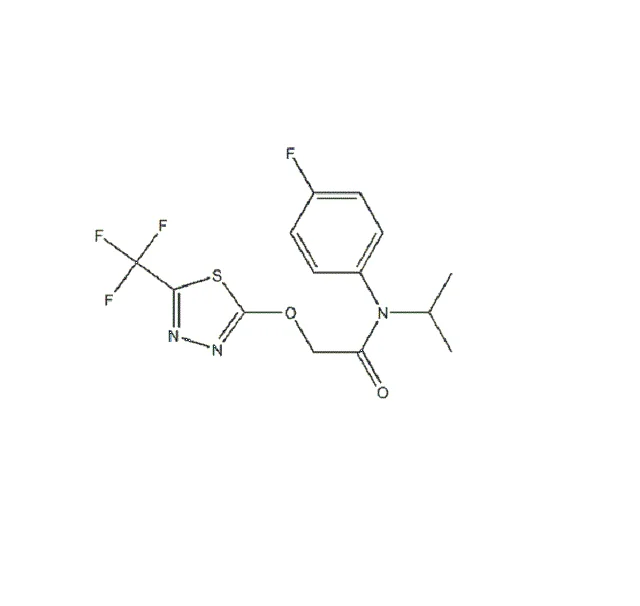
Flufenacet
Contact MOSINTER for product specifications and supply information.
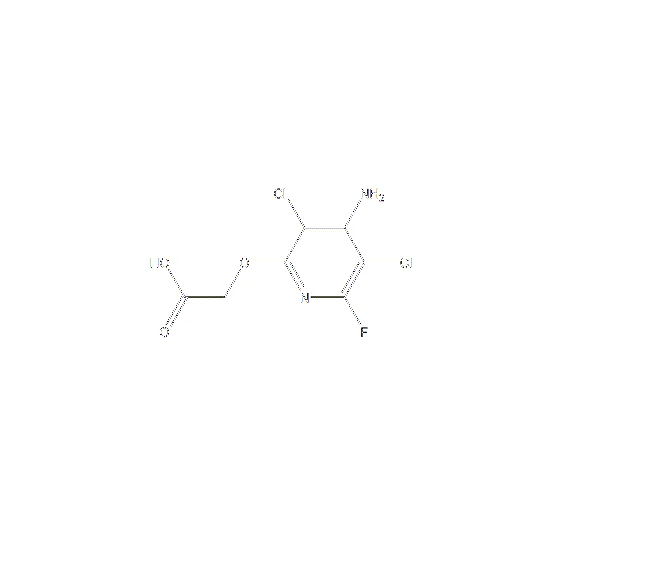
Fluroxypyr
Fluroxypyr is an herbicide in the class of synthetic auxins. It is used to control broadleaf weeds and woody brush. It is formulated as the 1-methylheptyl ester (fluroxypyr-MHE)
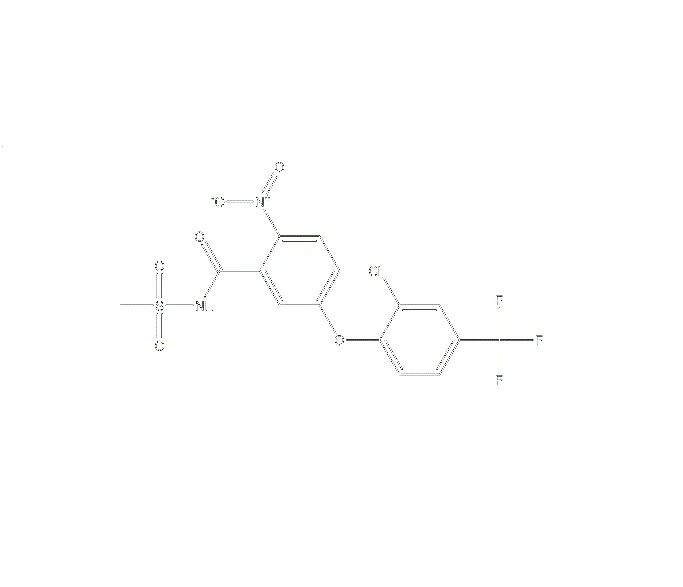
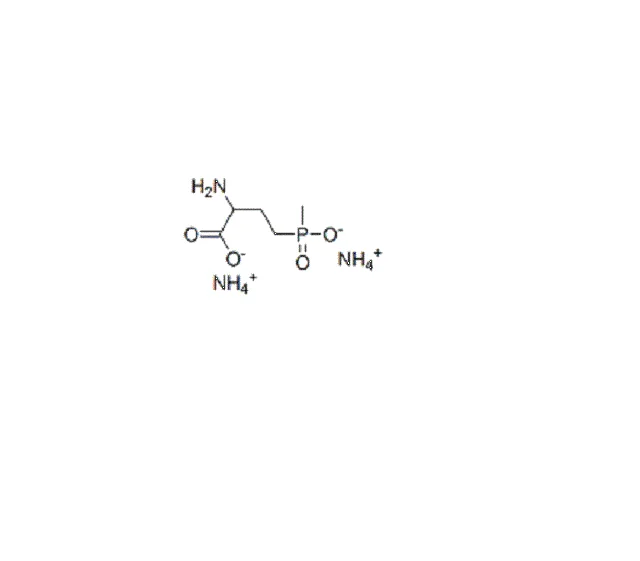
Glufosinate
Application: Organophosphorus herbicide, glutamine synthesis inhibitor, nonselective herbicide tag.
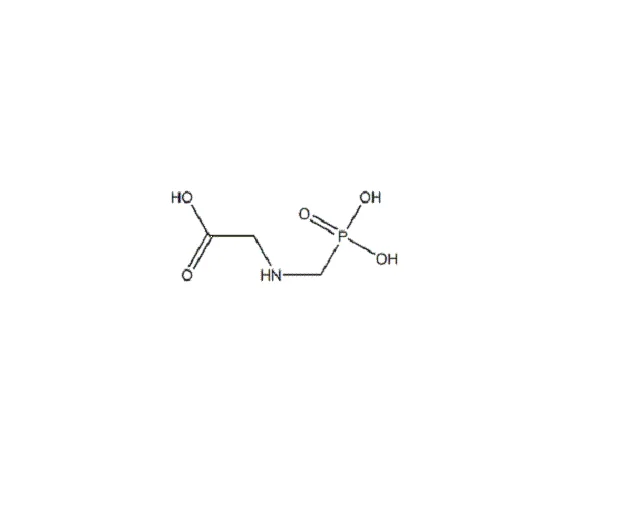
Glyphosate
is a kind of non-selective, no residual sterilant herbicides, root weeds is very effective for many years, is widely used in rubber, orchards, mulberry, tea and sugar cane.
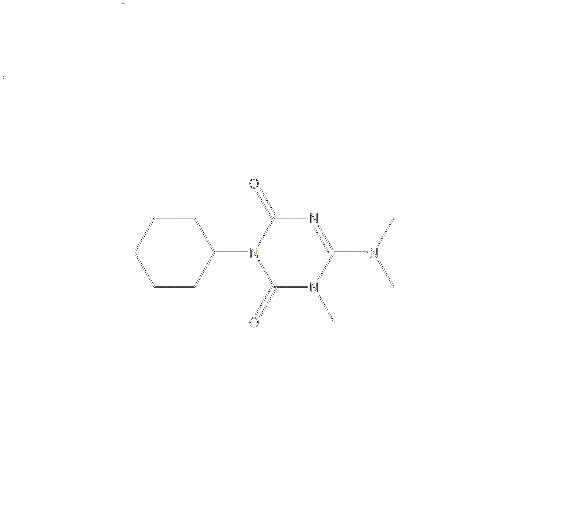
Hexazione
It is post-emergent tag herbicide, inhibiting photosynthesis crop plants. The spectrum of weed andshrub killing a wide spectrum and strong virulence, long lasting effect, for evergreen coniferous forest, such as Pinus koraiensis, Pinus sylvestris and Picea and Pinus massoniana young forest tending, before the planting of weed killing irrigation, maintenance and creation of forest fire and forest soil improvement etc., used in oil, machine field, the roadon both sides of the weed killing irrigation. Control of Setaria viridis, Filipendula, Qin, sheep Hu sedge, Elsholtzia, reed, Calamagrostis angustifolia,the narrow mountain song, fern, clematis, round leaf speedwell, Cephalanoplos segetum, wild oats, Polygonum, millet, quinoa, etc..
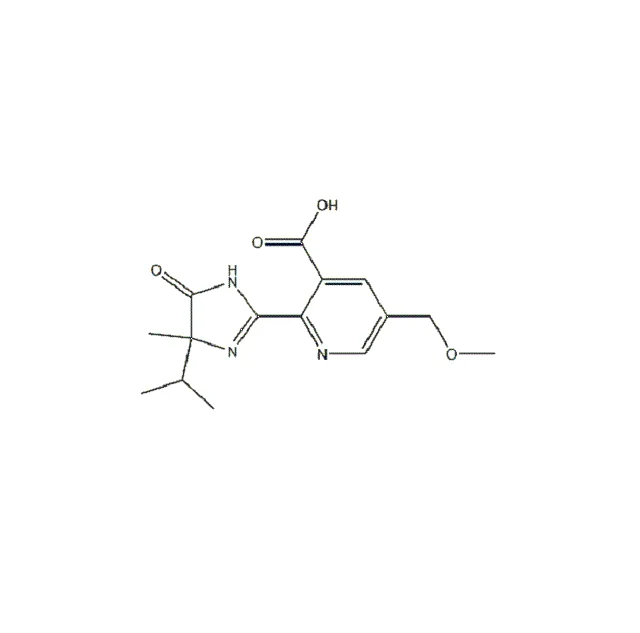
Imazamox
Imazamox (2-[4,5-dihydro-4-methyl-4-(1-methylethyl)-5-oxo-1H-imidazol-2-yl]-5- (methoxymethyl)-3-pyridinecarboxylic acid) is a systemic herbicide that moves throughout the plant tissue and prevents plants from producing a necessary enzyme, acetolactate synthase (ALS), which is not found in animals. Susceptible plants will stop growing soon after treatment, but plant death and decomposition will occur over several weeks.
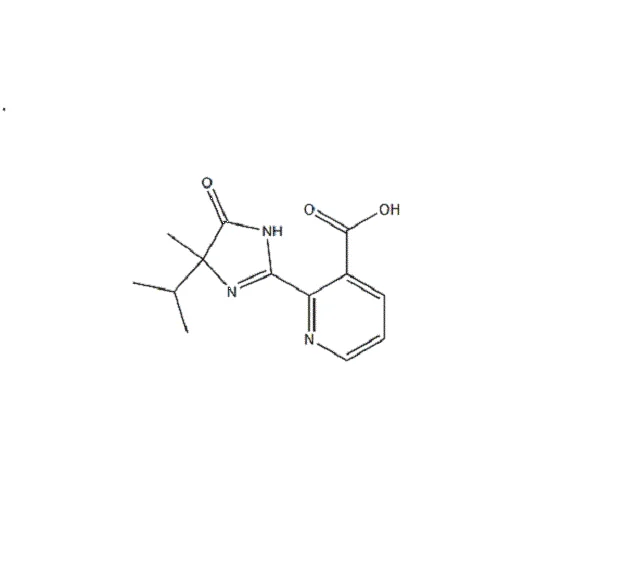
Imazapyr Acid
Imazapyr is a non-selective herbicide used for the control of a broad range of weeds including terrestrial annual and perennial grasses and broadleaved herbs, woody species, and riparian and emergent aquatic species. It is used to eliminate Lithocarpus densiflorus (Tan Oak) and Arbutus menziesii (Pacific Madrone).