


Veterinary Medicine API (35)
Showing 1–12 of 35 products · Page 1 of 3
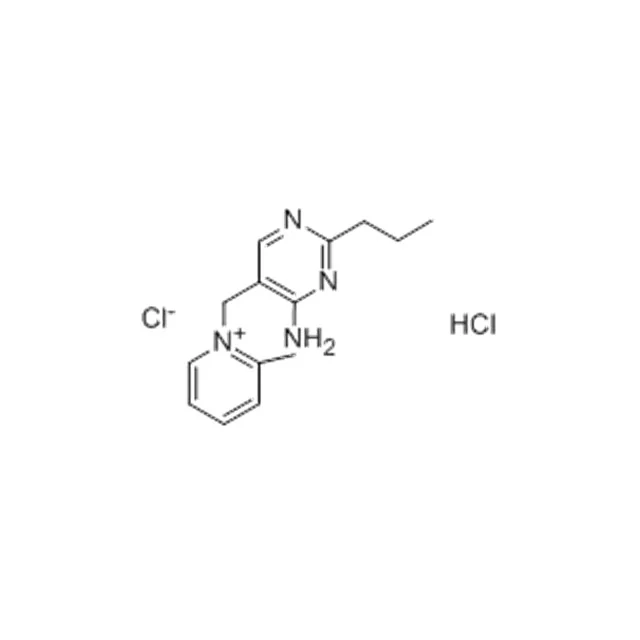
Amprolium Hydrochloride
Amprolium (INN, trade names Amprovine, Amprolium, Amprol, Anticoccid) is a coccidiostat used in poultry.The drug is a thiamine analogue and blocks the thiamine transporter of Eimeria species. By blocking thiamine uptake it prevents carbohydrate synthesis.Traditional anticoccidial medicine. Effect, residual less, but is contraindicated in laying hens.
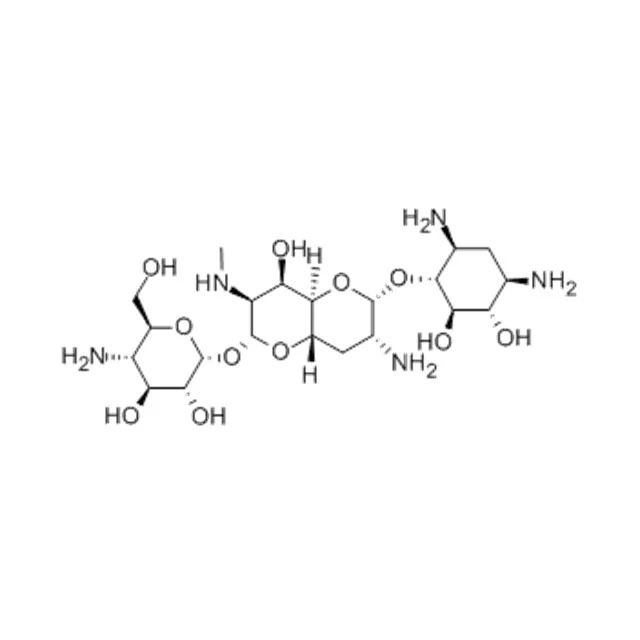
Apramycin
Apramycin (also Nebramycin II) is an aminoglycoside antibiotic used in veterinary medicine. It is produced by Streptomyces tenebrarius. Apramycin is used for the treatment of bacterial infections in animals. Apramycin can be used to treat bacterial infections in animals caused by Escherichia coli, Klebsiella pneumoniae, and Pseudomonas aeruginosa.
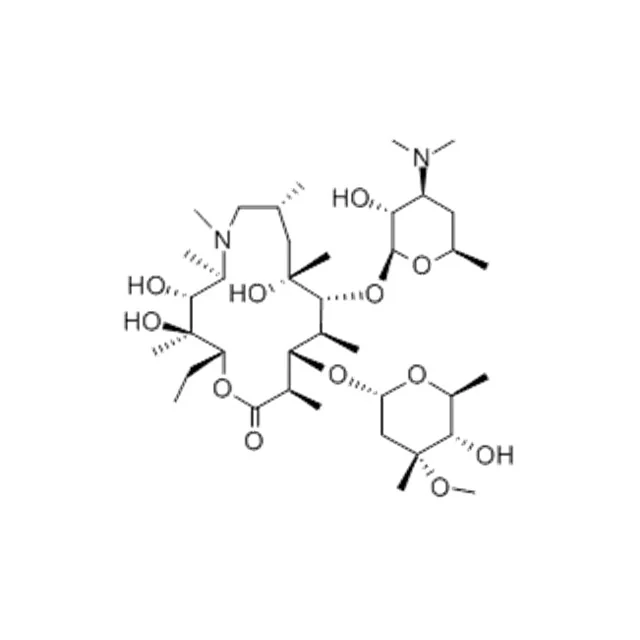
Azithromycin
Azithromycin is used to treat or prevent certain bacterial infections, most often those causing middle ear infections, strep throat, pneumonia, typhoid, and sinusitis; It has been used primarily to prevent bacterial infections in infants and those with weaker immune system. It is also effective against certain sexually transmitted infections, such as non-gonococcal urethritis, chlamydia, and cervicitis.
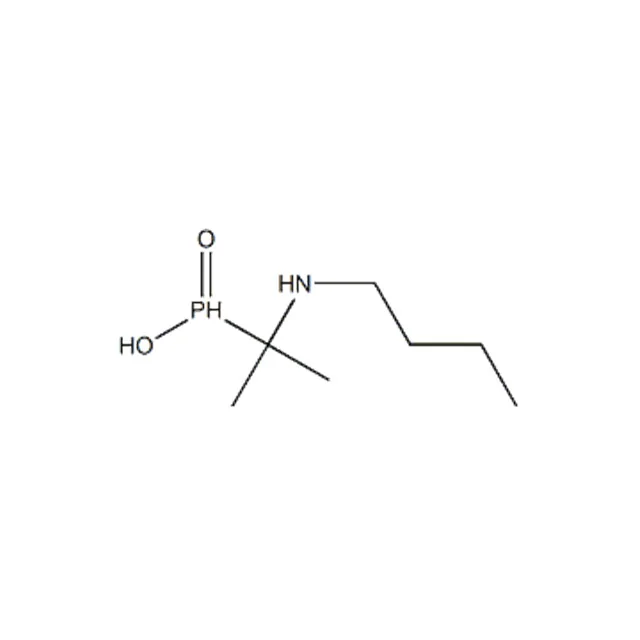
Butafosfan
Butafosfan, a component of Catosal, is licensed for the treatment of metabolic disorders or as a tonic in swine. It is veterinary drug materials, the main components of an effective organophosphorus supplement, promote liver function, help the muscle transport system to restore fatigue, reduce stress response, stimulate appetite, and promote non specific immune function; simple physical stimulation model, no residue in the body, no side effects.
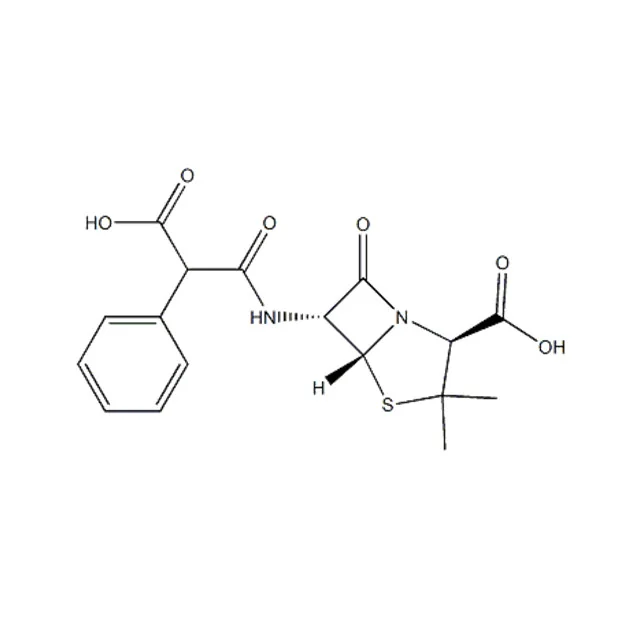
Carbenicillin
Carbenicillin is a bactericidal antibiotic belonging to the carboxypenicillin subgroup of the penicillins. This product is a broad-spectrum penicillin antibiotics, by inhibiting bacterial cell wall synthesis play a bactericidal effect. Escherichia coli, Enterobacteriaceae Proteus, Enterobacter, citrate spp, Salmonella and Shigella, as well as Pseudomonas aeruginosa, Haemophilus influenzae, Neisseria other Gram-negative bacteria have antibacterial effect. Hemolytic streptococcus, Streptococcus pneumoniae and non-penicillinase-producing staphylococci with antibacterial activity. Mainly suitable for systemic Pseudomonas aeruginosa infection, such as sepsis, urinary tract infections, respiratory tract infections, abdominal, pelvic infections, and skin and soft tissue infections, can also be used for other sensitive Enterobacteriaceae bacteria that cause systemic infections.
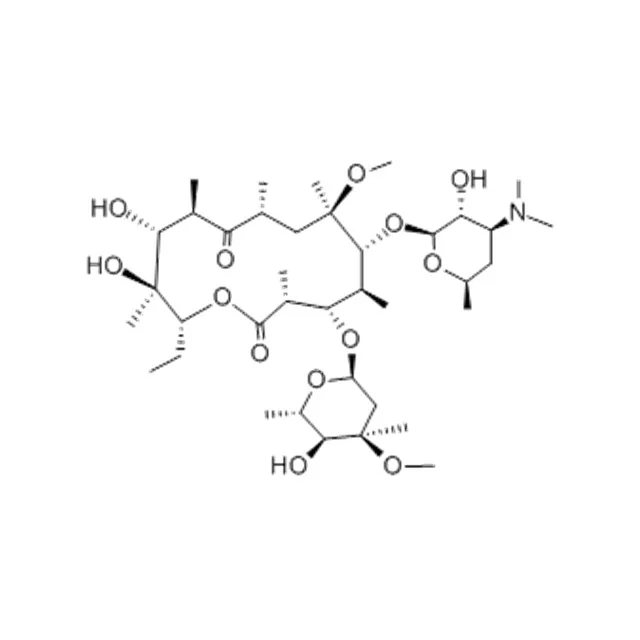
Clarithromycin
Clarithromycin, sold under the brand name Biaxin, is an antibiotic used to treat various bacterial infections.This includes strep throat, pneumonia, skin infections, H. pylori infection, and Lyme disease, among others. Clarithromycin can be taken by mouth as a pill or liquid. Common side effects include nausea, vomiting, headaches, and diarrhea. Severe allergic reactions are rare.Liver problems have been reported. It may cause harm if taken during pregnancy. It is in the macrolide class and works by decreasing protein production of some bacteria.
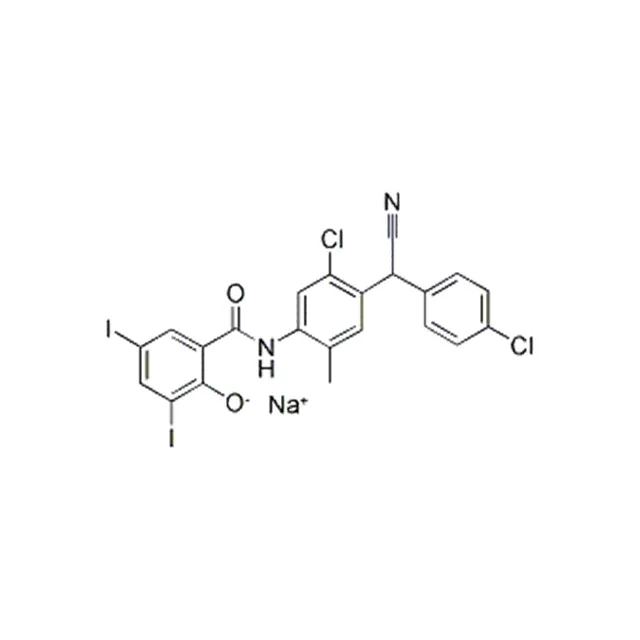
Closantel Sodium
Closantel sodium is a broad-spectrum insect repellent, which has good effect on the larva of various kinds ofnematode and arthropods. Its anti - absorption insect repellent activity is mainly aimed at the liver - schistosomiasis, and killing larvae of nematodes and arthropods are mainly targeted at various types of insects that use blood or plasma.Closantel sodium is a kind of strong oxidative phosphoric acid dissolving the coupling agent, which can inhibit phosphorylation process of mitochondria, so as to prevent insect body adenosine triphosphate (ATP) synthesis, leading to an insect physical metabolism vigor decrease rapidly and finally to death.
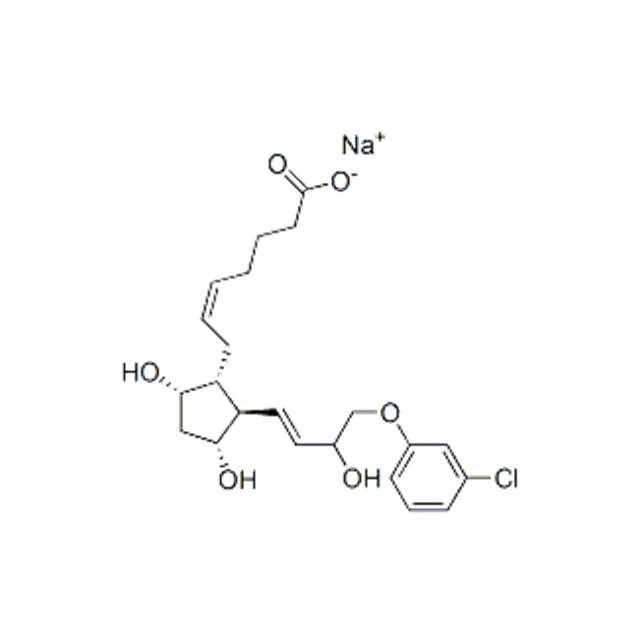
D Cloprostenol Sodium
Cloprostenol sodium is a synthetic analogue of dinoprost (prostaglandin F2a). It is used as a luteolytic agent in veterinary medicine. Many animal producers are using cloprostenol sodium to shorten cycle or induce animal to come into heat period. Cloprostenol sodium can help animal producers improve production efficiency and economic returns.
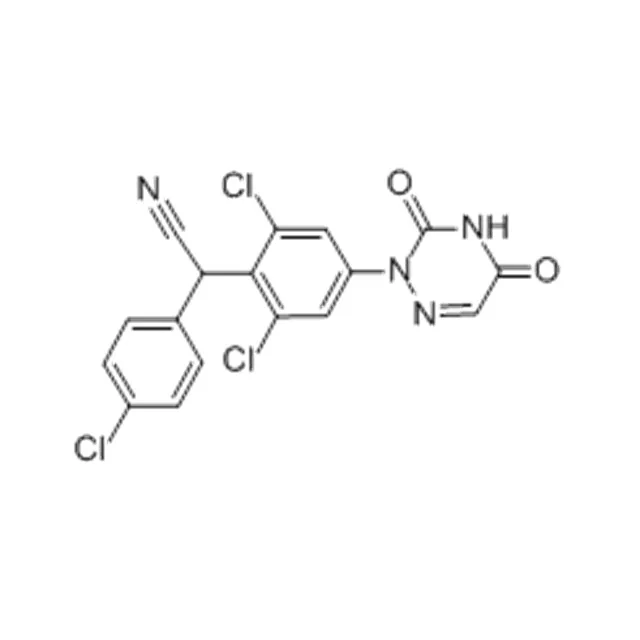
Diclazuril
As a kind of new-type, Diclazuril is a kind of high-efficiency and low-toxicity anti-coccidiosis additive. Diclazuril is widely used for chicken coccidiosis disease. It can reach the peak effect on coccidiosis. It has reliable destroying and inhibiting effect to all kinds of coccidial.
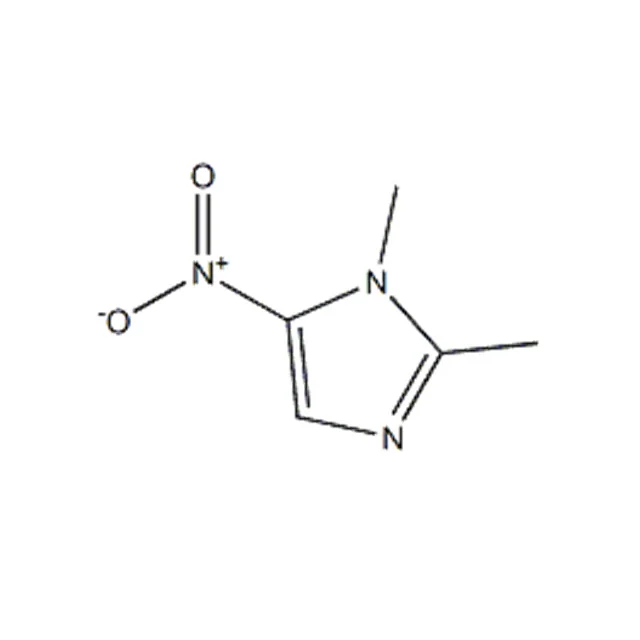
Dimetridazole
Dimetridazole is a drug that combats protozoan infections. It is a nitroimidazole class drug. Dimetridazole is a protozoan such as trichomonas, trichomonas vaginalis, colonic pouch, and flagellate, and bacteria such as Neisseria arrhythmias, Clostridium, Staphylococcus aureus, Vibrio cholerae, and Treponema pallidum. It has a significant inhibitory effect and is an effective drug for the treatment of turkey blackhead disease and pig red peony. Dimetridazole can also be used as a growth promoter to promote pig and chicken production and increase feed conversion. When dimetridazole is used as a feed additive, the product is first premixed with 10-20 times the feed amount during feed processing, and then uniformly mixed with the total amount of feed required. Or first mix dimetridazole with an appropriate amount of carrier, then add to the feed and stir. Granulation and other processes have no effect on the efficacy of this product when processing compound feed. Dimetridazole can be mixed into the feed, or added to drinking water for drinking by livestock and poultry.
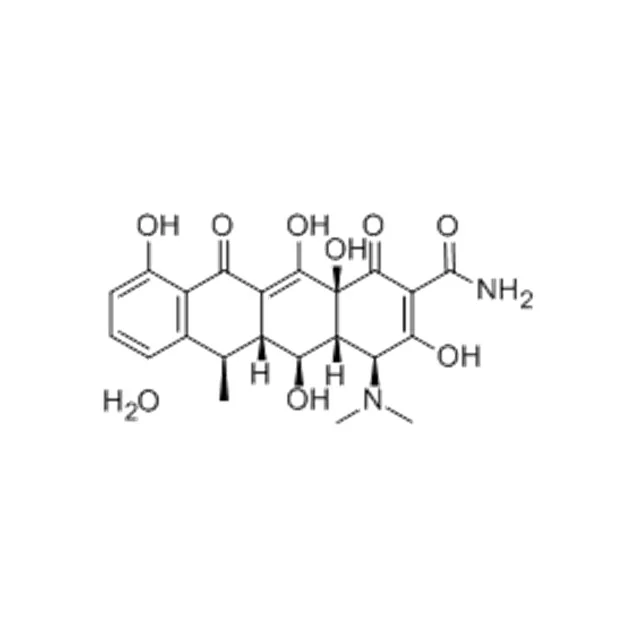
Doxycycline Monohydrate
Doxycycline is an antibiotic that is used in the treatment of a number of types of infections caused by bacteria and protozoa. It is useful for bacterial pneumonia, acne, chlamydia infections, early Lyme disease, cholera and syphilis. It is also useful for the treatment of malaria when used with quinine and for the prevention of malaria. Doxycycline can be used either by mouth or intravenously.
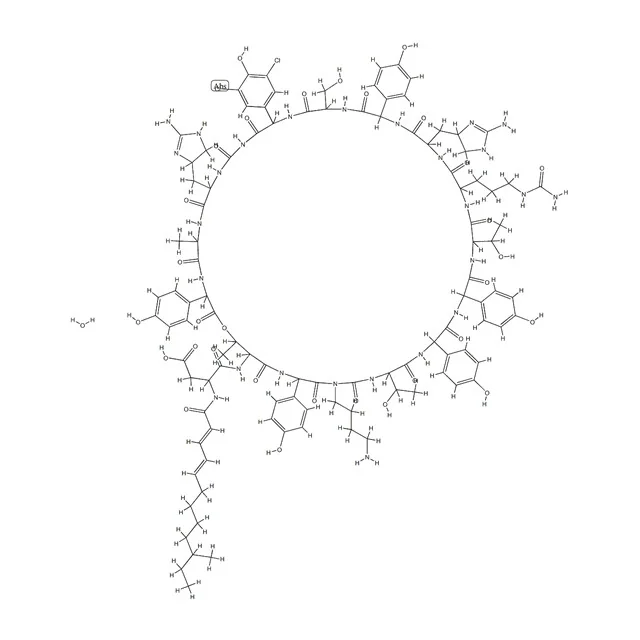
Enramycin
Enramycin or Enduracidin is a polypeptide antibiotic produced by Streptomyces fungicidus. Enramycin is widely used as a feed additive for pigs and chickens to prevent necrotic enteritis induced by Gram-positive gut pathogens. Enramycin acts as an inhibitor of the enzyme, MurG, which is essential for cell wall biosynthesis in Gram-positive bacteria. MurG catalyzes the transglycosylation reaction in the last step of peptidoglycan biosynthesis. Inhibiting this step greatly compromises cell wall integrity leading to cell lysis.