


Veterinary Medicine API (35)
Showing 25–35 of 35 products · Page 3 of 3
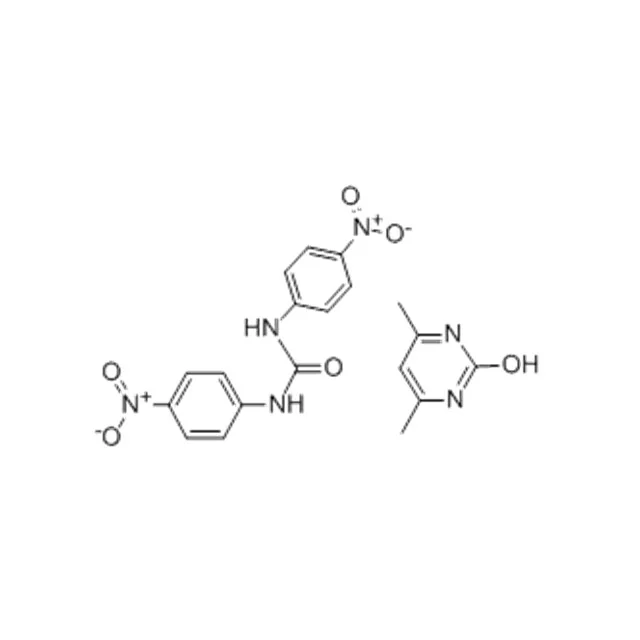
Nicarbazine
Nicarbazine is a broad spectrum coccidiostat. Its inhibitory action occurs on second-generation schizonts(day 4 in the life cycle) ,so it does not easily develop resistance. It has been approved for prevention and control of coccidiosis in many countries.
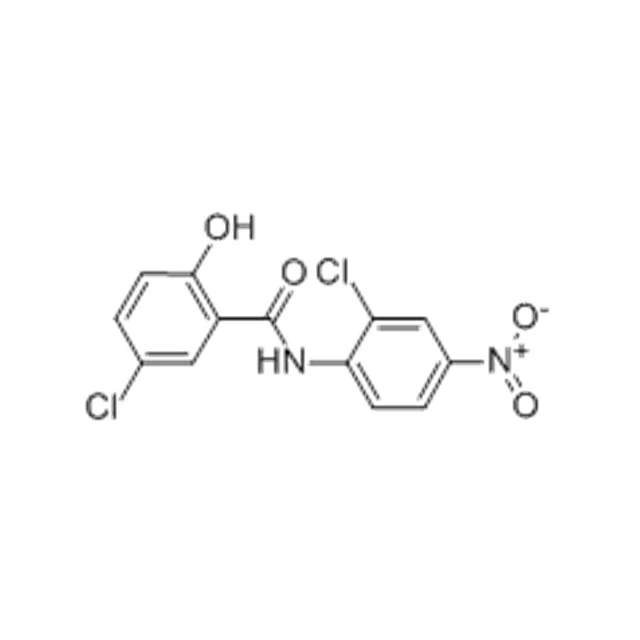
Niclosamide
Niclosamide (trade name Niclocide) is a teniacide in the anthelmintic family especially effective against cestodes that infect humans and many other animals. It is a salicylanilide compound (5-chloro-N-(2-chloro-4-nitrophenyl)-2-hydrobenzamide) also used as a piscicide.
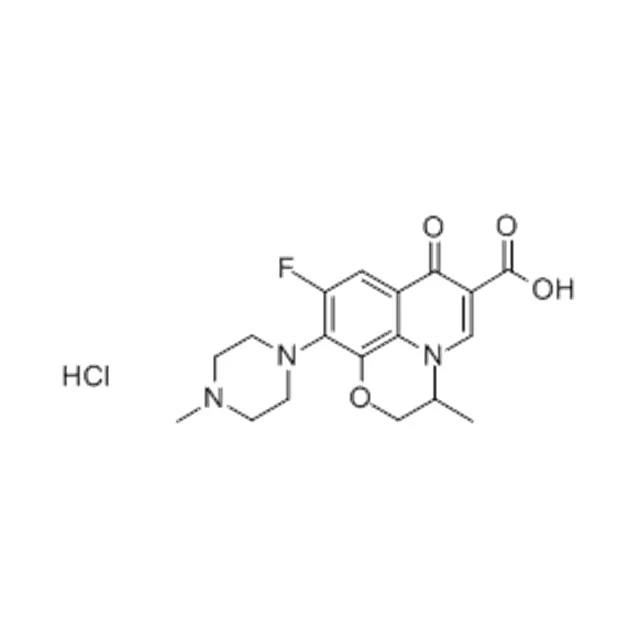
Ofloxacin Hydrochloride
Ofloxacin is used to treat infections including: respiratory tract infections,cellulitis,urinary tract infections,prostatitis, anthrax,endocarditis,meningitis,pelvic inflammatory disease,traveler's diarrhea,tuberculosis andplague.
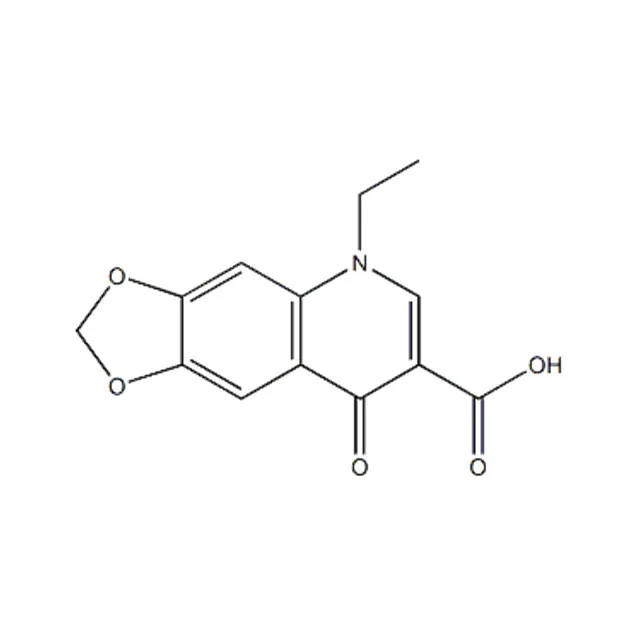
Oxolinic Acid
Oxolinic acid is a quinolone antibiotic developed.it is used for rice seed treatment, called NanZhiBing harm valley dry bacterial disease of rice (miao rot) first microbicides with effective cleansing. Caused by the agent before planting the seed treatment, can inhibit the valley dry bacterial disease seedling occurrence of corruption, and then a robust seedlings after transplanting Honda, can prevent the occurrence of valley dry bacterial disease. Mechanism of gram negative energy has a wide range of antibacterial activity, but weaker activity of gram positive bacteria, inactive against fungi. By inhibiting the synthesis of DNA, which hindered the germs, division and proliferation. In bacteria bacterium in the body, for the super curly structure of DNA into reverse super curly enzyme, the agent can be combined with the enzyme subgroup A, making it function in depressed and make the DNA could not be copied, death soon.
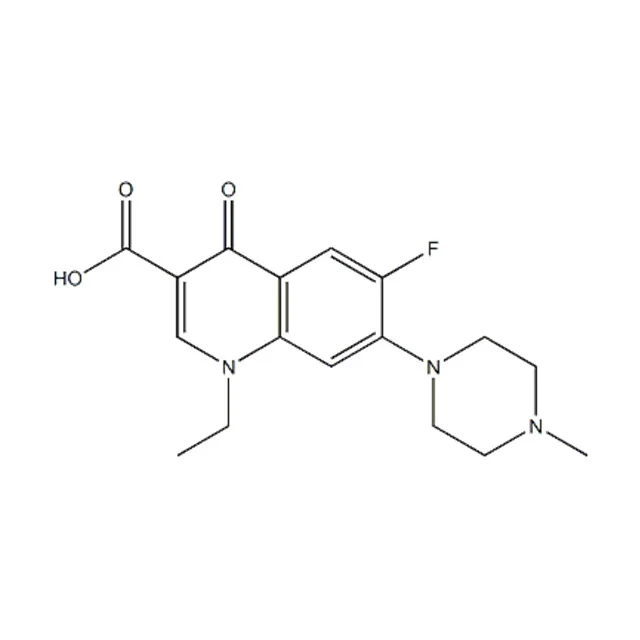
Pefloxacin
Pefloxacin is a quinolone drug used to treat bacterial infections. Pefloxacin is a broad-spectrum antibiotic that is active against both Gram-positive and Gram-negative bacteria. It functions by inhibiting DNA gyrase, a type II topoisomerase, and topoisomerase IV, which is an enzyme necessary to separate, replicated DNA, thereby inhibiting cell division.
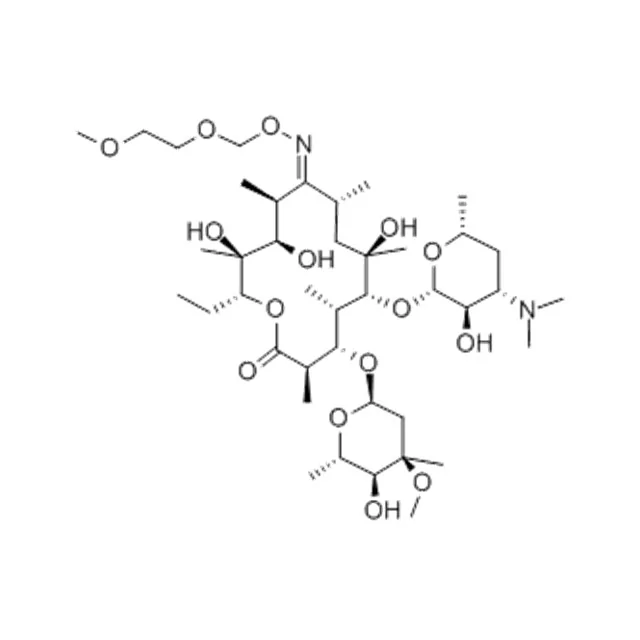
Roxithromycin
Roxithromycin is a semi-synthetic macrolide antibiotic. It is used to treat respiratory tract, urinary and soft tissue infections.Roxithromycin has also been tested to possess antimalarial activity.
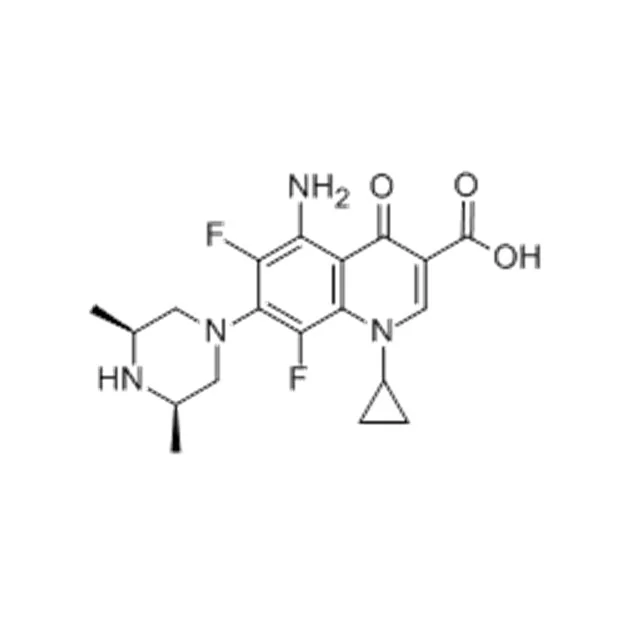
Sparfloxacin
Sparfloxacin (spar FLOX a sin), trade names Spacin in Bangladesh, Zagam and Zagam Respipac, is a fluoroquinolone antibiotic used in the treatment of bacterial infections. The compound is indicated for treating community-acquired lower respiratory tract infections (acute sinusitis, exacerbations of chronic bronchitis caused by susceptible bacteria, community-acquired pneumonia). Sparfloxacin, like other quinolones and fluoroquinolones, are bactericidal medicine, actively killing bacteria. Quinolones inhibit the bacterial DNA gyrase or the topoisomerase IV enzyme, thereby inhibiting DNA replication and transcription. Quinolones can enter cells easily and therefore are often used to treat intracellular pathogens such as Legionella pneumophila and Mycoplasma pneumoniae. For many gram-negative bacteria DNA gyrase is the target, whereas topoisomerase IV is the target for many gram-positive bacteria. Eukaryotic cells do not contain DNA gyrase or topoisomerase IV.
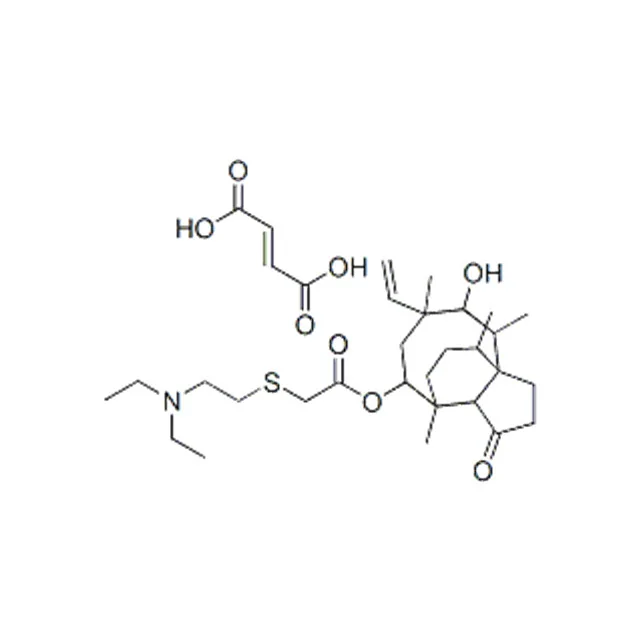
Tiamulin Fumarate
Tiamulin is a semi-synthetic derivative of Pleuromutilin. It is highly active against gram-positive organisms such as streptococci, staphylococci and against mycoplasmas and serpulina (Treponema) hyodysenteriae. A number of Shigella, Klebsiella and E.coli are also quite susceptible to this agent. Some anaerobic species including Bacteroides fragilis and Clostridium perfringens with no exception are sensitive to tiamulin. Tiamulin acts bacteriostatically. The biochemical basis for the antibacterial action is inhibition of protein synthesis, by binding to 70S ribosomes.
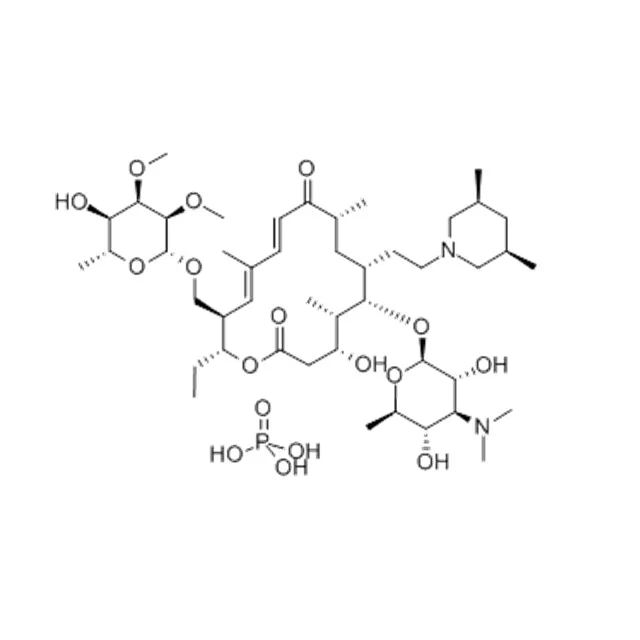
Tilmicosin Phosphate
Tilmicosin is a macrolide antibiotic. It is used in veterinary medicine for the treatment of bovine respiratory disease and ovine respiratory disease associated with Mannheimia (Pasteurella) haemolytica.
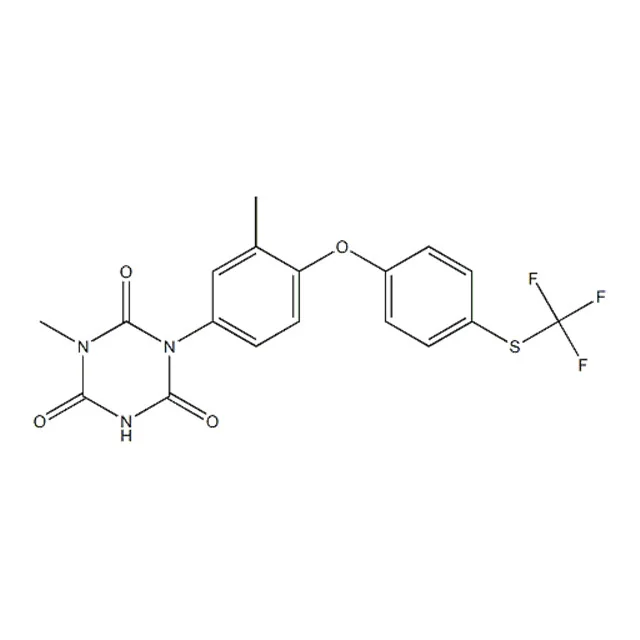
Toltrazuril
Toltrazuril is a broad-spectrum anthelmintic for humans and animals. It works by interfering with proteins in either the worm's intestine or absorptive cells. This leads to the worm not being able to absorb sugar (glucose), which are essential for its survival. Therefore the energy stores of the worm are depleted, and this leads to its eventual death within several days.
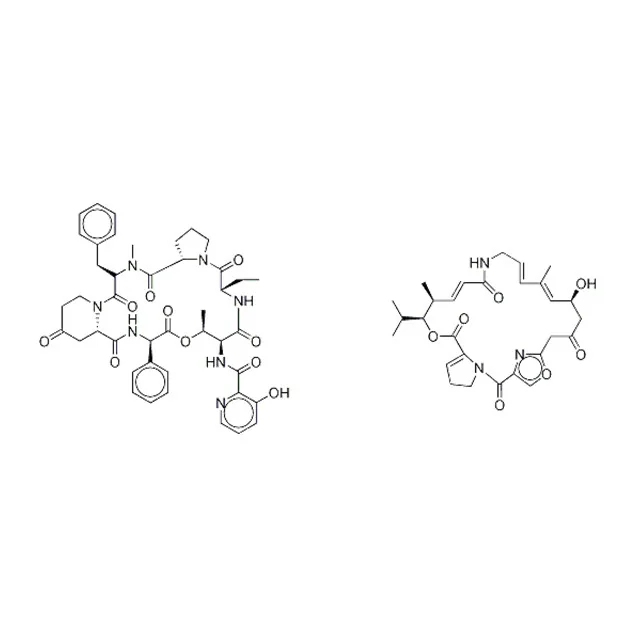
Virginiamycin
Virginiamycin is a streptogramin antibiotic similar to pristinamycin and quinupristin/dalfopristin. It is a combination of pristinamycin IIA(virginiamycin M1) and virginiamycin S1. Virginiamycin is used in the fuel ethanol industry to prevent microbial contamination. It is also used in agriculture, specifically in livestock, to accelerate the growth of the animals and to prevent and treat infections.