


Hot Anti-cancer Medicines (10)
Showing 1–10 of 10 products · Page 1 of 1

Avastin
1. For the clinical treatment of tumors, such as the treatment of psoriasis. 2. For first-line treatment of patients with advanced colorectal cancer. It can be used to treat colon cancer, breast cancer and lung cancer.

Darzalex
On November 16, 2015, the us FDA approved the release of Daratumumab, a new monoclonal antibody drug made by Janssen and marketed under the trade name Darzalex. Clinical use of multiple myeloma after treatment with protease inhibitors and immunosuppressive agents. The bioengineered drug is an anti-cd38 monoclonal antibody that targets a transmembrane extracellular enzyme CD38 molecule highly expressed on the surface of multiple myeloma cells and can induce rapid death of tumor cells through a variety of mechanisms. Because healthy cells and all myeloma cells express CD38, adequate evaluation of drug toxicity and therapeutic efficacy is required.
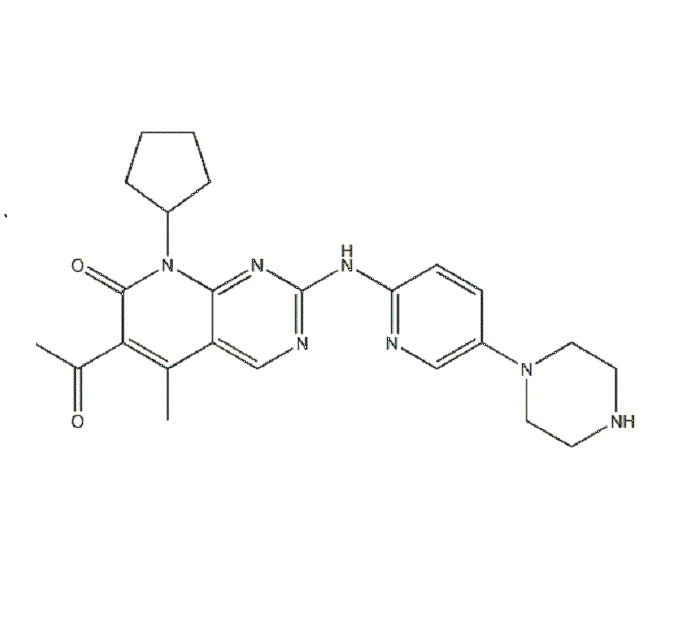
Ibrance
Palbociclib, a new breast cancer drug developed by Pfizer in the United States, is marketed as IBRANCE, an oral cyclin-dependent kinase (CDKs) 4 and 6 inhibitor, the first cyclin-dependent kinase 4/6 (cdk4/6) inhibitor approved by the us FDA. CDKs4 and 6 are key regulators of cell cycle and can trigger cell cycle progression. IBRANCE is indicated in the United States for the combination of letrozole for the treatment of estrogen receptor-positive, and human epidermal growth factor receptor-negative (ER+/ her2-negative) postmenopausal advanced breast cancer patients, as an initial endocrine-based regimen for the treatment of metastatic diseases.
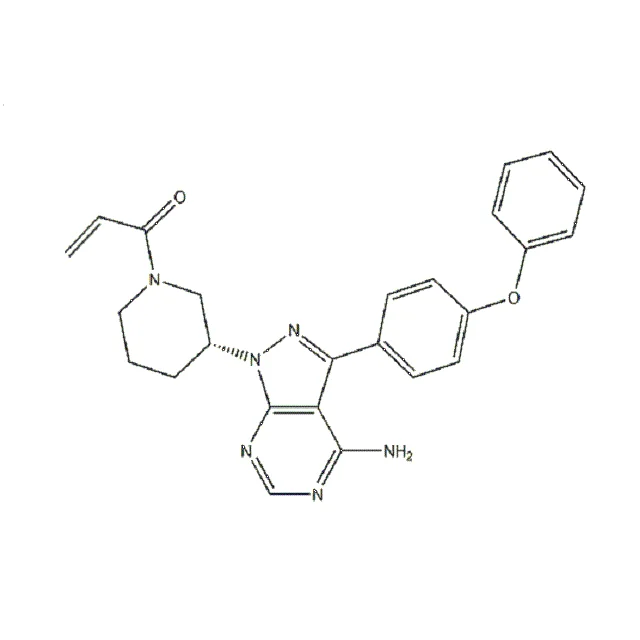
Imbruvica
Mechanism of action: Ibrutinib is a small molecule BTK inhibitor that binds covalently to the cysteine residue of the BTK active center, thereby inhibiting its activity. BTK stands for Bruton'styrosinekinase, which transmits signals in the BCR signaling pathway and cytokine receptor signaling pathway, and mediates B cell migration, chemotaxis, and adhesion. Preclinical studies have demonstrated that Ibrutinib can inhibit the proliferation and survival of malignant B cells.

Keytruda
As a humanized anti-pd1 monoclonal antibody, palmdrine (mk-3475, commodity name Keytruda, MSD) was approved by the food and drug administration (FDA) in September 2014 for the treatment of advanced or unresectable malignant melanoma as an immune checkpoint inhibitor (ICB). However, it has been found that pd-1 inhibitors can produce the side effects of autoimmune injury to the human body's multiple systems, such as hepatitis, pneumonia and myocardial injury.

Opdivo
Used in patients with advanced squamous non-small cell lung cancer (NSCLC) who have been previously treated.
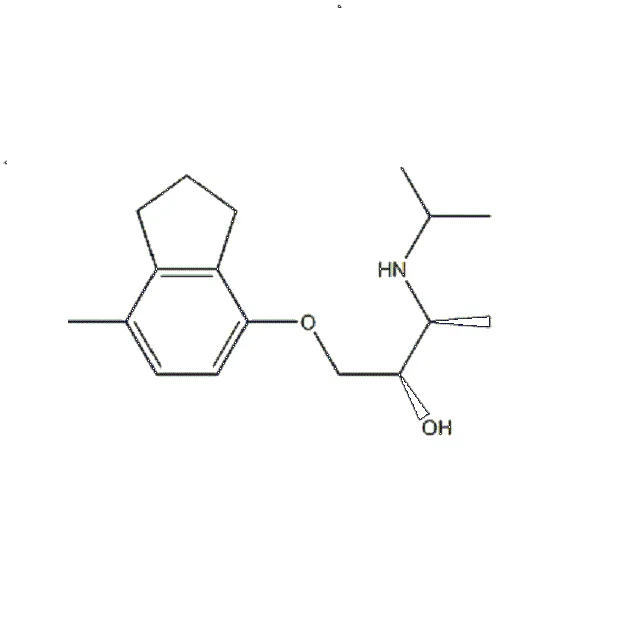
Perjeta
Pertuzumab, also known as 2C4, is a monoclonal antibody. It was the first monoclonal antibody called the "HER dimer inhibitor." By binding to HER2, it blocks the heterodimerization of HER2 with other herreceptors, thereby slowing tumor growth.
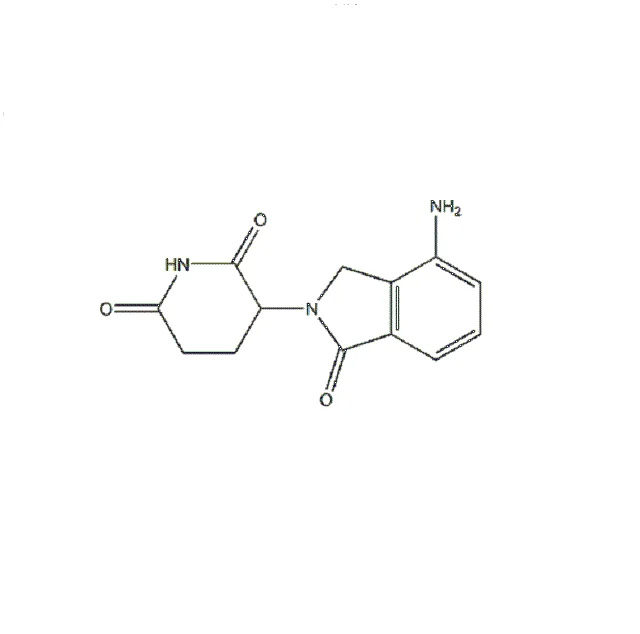
Revlimid
We can customize according to customer's requirement

Tecentriq
Pd-l1 may be expressed on tumor cells and/or tumor infiltrated immune cells and may contribute to the inhibition of anti-tumor immune responses in tumor microenvironment. The binding of pd-l1 to T cells showed that pd-1 and B7.1 receptors and antigen presentation showed that the cells inhibited the activity of cytotoxic T cells, t-cell proliferation and cytokine production. Atjuzumab is a monoclonal antibody that binds to pd-l1 and blocks its interaction with pd-1 and B7.1 receptors. This release of pd-l1 / pd-1 mediated inhibition of immune responses, including activation of anti-tumor immune responses, does not induce antibody dependent cytotoxicity. In the homologous mouse tumor model, inhibition of pd-l1 activity leads to reduced tumor growth.
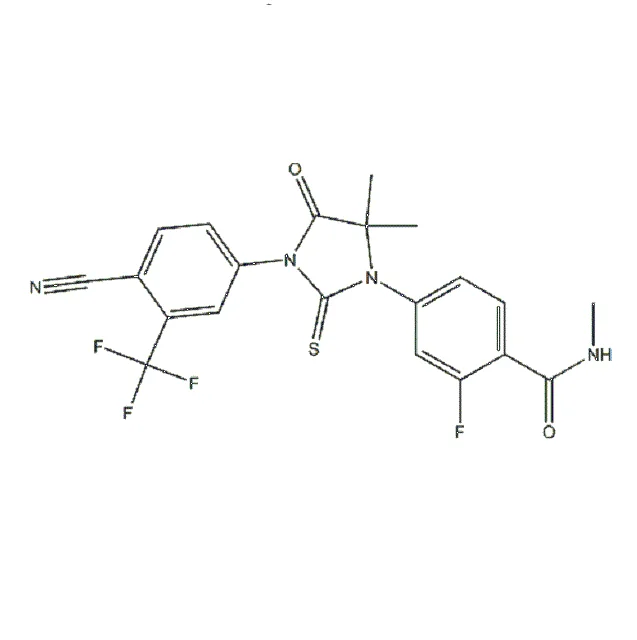
Xtandi
It is used to treat advanced castration tolerance of prostate cancer in men who have spread or relapsed. Well mixed amine for androgen receptor inhibitor, was able to suppress androgen receptors and competitive, and can suppress androgen receptors as well as the nuclear transport receptors interact with the DNA of the in vitro experimental study shows that well mixed amine lu can inhibit proliferation and induce the death of prostate cancer cells in mouse prostate cancer xenograft model experiment well mixed amine lu to shrink the tumor volume , the main metabolites of mixed amine lu for N - methyl well mixed amine, its in vitro with mixed amine lu similar inhibitory activity