

Browse 961 Chemical Products and Raw Materials
Iminodisuccinic Acid Sodium(IDS)
As a complexing agent, it is used in alkaline earth metal and heavy metal ion cleaning agents, widely used in industrial cleaning agents, detergents, textile printing and dyeing auxiliaries, pulp and paper industry, hydrogen peroxide stabilizer, electronic chemicals, copper complexing agent, ceramic industry , electroplating industry, cleaning agent for photography industry, extraction of soil heavy metal pollutants, soil trace element fertilizer chelating agent, etc.
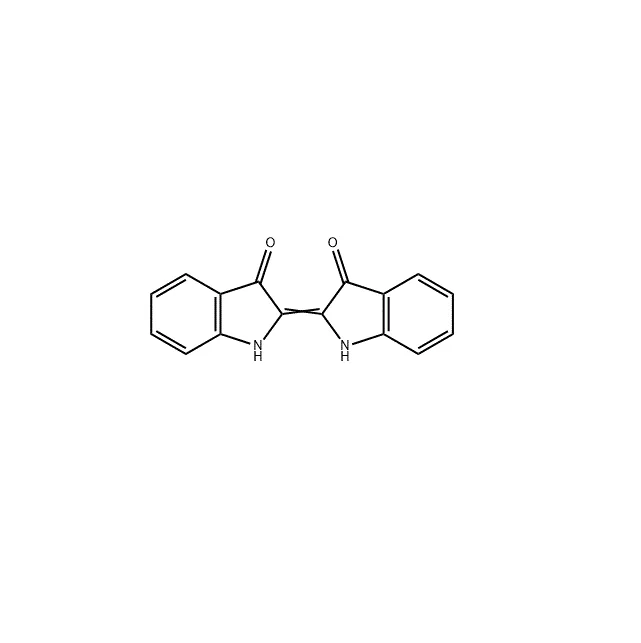
Indigo
Dark blue powder, insoluble in water. It is used for dyeing various fabrics. It is a blue coloring agent with strong indigo color and very good fastness. It has been loved by people for thousands of years. It is an edible synthetic pigment and is suitable for use with other pigments.
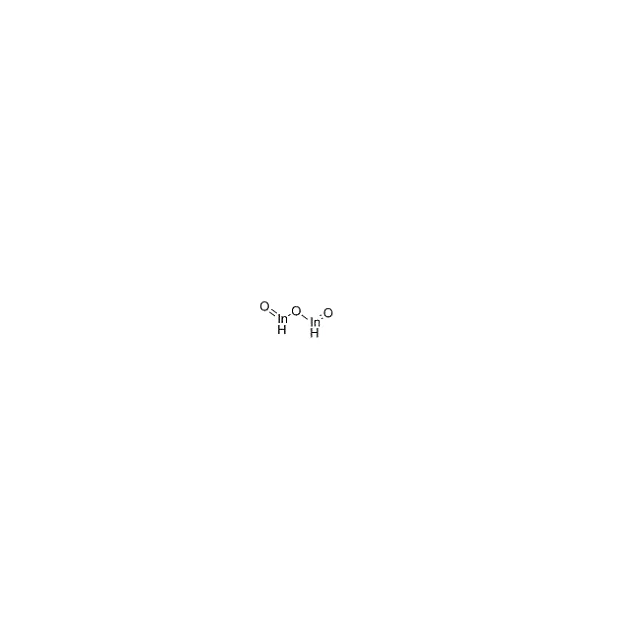
Indium(III) Oxide
Indium oxide is a new n-type transparent semiconductor functional material, which has wide band gap, small resistivity and high catalytic activity. It has been widely used in photoelectric field, gas sensor and catalyst. In addition to the above functions, indium oxide particles have the surface effect, quantum size effect, small size effect and macro quantum tunneling effect.
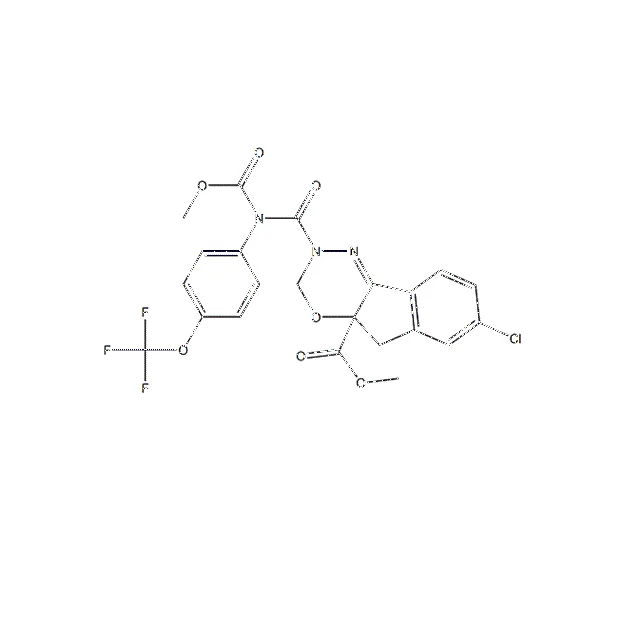
Indoxacarb
Ninhydrin is a typical representative of oxadiazine insecticides, and is also the first commercial sodium channel blocking insecticide (racemates are initially listed, and a rich group is newly listed). Although studies show that ninhydrin has a unique mechanism of action, which is different from any other existing insecticides, from a biological point of view, insect resistance to insecticides is a kind of stress Chemical phenomenon, which is accompanied by the selective action of insecticides on insects, exists the possibility of resistance of any new insecticides, including ninhydrin.
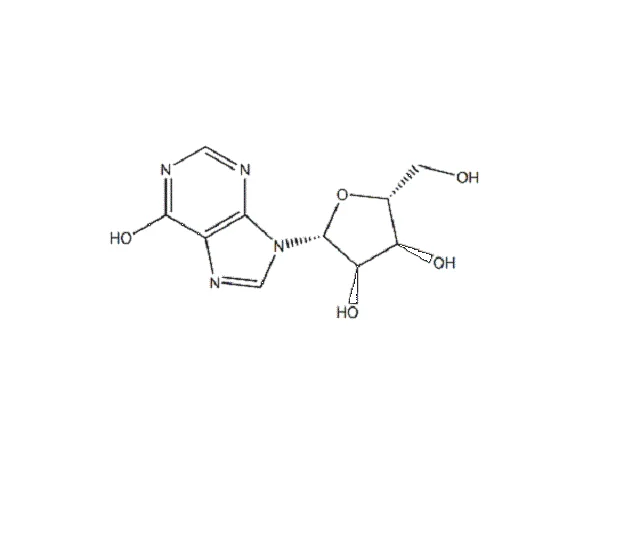
Inosine
Inosine is a nucleoside that is formed when hypoxanthine is attached to a ribose ring (also known as a ribofuranose) via a β-N9-glycosidic bond.
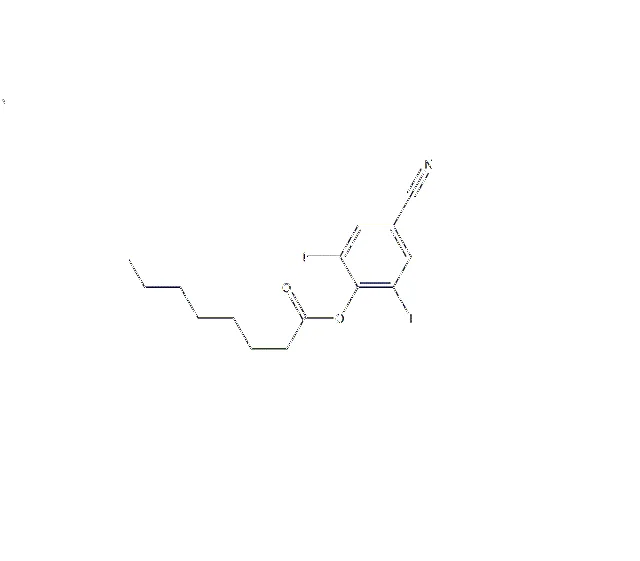
Ioxynil Octanoate
Contact MOSINTER for product specifications and supply information.
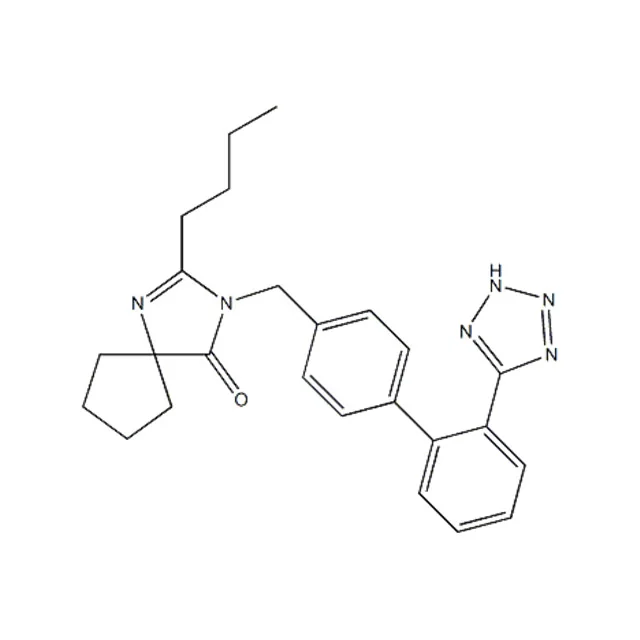
Irbesartan
Irbesartan is a Angiotensin Ⅱ receptor inhibitors.Angiotensin Ⅱ receptor divides into two kinds,AT1 and AT2.Irbesartan can inhibit Ang Ⅰ to transform into Ang Ⅱ by blocking the AT1 receptor of AnglI selectively,It can also antagonism AT1 specifically.Antagonism between the AT1 is AT2 8500 times.By blocking the combination of Ang Ⅱ and AT1,it can inhibit vascular contraction and the release of aldosterone,then lower the blood pressure.
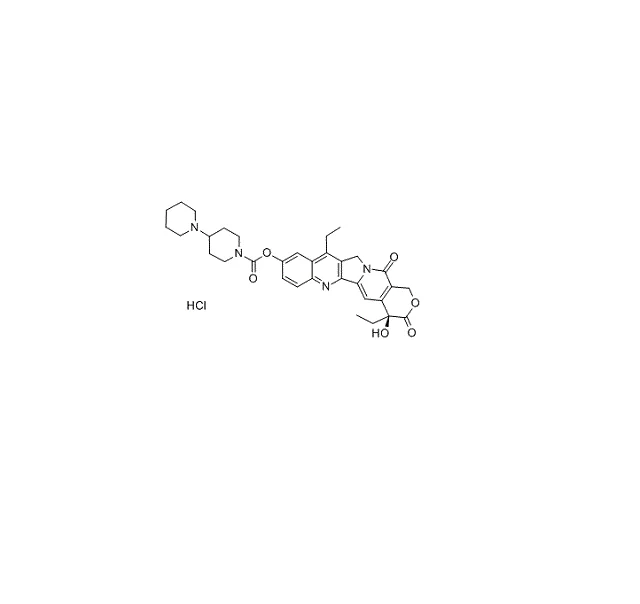
Irinotecan Hydrochloride
Irinotecan hydrochloride is a semi synthetic derivative of camptothecin. It is light yellow powder or light yellow crystalline powder at room temperature, odorless. Slightly soluble in water, ethanol or chloroform, insoluble in acetone. Camptothecin can specifically bind to topoisomerase I, which can induce reversible single strand breaks, so that the DNA double strand structure can be untwisted; irinotecan and its active metabolite SN-38 can bind to topoisomerase I-DNA complex, so as to prevent the reconnection of the broken single bond, resulting in cytotoxicity, which is time-dependent and specific to S-phase, and toxicity is also Better than irinotecan. It is suitable for the treatment of patients with advanced colorectal cancer, combined with 5-fluorouracil and folic acid to treat patients with advanced colorectal cancer who have not received chemotherapy before. As a single drug, it is used to treat patients who have failed to receive chemotherapy containing 5-fluorouracil. Irinotecan has broad-spectrum and strong antitumor activity in vivo and in vitro. It is important that irinotecan and its metabolites are still effective in the expression of multidrug-resistant tumors.

Iron Chloride Hexahydrate
Yellowish brown crystal or massive solid, odorless, astringent. Melting point 37 °C. Boiling point: 280-285 °C. Soluble in water, soluble in ethanol and ether. Its aqueous solution is strongly acidic, which makes the protein coagulate. It is deliquescent and can deliquesce into reddish brown liquid in the air.
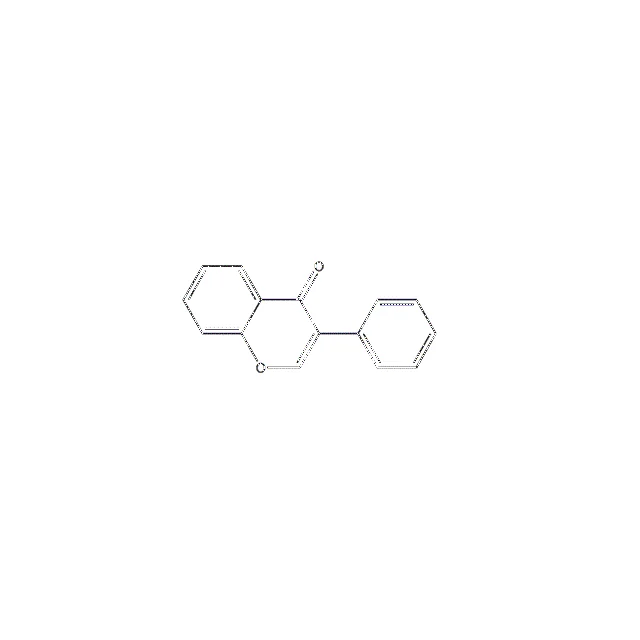
Isoflavone
Soybean isoflavone is a kind of natural plant estrogen which is beneficial to human body. The plant bioactive element extracted from natural soybean is also called "plant estrogen" because it has a very similar molecular structure with estrogen, can combine with estrogen receptor in female body, has a two-way regulation function on estrogen, is safe and has no side effect on chemical book. It can alleviate osteoporosis and other symptoms caused by menopause, delay skin aging, improve skin quality, and make women's skin smooth, delicate and elastic. Because it can greatly improve the quality of women's life, it is called "female charm factor".
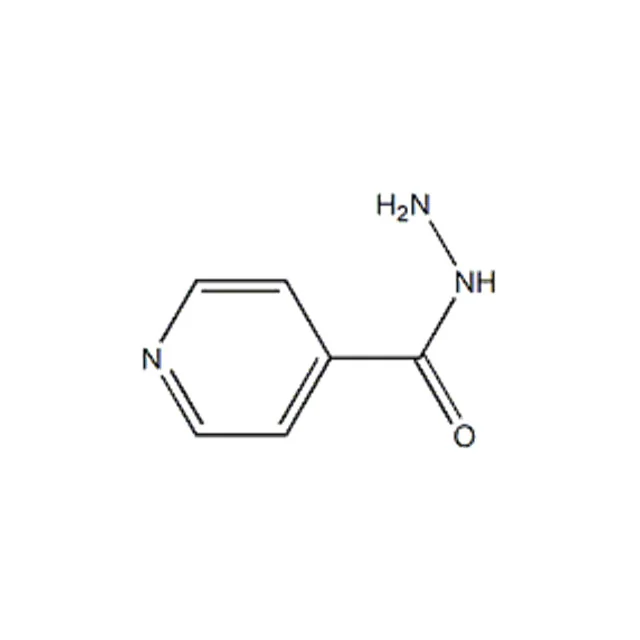
Isoniazid
Isoniazid is an antibacterial agent used primarily as a tuberculostatic. Target: Antibacterial Isoniazid is a prodrug and must be activated by a bacterial catalase-peroxidase enzyme that in M. tuberculosis is called KatG. KatG couples the isonicotinic acyl with NADH to form isonicotinic acyl-NADH complex. This complex binds tightly to the enoyl-acyl carrier protein reductase known as InhA, thereby blocking the natural enoyl-AcpM substrate and the action of fatty acid synthase. This process inhibits the synthesis of mycolic acid, required for the mycobacterial cell wall. A range of radicals are produced by KatG activation of isoniazid, including nitric oxide, which has also been shown to be important in the action of another antimycobacterial prodrug PA-824. Isoniazid is bactericidal to rapidly dividing mycobacteria, but is bacteriostatic if the mycobacteria are slow-growing.
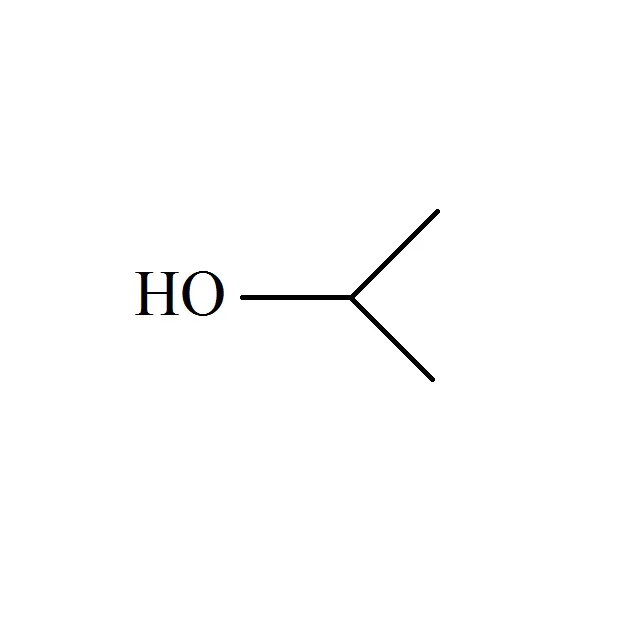
Isopropanol
Isopropanol is also called fire wine, dimethyl methanol, 2-propanol, the simplest secondary alcohol, and one of the isomers of n-propanol. A colorless, flammable liquid with a strong odor. It smells like a mixture of ethanol and acetone, and its odor is not great. It is soluble in most organic solvents such as water, alcohol, ether, benzene, chloroform, and can be miscible with water, alcohol and ether, and can form an azeotrope with water. Density (specific gravity): 0.7863g/cm³, melting point: -88.5°C, boiling point: 82.5°C, flash point: 11.7°C, spontaneous ignition point: 460°C, refractive index: 1.3772. Its steam can cause slight irritation to the eyes, nose and throat; it can be absorbed by the body through the skin. Its vapor and air can form an explosive mixture. The explosion limit is 2.0%~12% (volume). Belongs to a medium explosive dangerous goods. It is a flammable and low-toxic substance. The toxicity of vapor is twice that of ethanol, but the toxicity is opposite when taken orally.
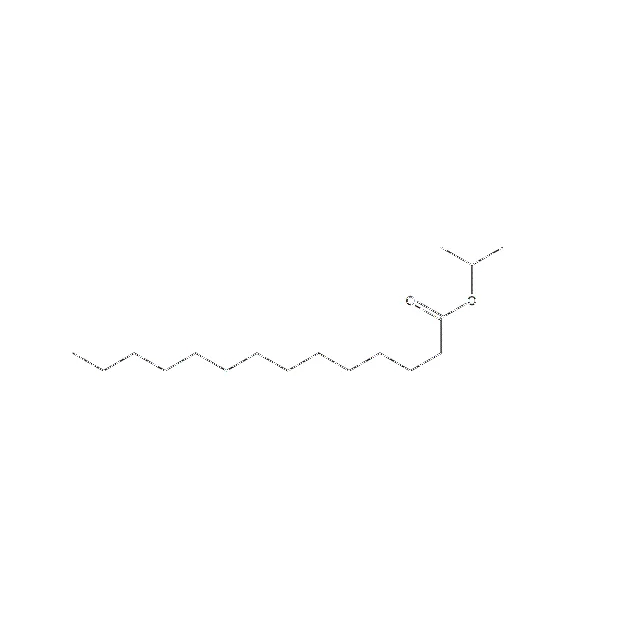
Isopropyl Myristate
Widely used in cosmetics, it can moisturize and moisturize the skin. The skin has a good absorption of this product. It can effectively contact with hair follicles in the cortex, penetrate into the deep cortex, and bring the active components of cosmetics into full play. As cosmetic solvent and skin moisturizer, penetrant.
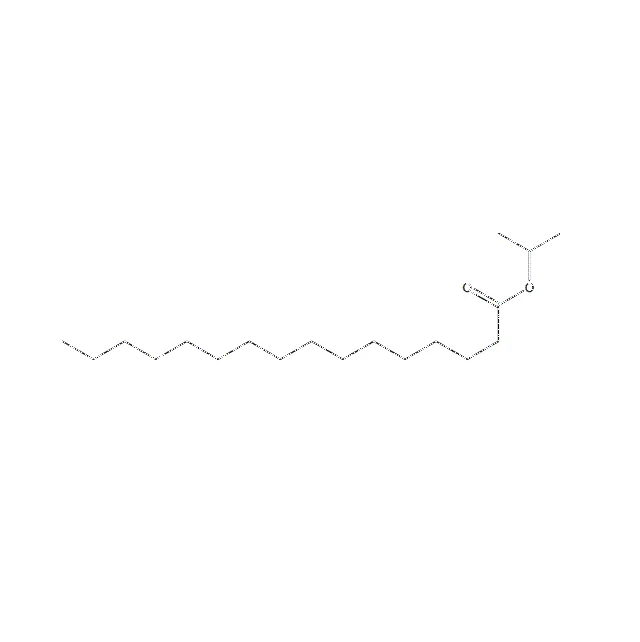
Isopropyl Palmitate
Widely used in pharmaceutical and cosmetics industry. It is mainly used as additive and solubilizer. Isopropyl palmitate has stable performance and is not suitable for oxidation to produce peculiar smell. It is an excellent skin softener in skin care and cosmetics, which can make skin soft, tender and smooth without greasy feeling. It has good skin permeability and can be used as a good solvent for mascara. It is commonly used in skin cream, hair oil, eye shadow, lipstick, mascara and other formulations.
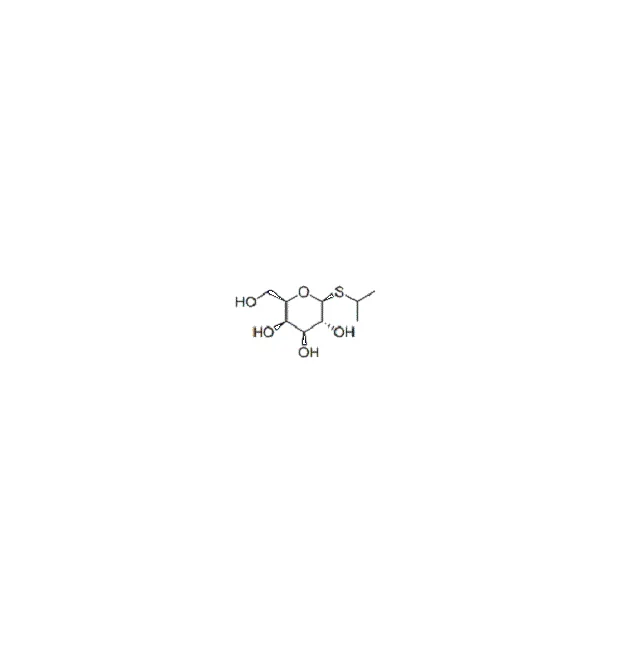
Isopropyl-beta-D-thiogalactopyranoside
Isopropylthiogalactoside (IPTG) is a strong inducer, which is not metabolized by bacteria and is very stable, so it is widely used in the laboratory. IPTG is often used to clone β - galactosidase. It is often used in combination with X-gal or bluo gal for blue white screening of recombinant bacterial colonies, which can induce the expression of lac operon in E.coli. IPTG binds to lacI repressor and changes its conformation to prevent the inhibition of lacZ.
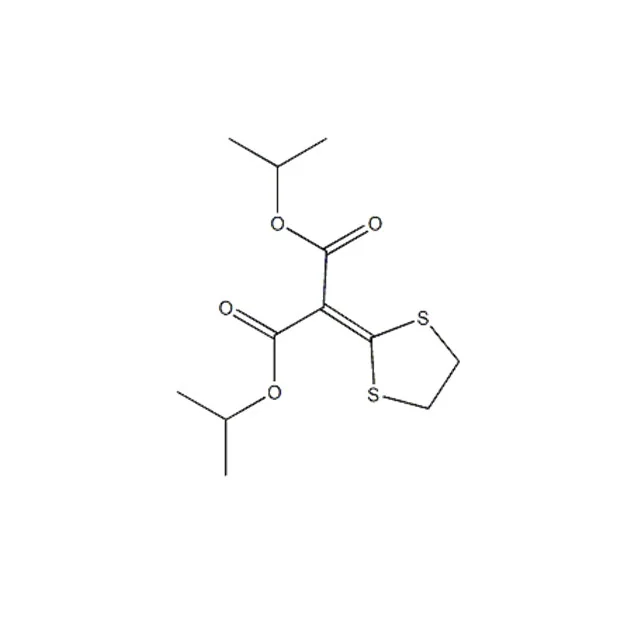
Isoprothiolane
Isoprothiolane is a dithiolane pesticide. Isoprothiolane is commonly used in agriculture as a fungicide to control planthoppers and blast disease in rice plants.
Isothiazolinones
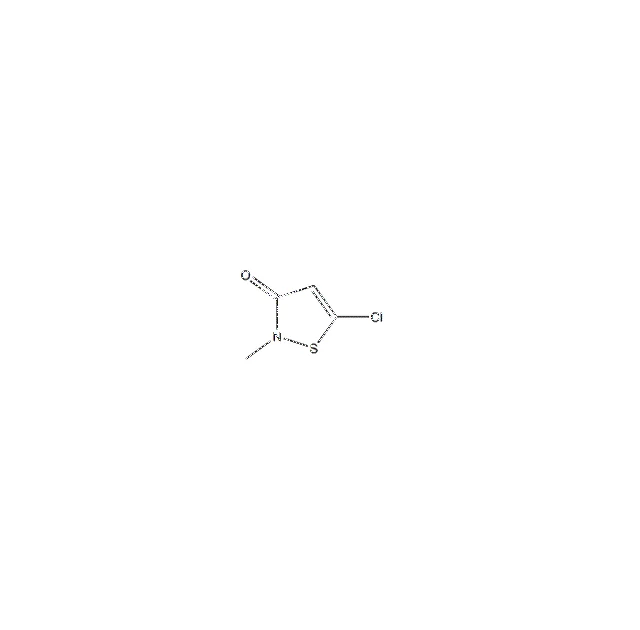
Isothiazolinone is a kind of excellent water treatment agent with good miscibility. It can be miscible with various corrosion inhibitors, scale inhibitors and dispersants such as chlorine, most anionic, cationic and non-ionic surfactants. The commodities on the market are usually a mixture of 5-chloro-2-methyl-4-isothiazoline-3-one (CMI) and 2-methyl-4-isothiazoline-3-one (MI), and metal nitrite will also be added Or metal nitrate, improve stability and prevent decomposition. Isothiazolinone has a killing effect by breaking the bond between bacteria and algae protein. After contacting with microorganism, it can quickly and irreversibly inhibit its growth, thus leading to the death of microbial cells. For common bacteria (sulfate reducing bacteria, sludge forming bacteria), fungi (iron oxide bacteria, mold, yeast bacteria), it can not only reduce the growth of bacteria, but also reduce the growth of bacteria , algae and so on have strong inhibition and killing effect. It has the characteristics of high killing efficiency, good degradation, no residue, safe operation, good compatibility, strong stability and low cost. At high dosage, it has significant effect on biological slime stripping. At present, it has been widely used in iron and steel smelting, oilfield water injection, thermal power generation, paper making, oil refining, chemical industry, light textile, industrial cleaning, pesticide, cutting oil-water coating, daily chemical industry, ink, dye, leather and other fields.
Isotretinoin
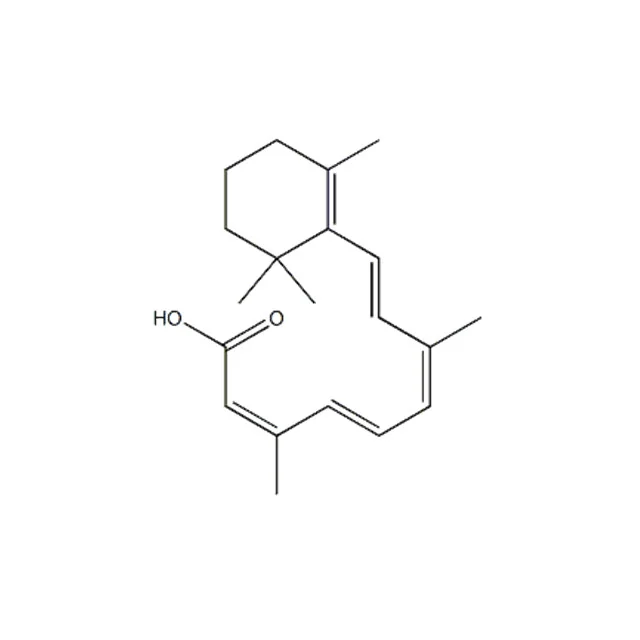
Isotretinoin (INN), also known as 13-cis retinoic acid, is an oral pharmaceutical medicine primarily used to treat cystic acne. Rarely, it is also used to prevent certain skin cancers (squamous-cell carcinoma), and in the treatment of other cancers. It is used to treat harlequin-type ichthyosis, a usually lethal skin disease, and lamellar ichthyosis. It is a retinoid, meaning it is related to vitamin A, and is found in small quantities naturally in the body. Its isomer, tretinoin, is also an acne medicine.
Ivermectin
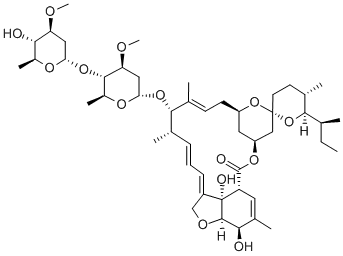
Ivermectin (22,23-dihydroavermectin B1a + 22,23-dihydroavermectin B1b) is a broad-spectrum antiparasitic drug in the avermectin family. It is sold under brand names Heartgard, Sklice, and Stromectol in theUnited States, Ivomec worldwide by Merial Animal Health, Mectizan inCanadabyMerck, and Ivexterm inMexicoby Valeant Pharmaceuticals International. In Southeast Asian countries, it is marketed by Delta Pharma Ltd. under the trade name Scabo 6. While in development, it was assigned the code MK-933 by Merck.
Josamycin
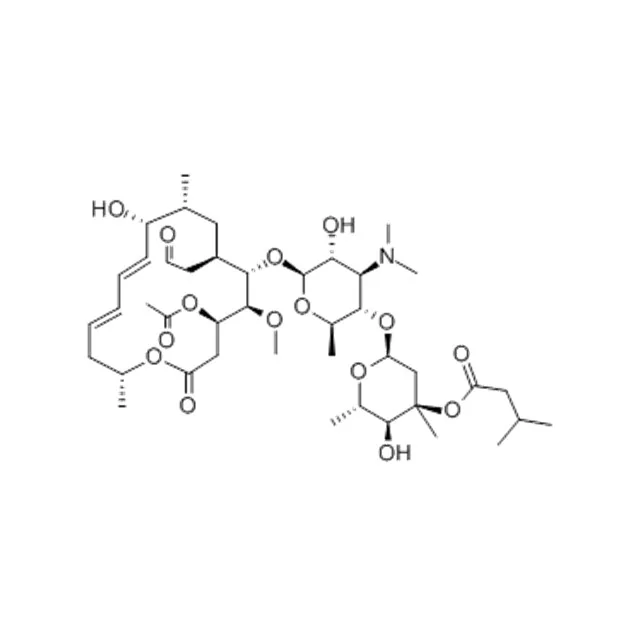
Josamycin is a macrolide antibiotic. It is synthesized from strains of Streptomyces narbonensis var. The product is novel macrolide antibiotics broad spectrum antimicrobial, and erythromycin approximation. Staphylococcus, streptococcus, pneumococcus, meningococcus and pertussis, clostridium, diphtheria, anthrax, brucellosis, Legionella, spiral bacteria, mycoplasma, rickettsia, chlamydia, spirochetes, etc. also good antibacterial effect. Mainly used in clinical respiratory system, otorhinolaryngology and dermatology and biliary site infections caused by susceptible strains. The product is mainly characterized by rapid oral absorption, fast and wide distribution, high tissue and organ concentrations. In particular there is a higher concentration in the trachea mucus and bile. Use safer, side effects.
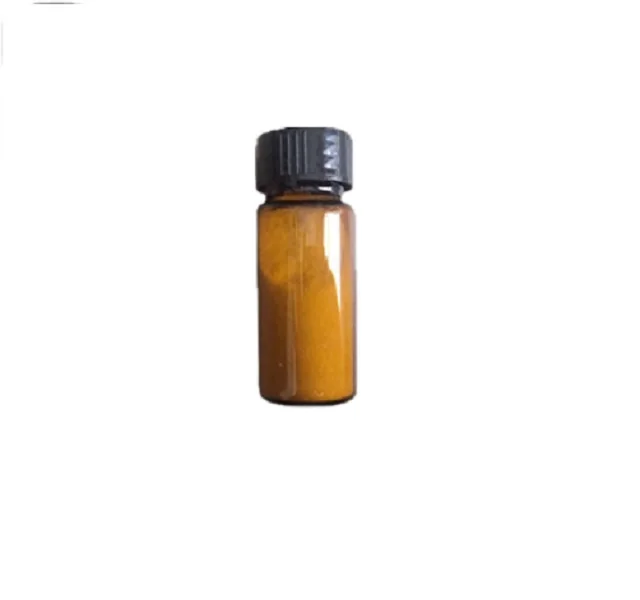
Keytruda
As a humanized anti-pd1 monoclonal antibody, palmdrine (mk-3475, commodity name Keytruda, MSD) was approved by the food and drug administration (FDA) in September 2014 for the treatment of advanced or unresectable malignant melanoma as an immune checkpoint inhibitor (ICB). However, it has been found that pd-1 inhibitors can produce the side effects of autoimmune injury to the human body's multiple systems, such as hepatitis, pneumonia and myocardial injury.
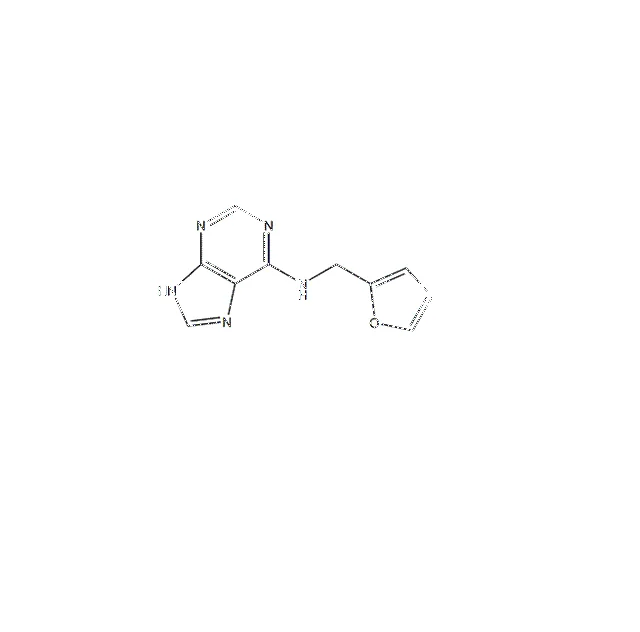
Kinetin
White crystal or white crystalline powder, melting point: 266-276 (sealed tube), easy to dissolve in dilute acid and alkali, difficult to dissolve in water, alcohol, ether and acetone. Mainly used in plant hormones, cytokinins.
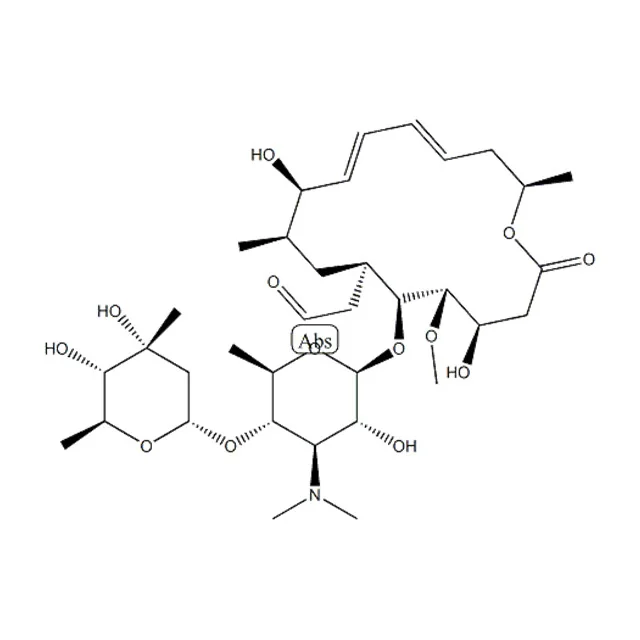
Kitasamycin
Kitasamycin (INN) is a macrolide antibiotic. It is produced by Streptomyces kitasatoensis. The medicine has antimicrobial activity against a wide spectrum of pathogens. There are several generic names of this drug such as- •Kitasamycin (OS: BAN, JAN, USAN) •Kitasamycine (OS: DCF) •C 637 (IS) •Katasamycin (IS) •Leucomycin (IS) •Kitasamycin (PH: JP XV) •Kitasamycin Acetate (OS: JAN) •Leucomycin Acetate (IS) •Kitasamycin Acetate (PH: JP XV) •Kitasamycin Tartrate (OS: JAN) •Leucomycin Tartrate (IS) •Kitasamycin Tartrate (PH: JP XV)
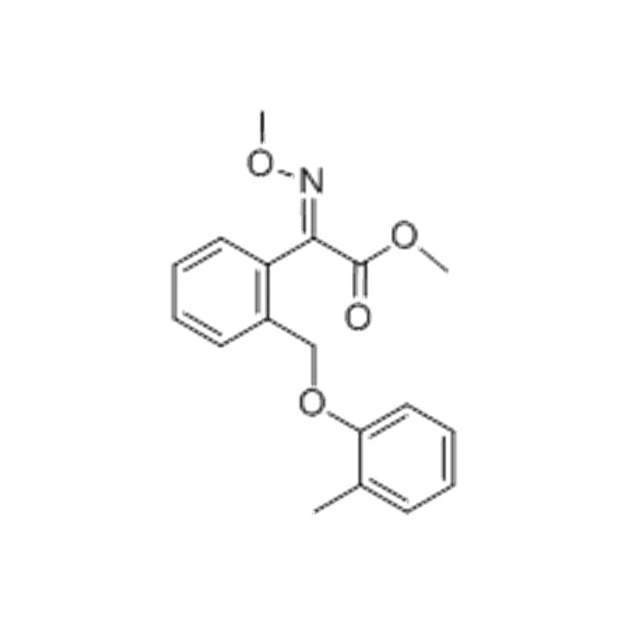
Kresoxim-methyl
Kresoxim-methyl is a high-efficiency, broad-spectrum and novel kind of fungicide. It has excellent treatment efficacy on strawberry powdery mildew, melon powdery mildew, cucumber powdery mildew, pear scab and other diseases. It is capable of controlling the treatment of Ascomycetes, Basidiomycetes, Deuteromycetes, Oomycetes and most kinds of other diseases. It has inhibitory effect on spore germination and growth of mycelium inside the leaf with activities of protection, treatment and eradication. It has good permeability and local systemic activity with long duration period.