


Browse 961 Chemical Products and Raw Materials
Heparin Sodium
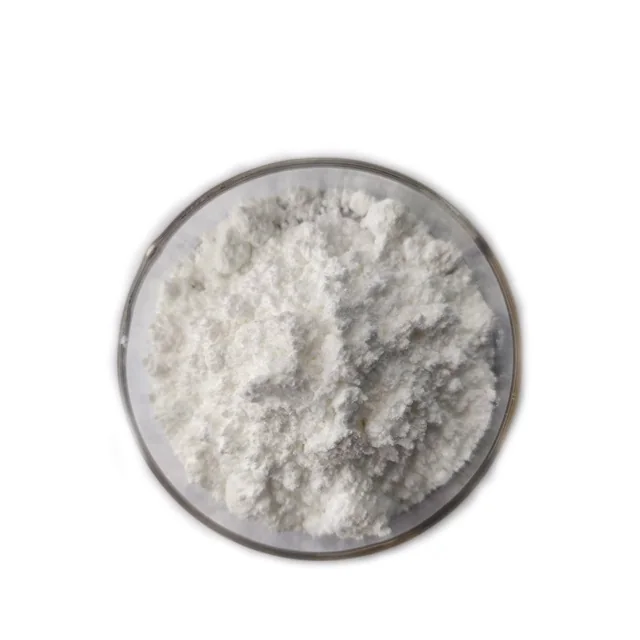
Heparin ,also known as unfractionated heparin, a highly sulfated glycosaminoglycan, is widely used as an injectable anticoagulant, and has the highest negative charge density of any known biological molecule. It can also be used to form an inner anticoagulant surface on various experimental and medical devices such as test tubes and renal dialysis machines.
Hexaammonium Molybdate
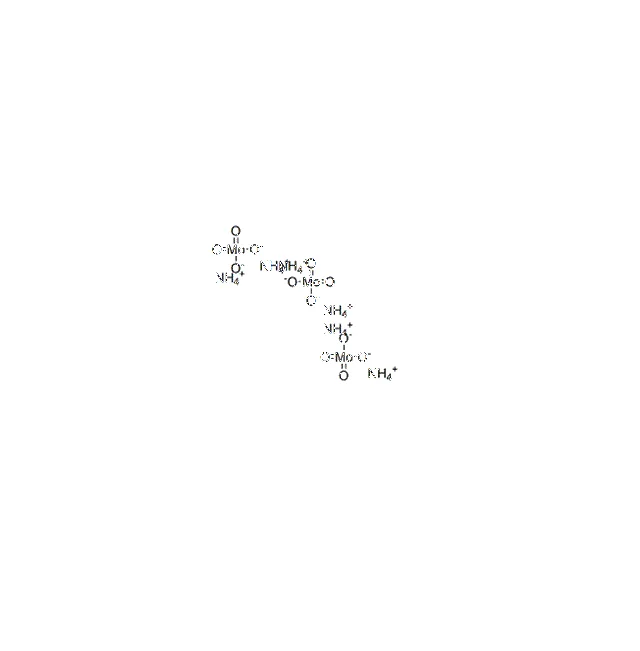
Ammonium heptamolybdate is an important intermediate product in the process of molybdenum metallurgy. It is the main raw material for the production of molybdenum powder, molybdenum wire and molybdenum based products. It is also used in chemical and petroleum catalyst, flame retardant, dye, pigment, microelement fertilizer and other industries and fields. With the rapid development of molybdenum high-tech products, ammonium molybdate has become an indispensable material in high-tech fields, such as superconductivity, cermet, laser, computer, polymer synthesis, detection and testing.
Hexaconazole
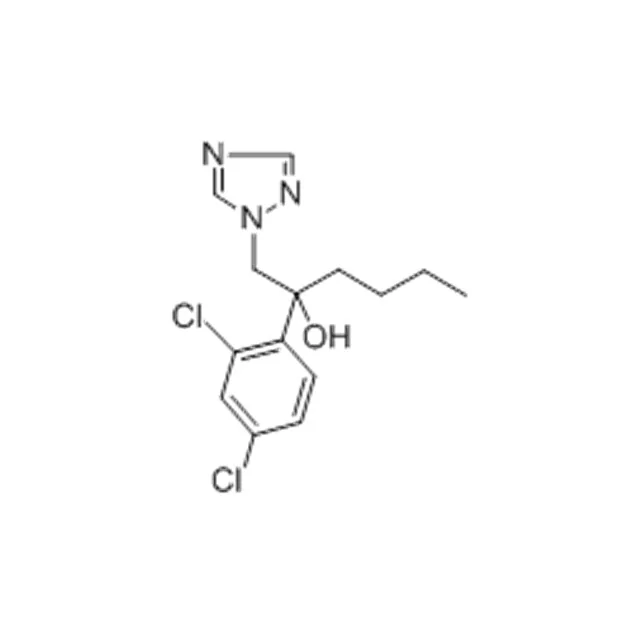
Hexaconazole is a kind of broad-spectrum systemic trazole fungicide. It can be used for the treatment of many kind of fungi diseases caused by ascomycetes, basidiomycetes, and imperfect fungi. It is especially suitable for the treatment of fungi diseases such as powdery mildew, rust, scab, brown blotch and anthracnose caused by ascomycetes and basidiomycetes.
Hexahydrophthalic Anhydride
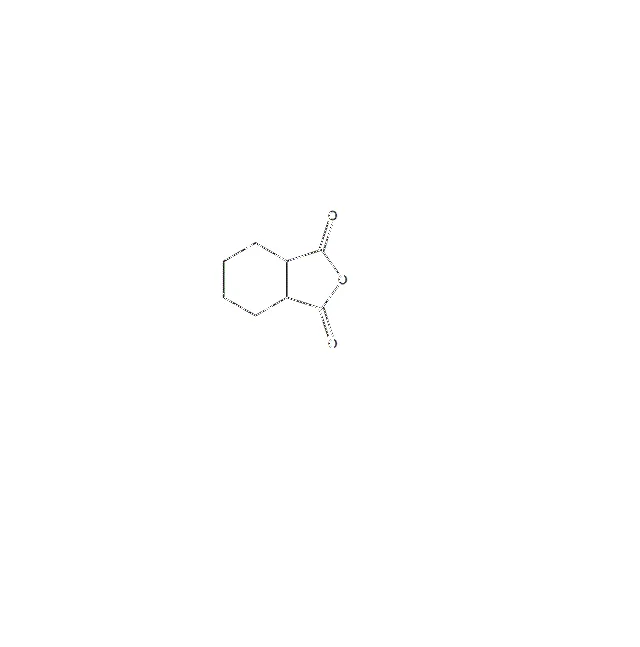
Hexahydrophthalic anhydride, also known as hexahydrophthalic anhydride, is a colorless, transparent and viscous liquid at room temperature. Molecular weight 154.17. At 35-36 °C, it solidified into a white glassy solid. The relative density is 1.18-1.19. Boiling point 158 °C (2.27kpa). Soluble in acetone, ethanol, ethyl acetate, chloroform, carbon tetrachloride, benzene, toluene, slightly soluble in petroleum ether. Inhalation is toxic and has strong irritation to eyes and skin. Hexahydrophthalic anhydride can be used as curing agent of epoxy resin. It has low melting point, can be mixed with resin at low temperature, low viscosity of mixture, long service life (6 days), and small heat during curing. Mainly used for casting products. The general dosage is 75-85 phr. Curing conditions: 100-200 °C / 3-1h. The electrical properties and drug resistance of the cured products are excellent, and the heat deformation temperature is 110-130 °C. Hexahydrophthalic anhydride can also be used as a eutectic curing agent for chlorobridged anhydrides and tetrahydrophthalic anhydrides.
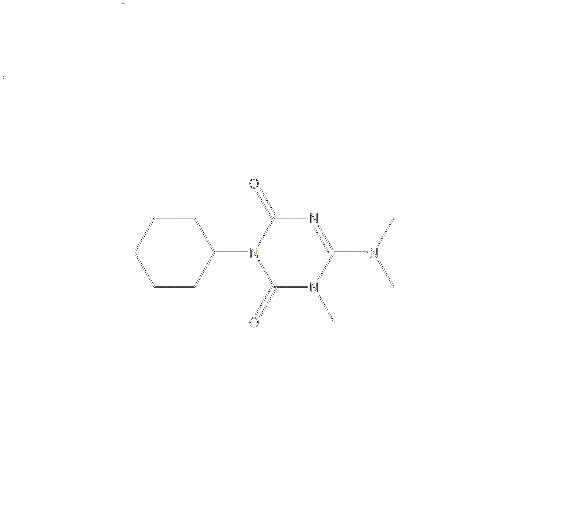
Hexazinone
It is post-emergent tag herbicide, inhibiting photosynthesis crop plants. The spectrum of weed andshrub killing a wide spectrum and strong virulence, long lasting effect, for evergreen coniferous forest, such as Pinus koraiensis, Pinus sylvestris and Picea and Pinus massoniana young forest tending, before the planting of weed killing irrigation, maintenance and creation of forest fire and forest soil improvement etc., used in oil, machine field, the roadon both sides of the weed killing irrigation. Control of Setaria viridis, Filipendula, Qin, sheep Hu sedge, Elsholtzia, reed, Calamagrostis angustifolia,the narrow mountain song, fern, clematis, round leaf speedwell, Cephalanoplos segetum, wild oats, Polygonum, millet, quinoa, etc..
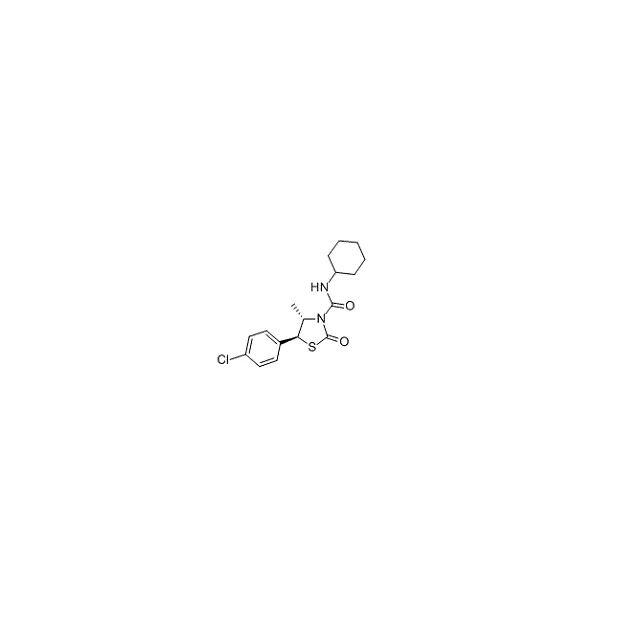
Hexythiazox
As a growth regulator of thiadiazine insects, thioacaridone has high selectivity, strong contact effect and stomach toxicity. It has good control effect on homopterous planthoppers, leafhoppers, whiteflies and scale hydrocarbon pests, and also has long-lasting larvicidal activity against some coleoptera pests and mites. It can effectively control planthoppers and leafhoppers on rice, leafhoppers on tea, leafhoppers on potatoes, whiteflies on oranges and vegetables, and scale insects and scale insects on oranges. According to the domestic research, it has a certain role of internal absorption and transportation in rice plants. The mechanism of action is to inhibit chitin synthesis and interfere metabolism of insects, so that nymphs can not molt, or molt deformity, or feathering deformity and die slowly, with high nymph killing activity. Generally, the recommended dose can not directly kill the adults, but can reduce egg laying, egg hatching rate and life span. Generally, the effect can be seen only 3-7 days after the application of the medicine. It has no direct killing power to the adults, but it can shorten their life span, reduce their oviposition, and produce mostly sterile eggs. Even if the larvae hatch, they will die soon. It has good control effect on Hemiptera, leafhoppers, whiteflies and scale insects, and the effective period is more than 30 days. It is safe to natural enemies, and there is no cross resistance between thiaacaridone and other insecticides. The effect of the drug is slow, and the pest can be controlled 3-7 days after application. When the density of insect population is high, it should be mixed with quick acting agents.
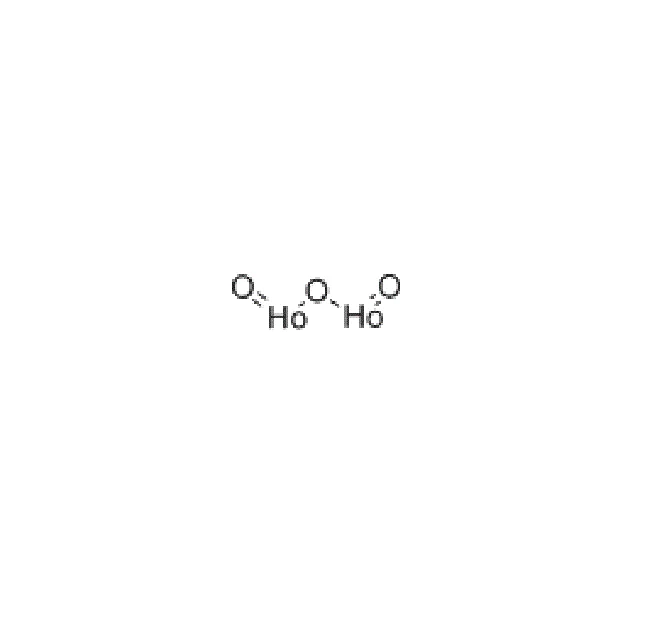
Holmium Oxide
Holmium oxide, also known as holmium trioxide, has the chemical formula Ho2O3. It is a compound composed of rare earth element holmium and oxygen, and dysprosium oxide is one of the most paramagnetic substances known. Holmium oxide is one of the components of erbium oxide minerals. In its natural state, holmium oxide often coexists with trivalent oxides of lanthanides, and special methods are needed to separate them. Holmium oxide can be used to prepare glass with special colors. The visible absorption spectrum of glass and solution containing holmium oxide has a series of sharp peaks, so it is traditionally used as a standard for spectrophotometer calibration.
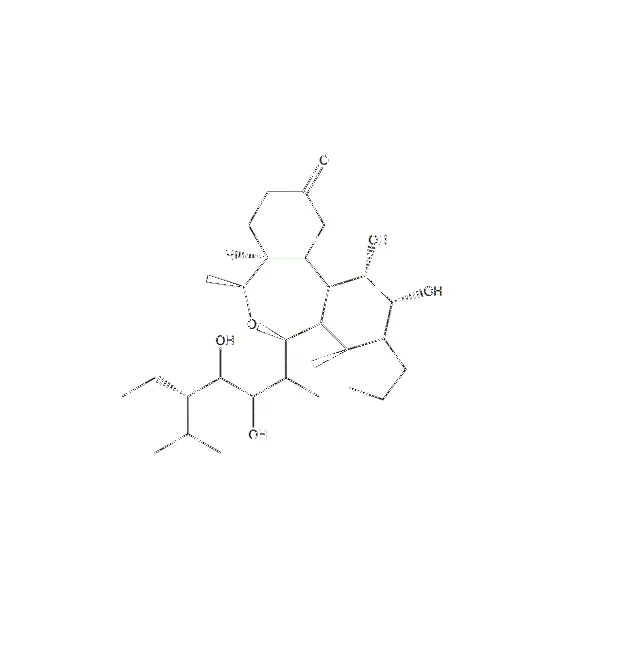
Homobrassinolide
This is a new type of green plant growth regulator, which can promote the growth of vegetables, melons, fruits and other crops, improve the quality of crops, improve the yield of crops, make the color of crops bright and the leaves thicker through the appropriate concentration of seed soaking and spraying. It can also advance the leaf picking time of tea, and make the melon and fruit have higher sugar content, larger individual, higher yield and more storage resistance.
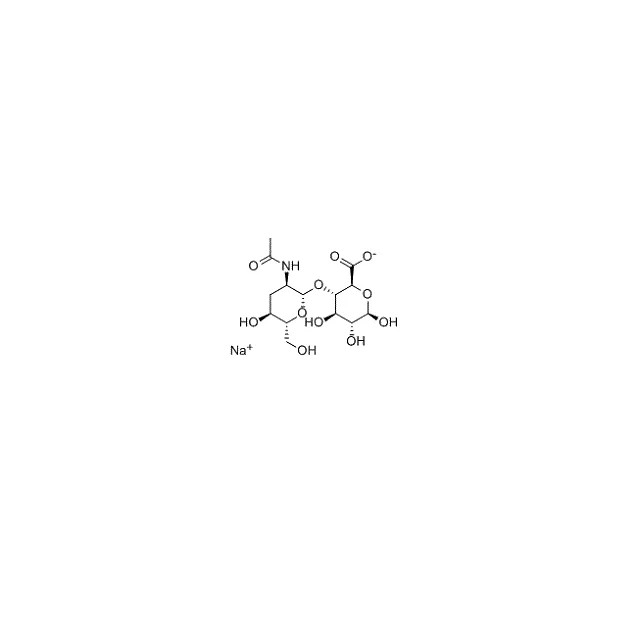
Hyaluronic Acid
Hyaluronic acid is a kind of acid mucopolysaccharide. It has many important physiological functions in the body with its unique molecular structure and physical and chemical properties, such as lubricating joints, regulating the permeability of blood vessel wall, regulating the diffusion and operation of protein and water electrolyte, promoting wound healing, etc. What's more, hyaluronic acid has a special function of keeping water, which is the best moisturizing substance found in nature at present. It is called an ideal natural moisturizing factor.
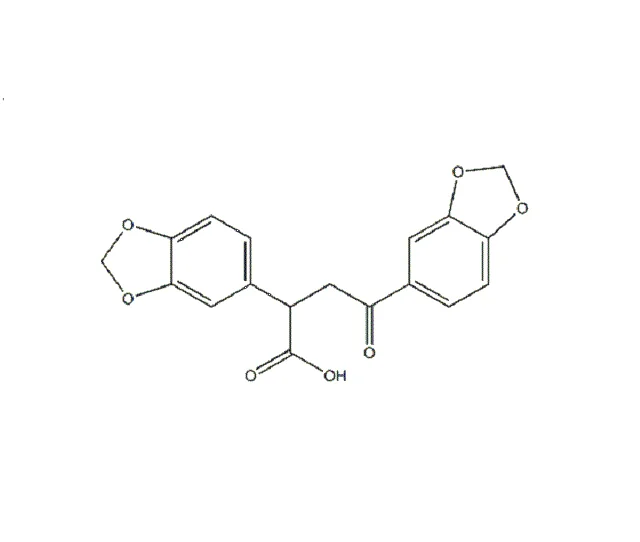
Hyaluronidase
Brand names of animal-derived hyaluronidase include HydaseTM (developed and manufactured by PrimaPharm Inc., distributed by Akorn Inc.), which has been FDA-approved as a "thimerosal-free" animal-derived hyaluronidase, Vitrase (ISTA Pharmaceuticals), Amphadase (Amphastar Pharmaceuticals), and Wydase. Wydase, however, is no longer manufactured.By catalyzing the hydrolysis of hyaluronan, a constituent of the extracellular matrix (ECM), hyaluronidase lowers the viscosity of hyaluronan, thereby increasing tissue permeability. It is, therefore, used in medicine in conjunction with other medicine to speed their dispersion and delivery. Common applications are ophthalmic surgery, in combination with local anesthetics. It also increases the absorption rate of parenteral fluids given byhypodermoclysis, and is an adjunct in subcutaneous urography for improving resorption of radiopaque agents. Hyaluronidase is also used for extravasation of hyperosmolar solutions.
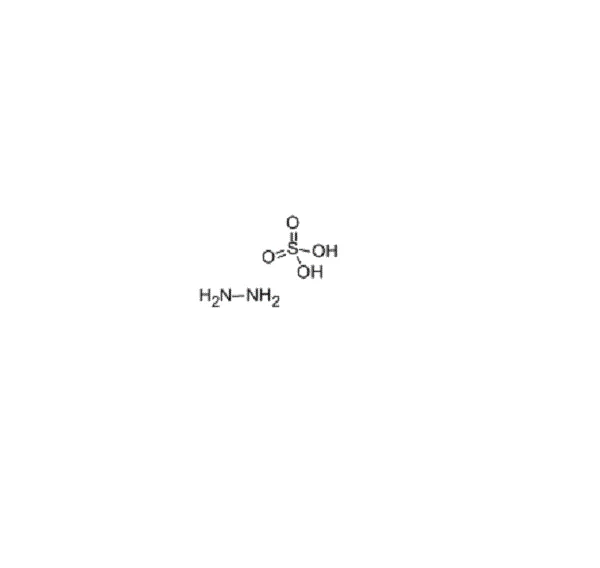
Hydrazine Sulfate
Hydrazine sulfate is the salt of hydrazine and sulfuric acid. Known by the trade name Sehydrin, it is a chemical compound that has been used as analternative medical treatment for the loss of appetite (anorexia) and weight loss (cachexia) which is often associated with cancer. Hydrazine sulfate has never been approved in theUSas safe and effective in treating any medical condition, although it is marketed as a dietary supplement. It is also sold over the Internet by websites that promote its use as a cancer therapy. The active ingredient is hydrazine, and the sulfate component is present to aid in formulation.
Hydroxypropyl Methyl Cellulose
Hydroxypropyl methylcellulose is the propylene glycol ether of methylcellulose, in which hydroxypropyl and methyl are combined by ether bond and anhydrous glucose ring of cellulose, which are white to gray white cellulose powder or particles, with the characteristics of cold water dissolution and hot water insolubility similar to methylcellulose. The solubility in organic solvent is better than that in water. It can be dissolved in anhydrous methanol and ethanol solution, and also in chlorinated hydrocarbons and ketones and other organic solvents. Soluble in water, its aqueous solution has surface activity, and after drying, it forms a thin film. After heating and cooling, it can undergo reversible conversion from sol to gel. It can be used alone or in combination with other emulsifiers and stabilizers in cold drinks. The maximum dosage of cold drinks is 1%. Hydroxypropylmethylcellulose can be mixed with other water-soluble polymer compounds to form a uniform and transparent solution with higher viscosity. The gelation temperature of low viscosity products is higher than that of high viscosity. Its solution is stable when stored at room temperature. In recent years, it has been widely used in petrochemical, papermaking, leather, textile printing and dyeing, medicine, food, cosmetics and other industries as dispersant, thickener, adhesive, excipient, capsule, oil-resistant coating and filler.
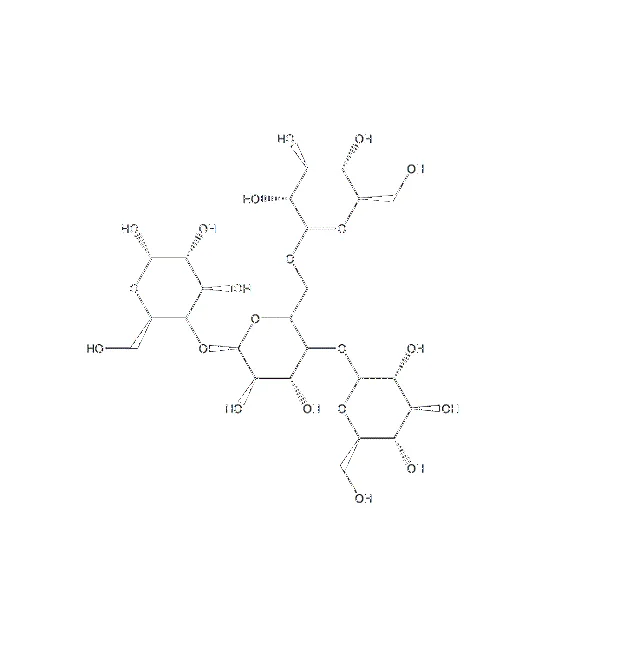
Hydroxypropyl Starch
In order to improve the properties of starch and expand its application, physical, chemical or enzymatic treatments are used to introduce new functional groups on starch molecules or alter the size of starch molecules and properties of starch granules, thereby changing the natural properties of starch (e.g. gelatinization temperature, thermal viscosity and stability, freeze-thaw stability, gel strength, film forming, transparency, etc.) To make it more suitable for certain application requirements. This kind of starch, which has changed its properties after secondary processing, is called modified starch.
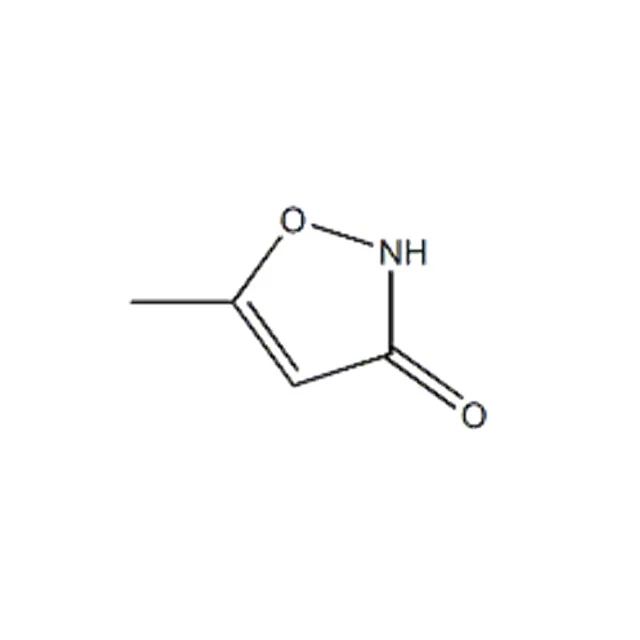
Hymexazol
Hymexazol is used worldwide as a systemic soil and seed fungicide for the control of diseases caused by Fusarium, Aphanomyces Pythium, and Corticium spp. in rice, sugarbeet, fodderbeet, vegetables, cucurbits, and ornamentals.
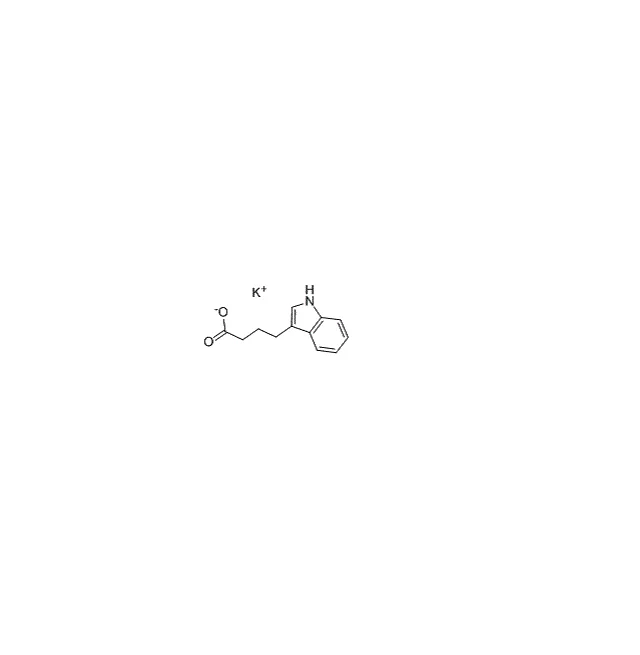
INDOLE-3-BUTYRIC ACID POTASSIUM SALT
The original medicine is pink powder or yellow crystal, easy to dissolve in water. Melting point 121-124 degrees, solubility: About 50g toxicity: acute oral rats > ld5031600mg / kg, rats > ld505000mg / kg through skin. Potassium indobutyrate is the potassium salt of indobutyrate, which has the basic effect and use of indobutyrate. The pure product is white to light yellow crystal solid, which can protect flowers and fruits and promote rooting.
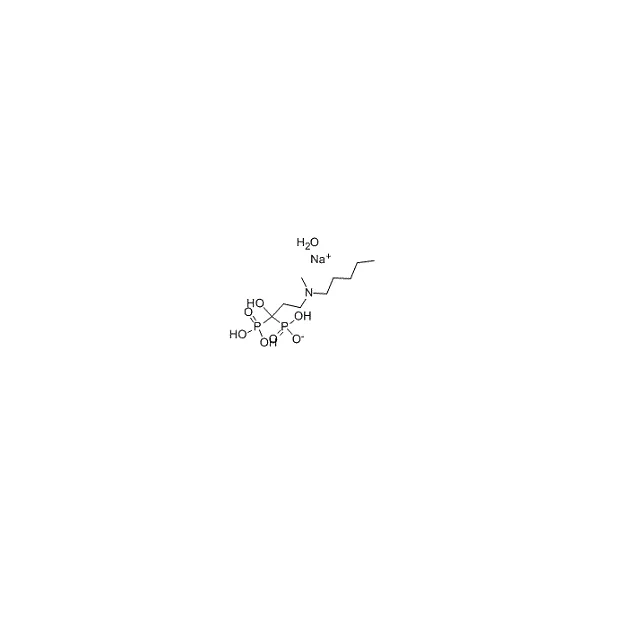
Ibandronate sodium monohydrate
Indications: This product is used for the treatment of postmenopausal osteoporosis; for the treatment of bone pain caused by osteolytic bone metastasis of malignant tumors; for the treatment of hypercalcemia caused by malignant tumors with or without bone metastasis.
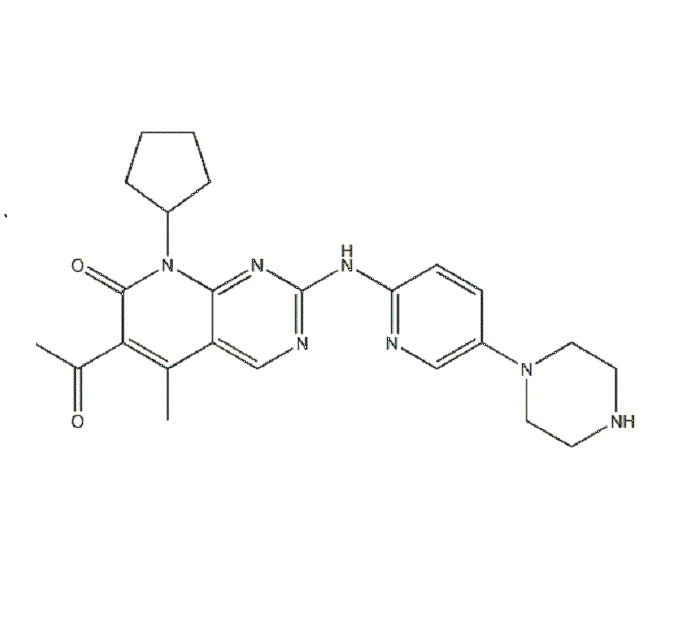
Ibrance
Palbociclib, a new breast cancer drug developed by Pfizer in the United States, is marketed as IBRANCE, an oral cyclin-dependent kinase (CDKs) 4 and 6 inhibitor, the first cyclin-dependent kinase 4/6 (cdk4/6) inhibitor approved by the us FDA. CDKs4 and 6 are key regulators of cell cycle and can trigger cell cycle progression. IBRANCE is indicated in the United States for the combination of letrozole for the treatment of estrogen receptor-positive, and human epidermal growth factor receptor-negative (ER+/ her2-negative) postmenopausal advanced breast cancer patients, as an initial endocrine-based regimen for the treatment of metastatic diseases.
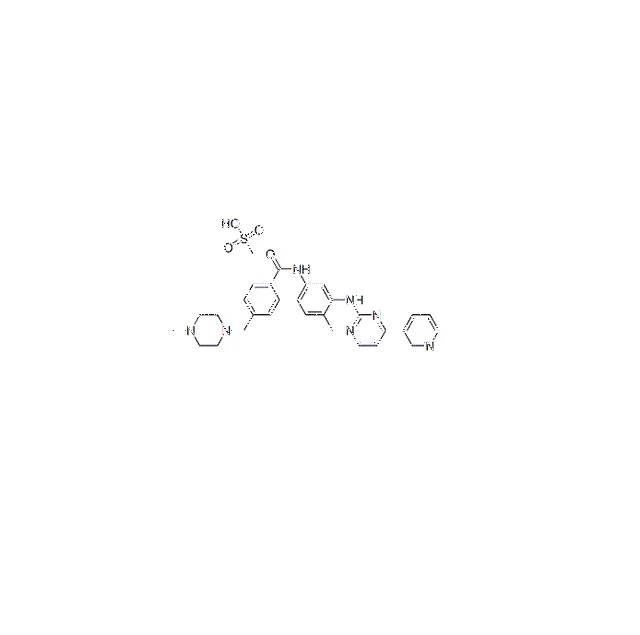
Imatinib Mesylate
Imatinib mesylate can inhibit BCR ABL tyrosine kinase in vitro and in vivo, selectively inhibit the proliferation and induce apoptosis of BCR ABL positive cell lines, chronic myeloid leukemia and fresh cells from patients with acute lymphoblastic leukemia. In addition, imatinib mesylate can also inhibit the tyrosine kinase of PDGF receptor, SCF and c-kit receptor, thus inhibiting the cell behavior mediated by PDGF and stem cell factor.
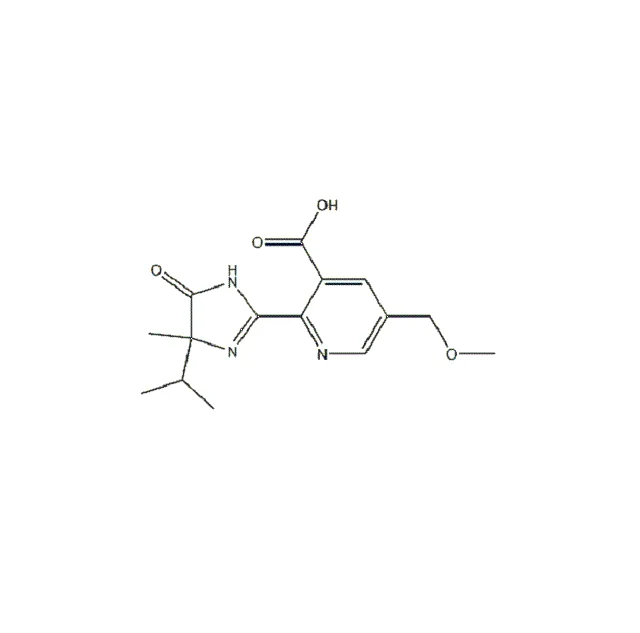
Imazamox
Imazamox (2-[4,5-dihydro-4-methyl-4-(1-methylethyl)-5-oxo-1H-imidazol-2-yl]-5- (methoxymethyl)-3-pyridinecarboxylic acid) is a systemic herbicide that moves throughout the plant tissue and prevents plants from producing a necessary enzyme, acetolactate synthase (ALS), which is not found in animals. Susceptible plants will stop growing soon after treatment, but plant death and decomposition will occur over several weeks.
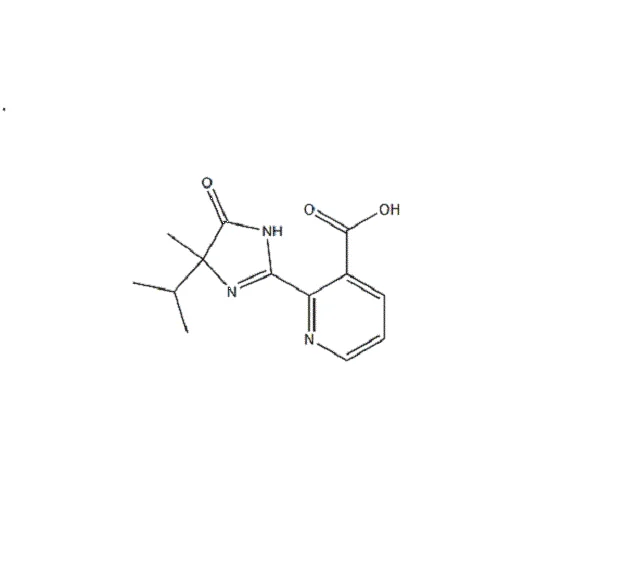
Imazapyr Acid
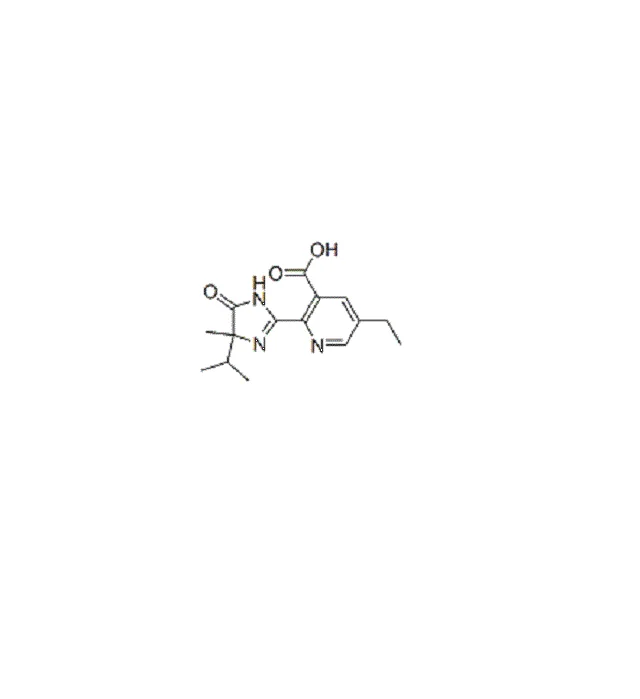
Imazapyr is a non-selective herbicide used for the control of a broad range of weeds including terrestrial annual and perennial grasses and broadleaved herbs, woody species, and riparian and emergent aquatic species. It is used to eliminate Lithocarpus densiflorus (Tan Oak) and Arbutus menziesii (Pacific Madrone).
Imbruvica
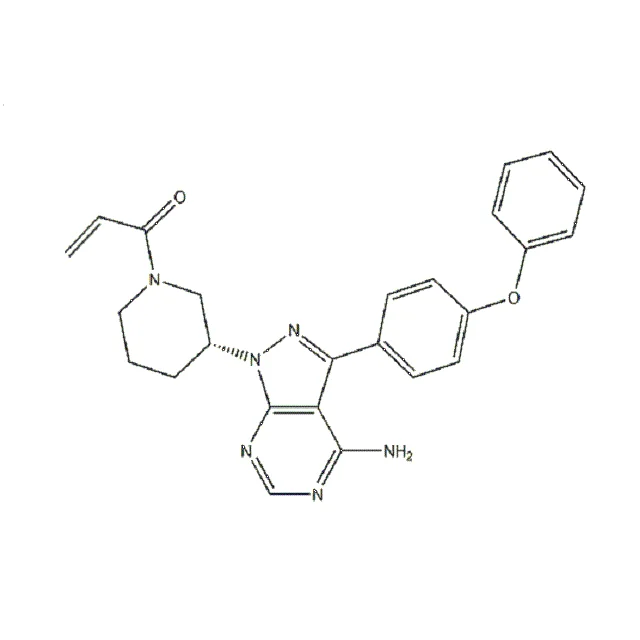
Mechanism of action: Ibrutinib is a small molecule BTK inhibitor that binds covalently to the cysteine residue of the BTK active center, thereby inhibiting its activity. BTK stands for Bruton'styrosinekinase, which transmits signals in the BCR signaling pathway and cytokine receptor signaling pathway, and mediates B cell migration, chemotaxis, and adhesion. Preclinical studies have demonstrated that Ibrutinib can inhibit the proliferation and survival of malignant B cells.
Imidacloprid
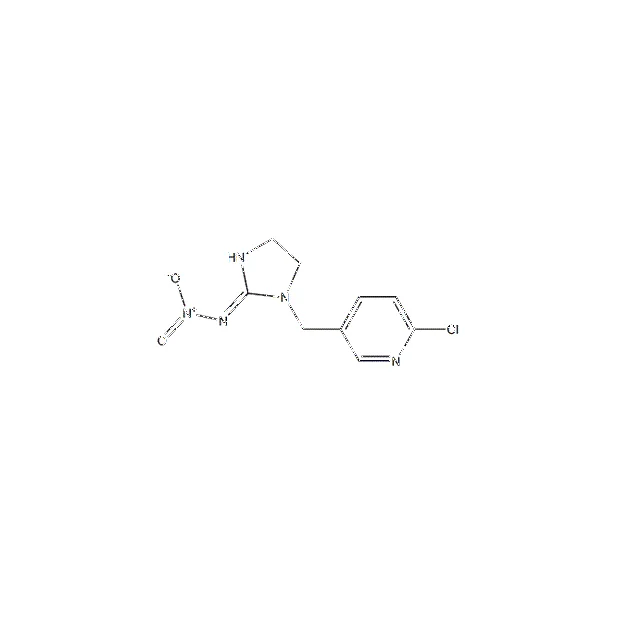
Imidacloprid, also known as mimaphid, piriujing, chlorpyrifos and Bidan, is a kind of high-efficiency and broad-spectrum insecticide with stomach toxicity and contact killing effect. It has a long period of efficacy and has a good control effect on the insect pests of the bayonet mouthparts. The drug is a new structure compound. Its action point in insect body is nicotinic acid acetylcholinesterase receptor, which interferes with the motor nervous system of insect. This mechanism is completely different from the traditional insecticide, so it has no cross resistance. The medicine is mainly used to control the thorn sucking mouthparts pests on rice, wheat, cotton and other crops.
Imidazole
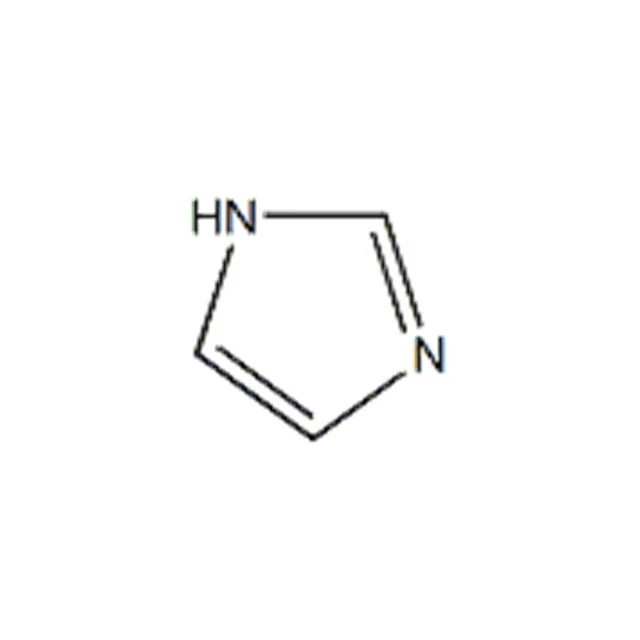
Imidazole can be used in imidzaole antifungal drug: miconazole, econazole, clotrimazole and ketoconazole. It is also the intermediate of ardiovascular drug, ingredient of perservative and curing agent of epoxy resin.