

Browse 961 Chemical Products and Raw Materials
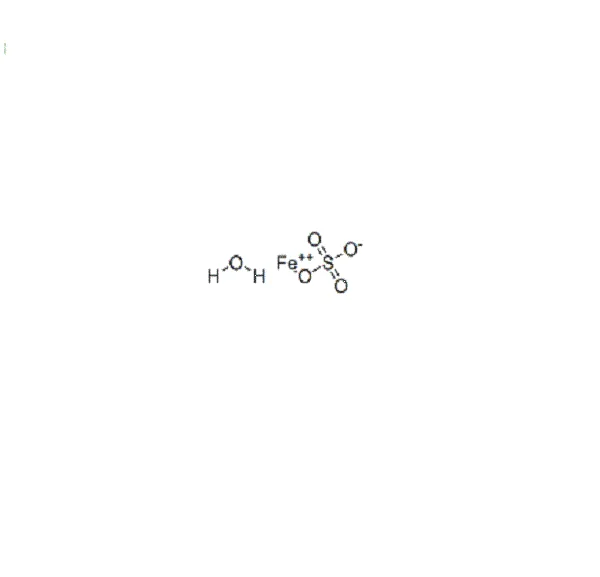
Ferrous Sulphate Monohydrate
Iron(II) sulfate (Br.E. iron(II) sulphate) or ferrous sulfate is the chemical compound with the formula
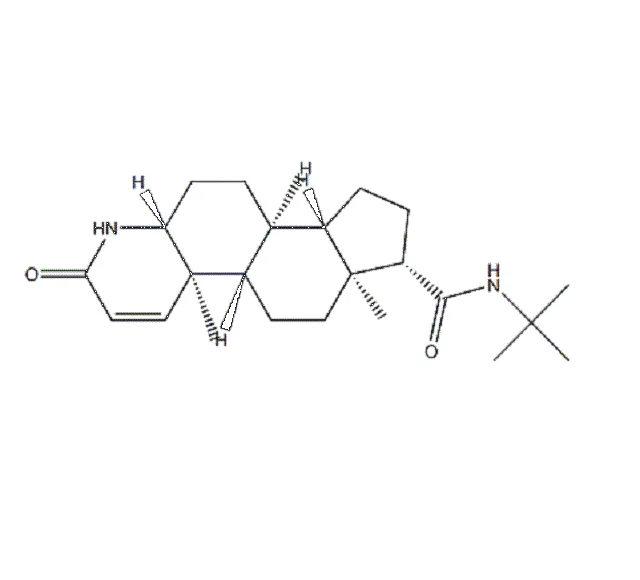
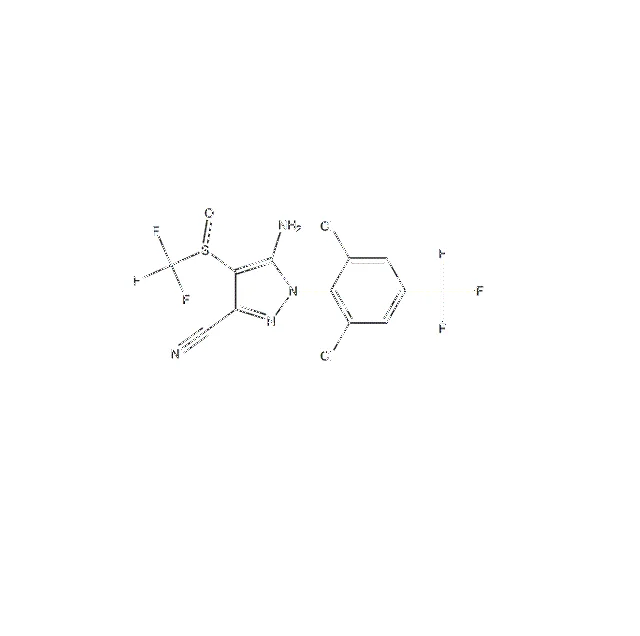
Fipronil
The pure product is white solid, m.p.200.5-201 °C, relative density 1.48-1.63, vapor pressure 3.73 × 10⁻⁷pa (2.8 × 10⁻⁷pa) (20 °C). Solubility: acetone 54.6g/100ml, dichloromethane 2.23g/100ml, methanol 13.75g/100ml, hexane and toluene 0.3g/ml, water 1.9mg/l. Partition coefficient (n-octanol / water) 4.0. It is stable under normal storage conditions, with a half-life of 135d in water and 8h in water. It is mainly used in rice, sugarcane, potato and other crops. Animal health care is mainly used to kill fleas and lice and other parasites on cats and dogs.
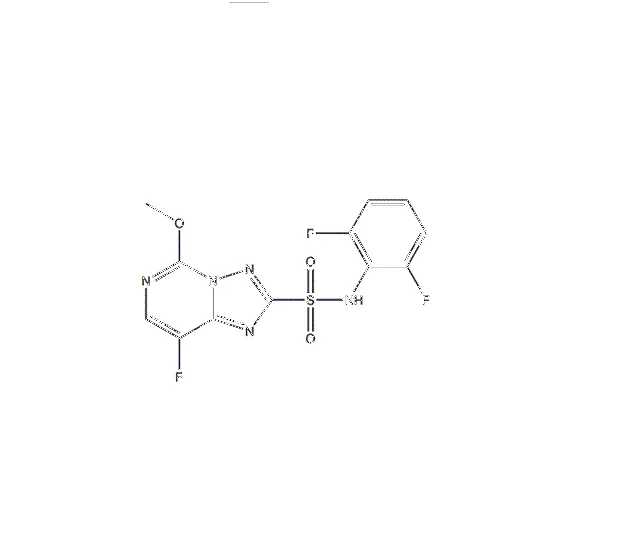
Florasulam
is a triazole and pyrimidine sulfonamide herbicide
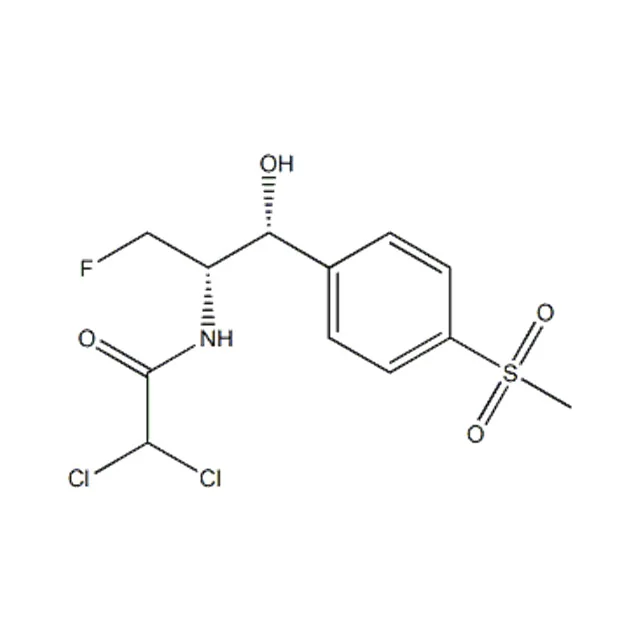
Florfenicol
Florfenicol is a fluorinated synthetic analog of thiamphenicol. florfenicol is currently indicated for the treatment of bovine respiratory disease (BRD) associated with Mannheimia (Pasteurella) haemolytica, Pasteurella multocida, and Haemophilus somnus, for treatment of bovine interdigital phlegmon (foot rot, acute interdigital necrobacillosis, infectious pododermatitis) associated with Fusobacterium necrophorum and Bacteroides melaninogenicus. Fluorine benzene nicol, can interfere with the bacterial protein synthesis, strongly absorb quickly, widely distributed in the body, long half-life, no side effects of aplastic anemia, not easy the creation bears the medicine, no residue, no cross resistance.
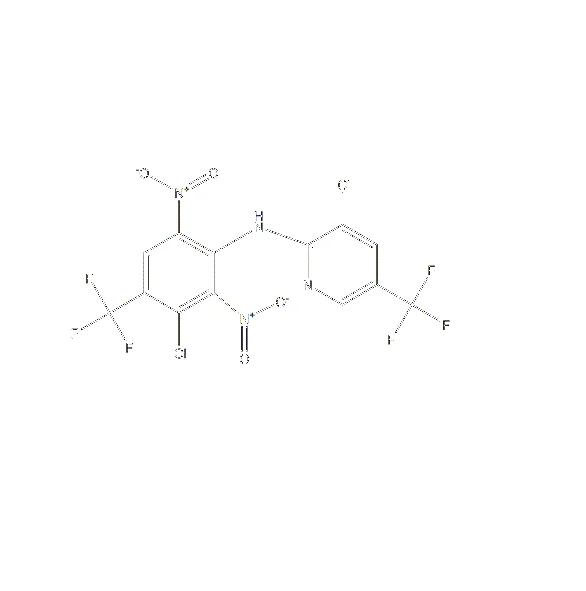
Fluazinam
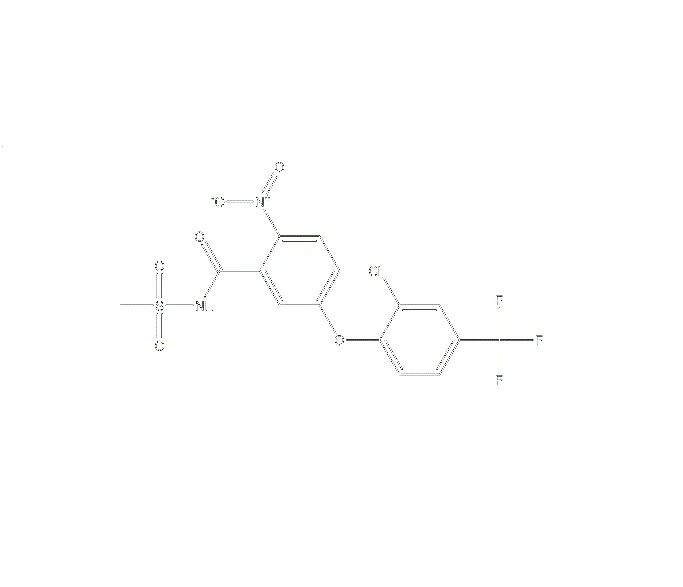
Fluazinam is a protectant fungicide, but is neither systemic or curative. It acts by inhibiting the germination of spores and the development of infection structures. Although it has activity against many fungi, it is less potent against rusts and powdery mildew and as such has not been commercialised for use in cereal crops. It is widely used to control late blight (P. infestans) in potato due to its activity against the zoospores of the pathogen which makes it particularly effective at controlling infection of the potato tubers. Despite its common usage to control late blight, there are no reports of resistance to fluazinam appearing in P. infestans. Fluazinam is also used to control Sclerotinia on peanuts and turf, Botrytis on grapes and beans and clubroot in brassicas.
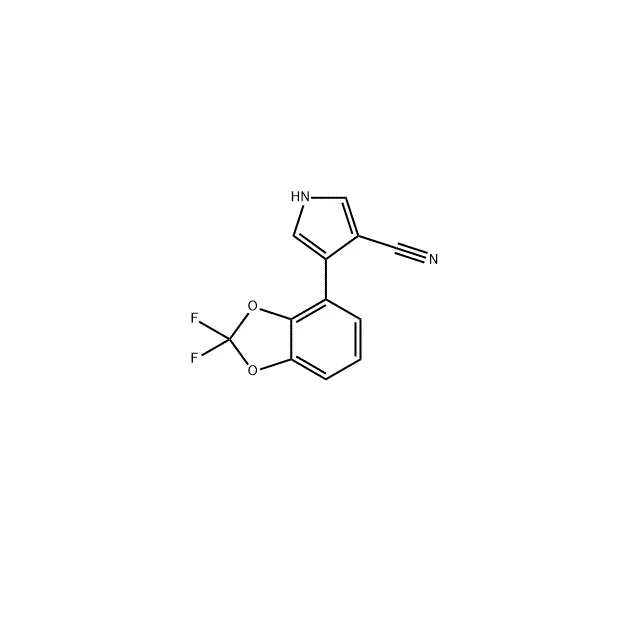
Fludioxonil
A novel broad-spectrum, non-systemic pyrrole fungicide, by inhibiting the transfer of glucose phosphorylation and inhibiting the growth of fungal mycelium, eventually leading to the death of pathogenic bacteria. It is used for the foliar treatment of wheat, barley, corn, peas, rape, rice, vegetables, grapes, lawns, and ornamental crops, to prevent and control Fusarium nivalis, Tilletia spp., Rhizoctonia solani, etc. Special effects; treatment of grain and non-grain seeds, prevention and control of seed and soil-borne pathogens, such as Alternaria, Ascodia, Aspergillus, Fusarium, Bipolaris, Rhizoctonia and Penicillium bacteria.
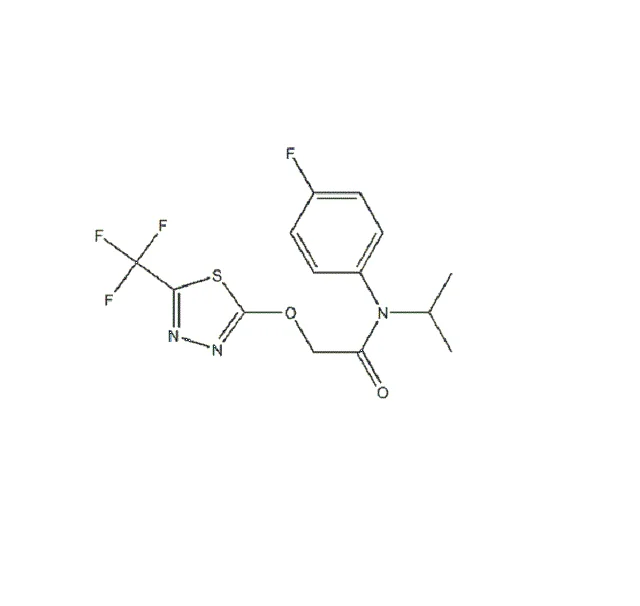
Flufenacet
Contact MOSINTER for product specifications and supply information.
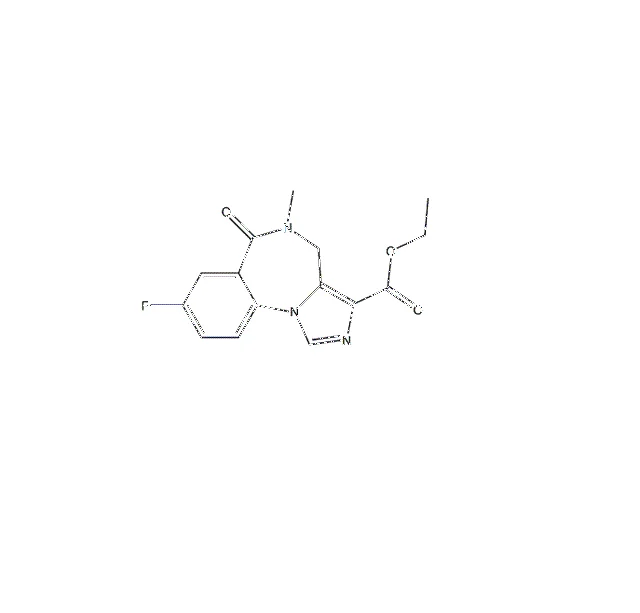
Flumazenil
The first benzodiazepine antagonist is used to resist the sedation and disorientation of benzodiazepine drugs after over dose use, and has anticonvulsant activity and antiepileptic effect. It can also be used in the recovery period after halothane anesthesia and encephalopathy due to liver hardening caused by alcoholism, as a diagnostic drug for unknown loss of mind, to identify benzodiazepines and Other drugs poisoning or brain injury.
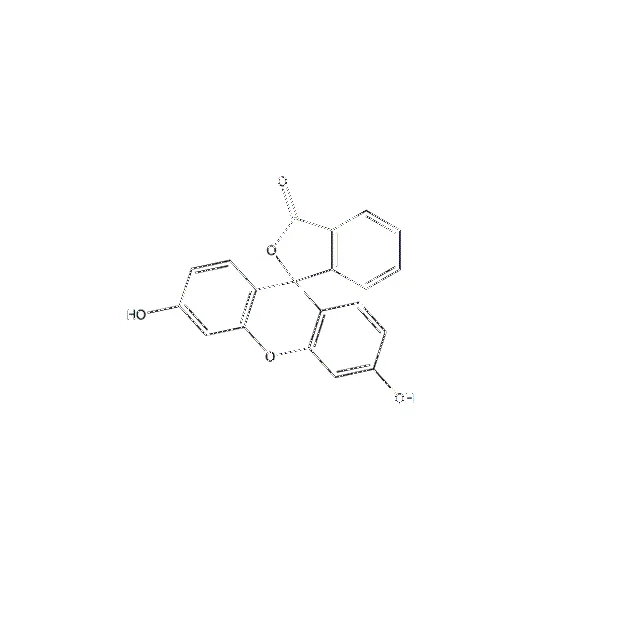
Fluorescein
Orange yellow or light orange red crystalline powder. Melting point 314-316 °C (decomposition). Soluble in hot ethanol, glacial acetic acid, alkali solution, green fluorescence, insoluble in water, benzene, chloroform and ether.

Fluorescein Sodium
Fluorescein sodium is a diagnostic drug for fundus angiography. It can not stain normal corneal epithelium, but can stain the damaged corneal epithelium green, so it can show corneal damage, ulcer and other lesions.
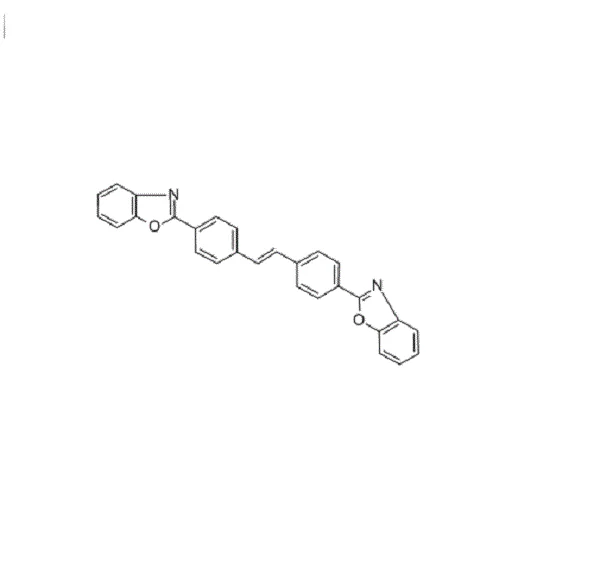
Fluorescent Brightener 393
Fluorescent Brightener 393 CAS: 1533-45-5
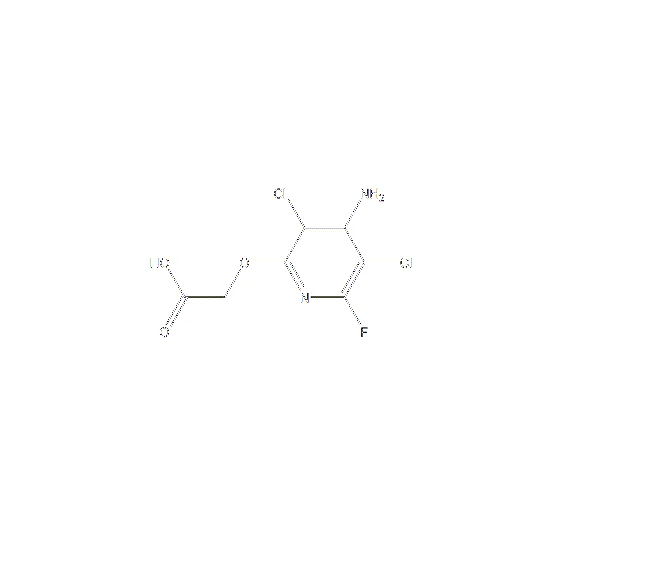
Fluroxypyr
Fluroxypyr is an herbicide in the class of synthetic auxins. It is used to control broadleaf weeds and woody brush. It is formulated as the 1-methylheptyl ester (fluroxypyr-MHE)
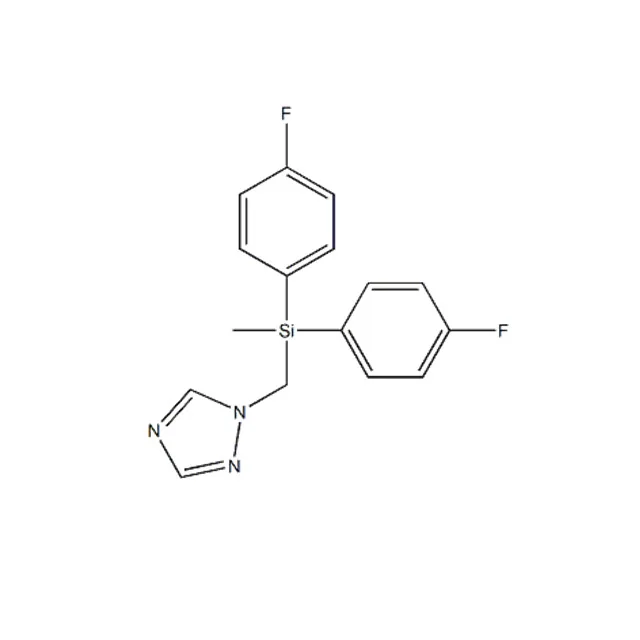
Flusilazole
Flusilazole is triazole systemic fungicide, has protective and therapeutic effects, strong permeability, disease prevention and treatment of Ascomycetes, basidiomycetes and Deuteromycetes caused.
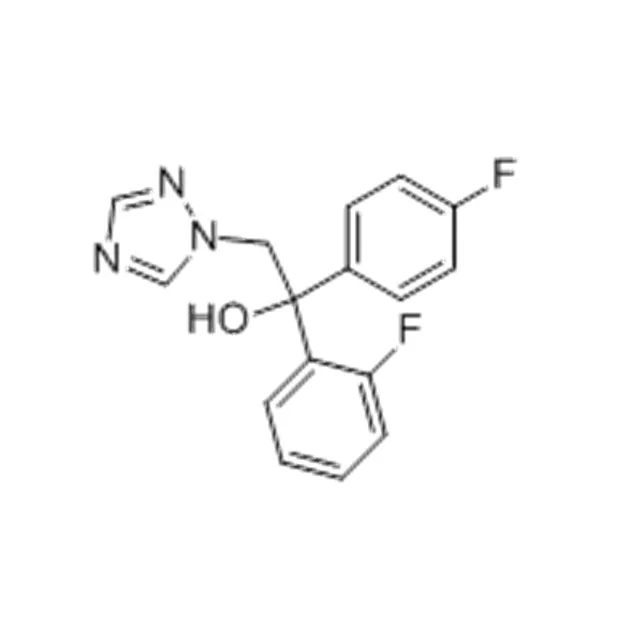
Flutriafol
Flutriafol is belongs to three triazole fungicide, a kind of sterol demethylation inhibitor,prevent and control of cereal powdery mildew.
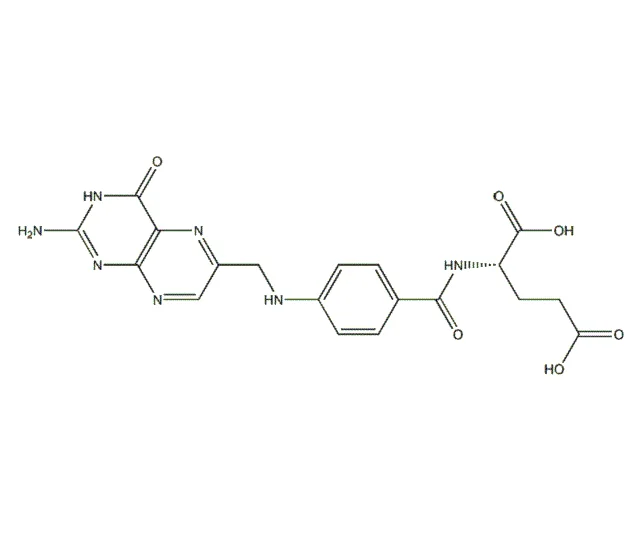
Folic Acid
is also known as vitamin B9, is a water-soluble vitamin. It is one of the vitamin B complex, equivalent to pteroylglutamic acid (pteroylglutamic acid, PGA), Mitchell (H.K.M itchell, 1941) extraction and purification from spinach leaves, so named folic acid. Have promote bone marrow cells mature, such as lack of folic acid can cause human giant red blood cell anemia, and white blood cells reduce disease, is especially important for pregnant women.
Forchlorfenuron
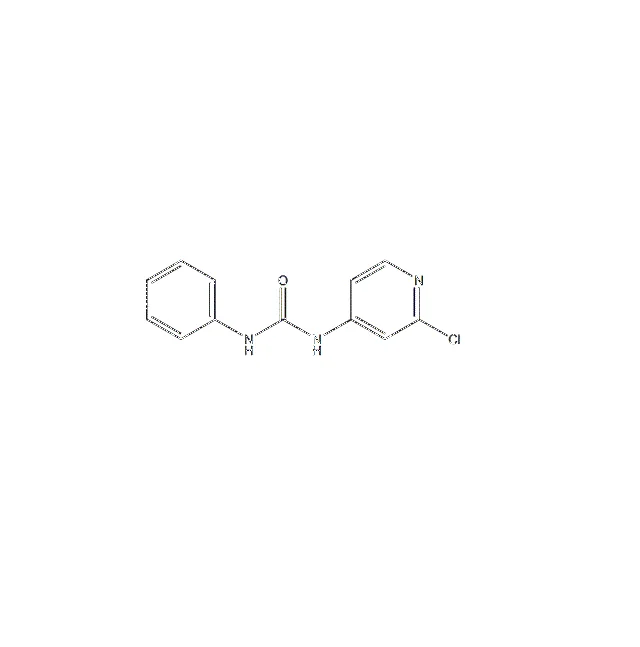
The crude drug (more than 85%) is white solid powder, m.p.168-174 °C. It is soluble in acetone, ethanol and DMSO, and its solubility in water is 65mg / L. As a plant growth regulator, it has cytokinin activity, can promote cell division, differentiation, organ formation, protein synthesis, improve photosynthesis, etc.
Fully Refined Paraffin Wax58
Information A complex combination of hydrocarbons obtained by treatment of a petroleum wax fraction with natural or modified
Fulvic Acid
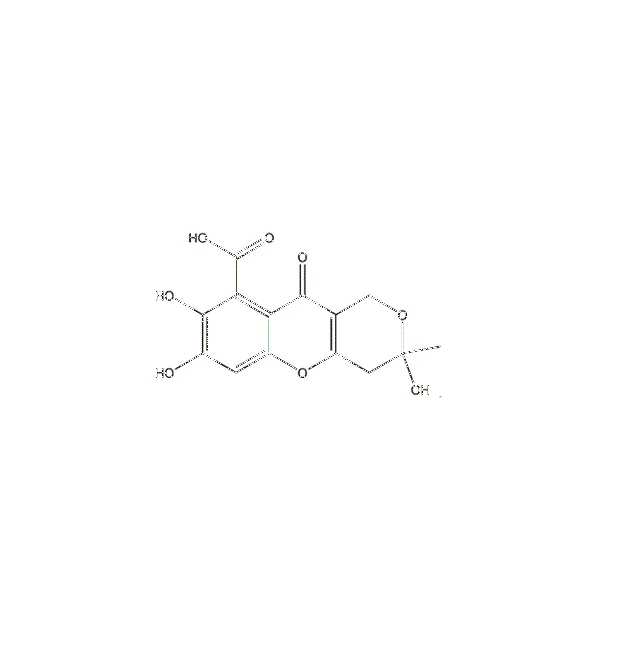
Compared with humic acid, fulvic acid has lower molecular weight, less carbon and more oxygen in its molecular structure, and higher content of acid functional group (- COOH) than humic acid. In addition, fulvic acid contains more ketone carbonyl and hydroxyl than humic acid, so it has stronger acidity in aqueous solution than humic acid. At present, the specific molecular structure of fulvic acid is not very clear. Based on the carbon skeleton structure of humus, a structure model of fulvic acid is obtained as shown in Figure 1. The carbon content of fulvic acid is generally between 40% and 50%, the hydrogen content is between 4% and 6%, and the oxygen content is between 44% and 50%.
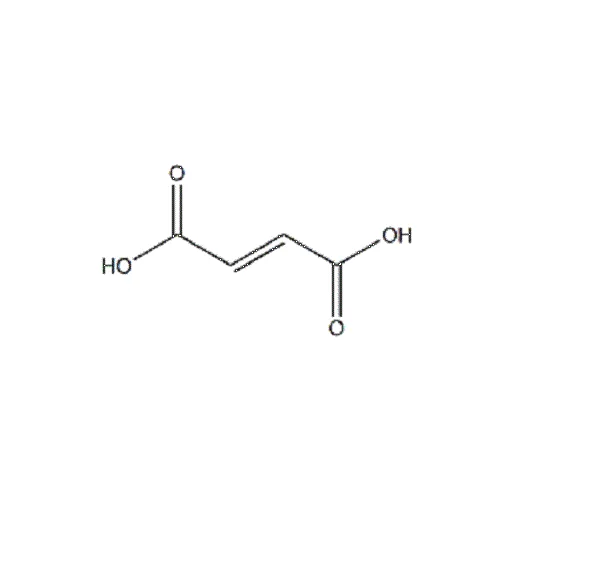
Fumaric Acid
Fumaric acid or trans-butenedioic acid is the chemical compound with the formula HO2CCH=CHCO2H. This white crystalline compound is one of twoisomeric unsaturated dicarboxylic acids, the other being maleic acid. In fumaric acid the carboxylic acid groups are trans (E) and in maleic acid they are cis (Z). Fumaric acid has a fruit-like taste. The salts and esters are known as fumarates. Dimethyl fumarate significantly reduces disability progression in multiple sclerosis.
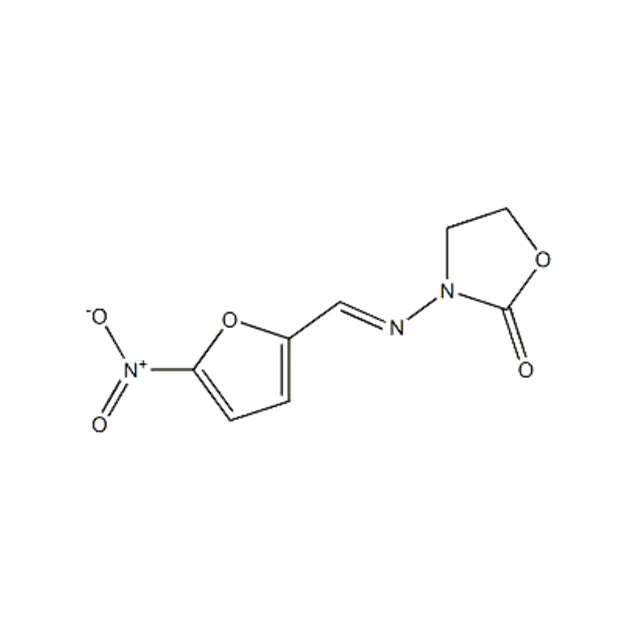
Furazolidone
Furazolidone has been used in human and veterinary medicine. In humans it has used to treat diarrhoea and enteritis caused by bacteria or protozoan infections. It has been used to treat traveler's diarrhoea, cholera and bacteremic salmonellosis. Use in treating Helicobacter pylori infections has also been proposed.As a veterinary medicine, furazolidone has been used with some success to treat salmonids for Myxobolus cerebralis infections.
GADOLINIUM
Gadolinium is a metal element, atomic number 64, atomic weight 157.25, silver white, malleable, melting point 1313 °C, boiling point 3266 °C, density 7901kg / m3. The element name comes from gadolin, a Finnish scientist who has made outstanding contributions to the study of lanthanide elements. In 1880, gadolinium was separated from maliyak, Switzerland. In 1886, the French chemist bouaberrand produced pure gadolinium and named it. Gadolinium content in the crust is 0.000636%, mainly in monazite and bastnaesite. Gadolinium is widely used in medical, industrial, nuclear and other fields.
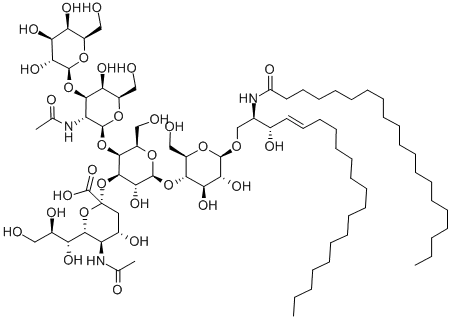
GANGLIOSIDE GM1 AMMONIUM SALT BOVINE
Ganglioside GM1 sodium salt is a specific and only receptor for cholera toxin which facilitates the toxin's transmembrane movement. Cells which lack Ganglioside GM1 can be toxin-resistant, further proving the role of this receptor in the cholera toxicity mechanism. Experiments have shown Ganglioside GM1 and bis(monoacylglycerol)phosphate (BMP) mixtures to spontaneously form small spherical vesicles of homogenous size in an energy independent manner. In addition, this receptor has been found to significantly decrease hydrogen peroxide-induced reactive oxygen species accumulation in PC-12 (sc-2250) cells. It has been shown that the reduction in reactive oxygen species is due to activation of protein kinase perceiving signal from this enzyme and tyrosine kinase Trk-receptors. We supply the Ganglioside GM1 sodium salt form.