

Other Chemical Products (187)
Showing 25–36 of 187 products · Page 3 of 16
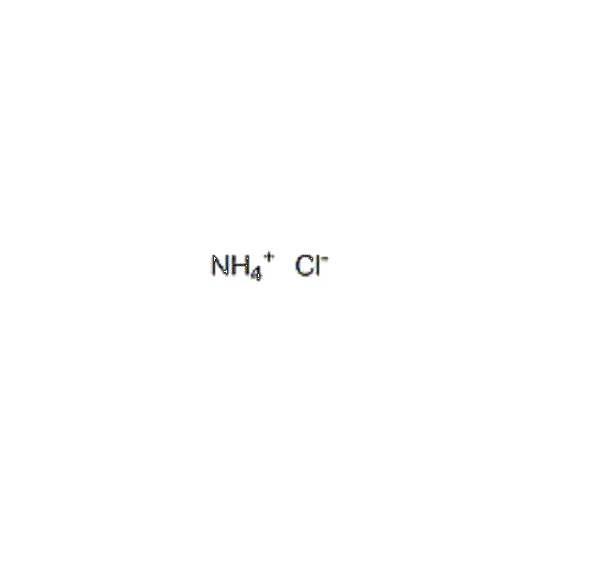
Ammonium Chloride
Contact MOSINTER for product specifications and supply information.
Ammonium Dimolybdate
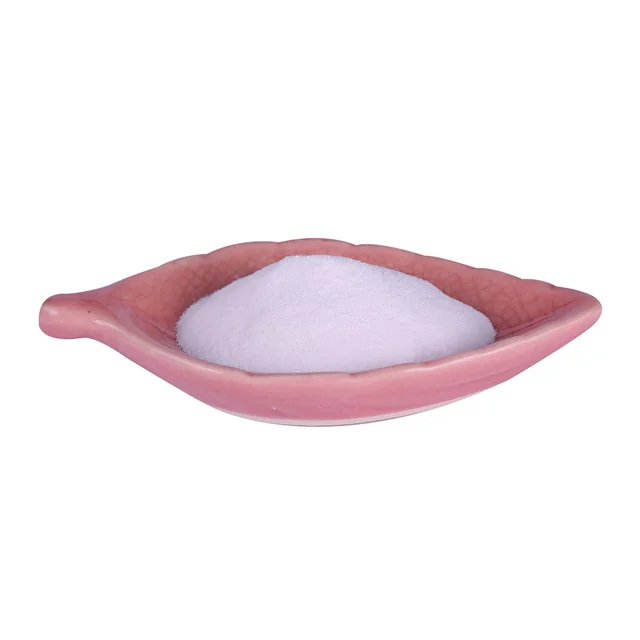
White crystalline powder, easily soluble in water, insoluble in alcohol and acetone. It is mainly used as raw material for preparing molybdenum powder, making ceramic pigments and other molybdenum compounds.
Ammonium Octamolybdate
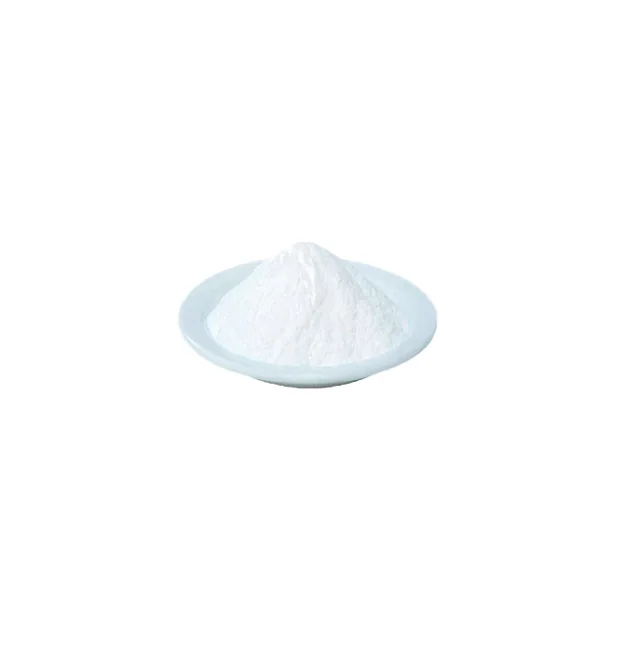
The product is white powder, soluble in ammonia water and alkali solution. Dissolve 0.4g in one hundred milliliters of water at 25°C (77℉). The density is 3.18g/cm2. industrial use. Plastic flame retardant for nylon, rubber.
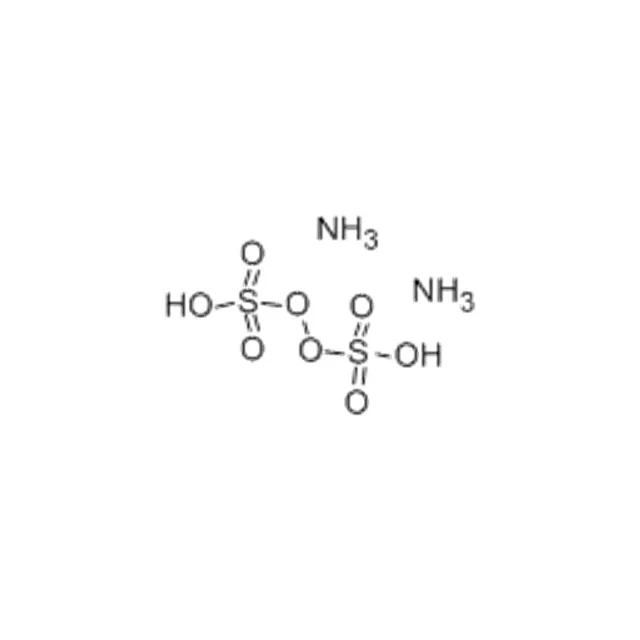
Ammonium Persulfate
Ammonium persulfate (APS) is the inorganic compound with the formula (NH4)2S2O8. It is a colourless (white) salt that is highly soluble in water, much more so than the related potassium salt. It is a strong oxidizing agent that is used in polymer chemistry, as an etchant, and as a cleaning and bleaching agent.
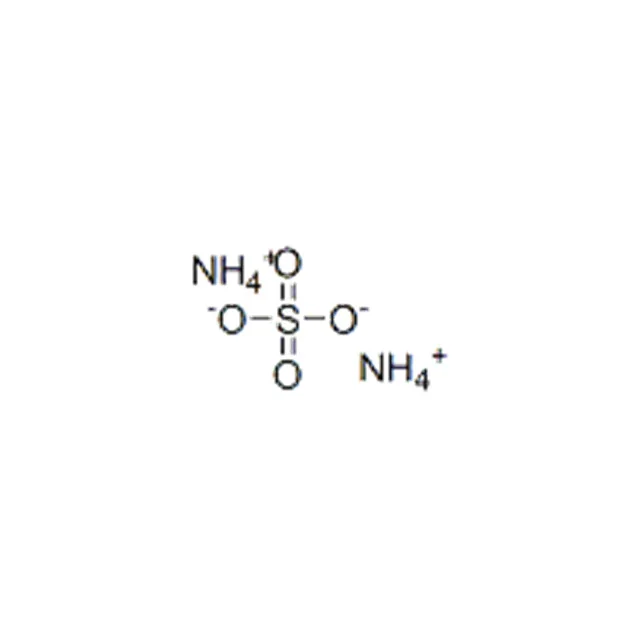
Ammonium Sulphate
Ammonium sulfate (IUPAC-recommended spelling; also ammonium sulphate in British English), (NH4)2SO4, is an inorganic salt with a number of commercial uses. The most common use is as a soil fertilizer. It contains 21% nitrogen and 24% sulfur. It is also used as an agricultural spray adjuvant for water soluble insecticides, herbicides, and fungicides.
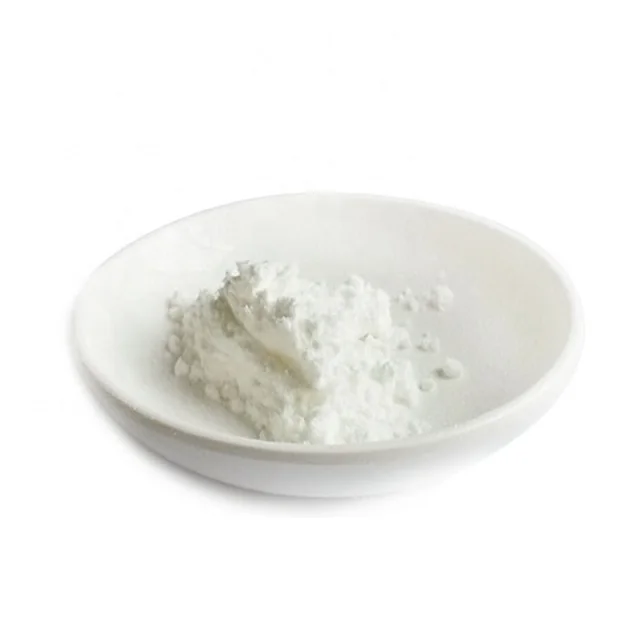
Ammonium Tetramolybdate
Ammonium tetramolybdate, commonly known as AQM, is slightly soluble in water, soluble in alkali and ammonia water, and insoluble in alcohol. It is often used to produce hydrogenation, desulfurization and other petroleum refining catalysts, trace element fertilizers, and raw materials for the manufacture of ceramic pigments, pigments and other molybdenum compounds.
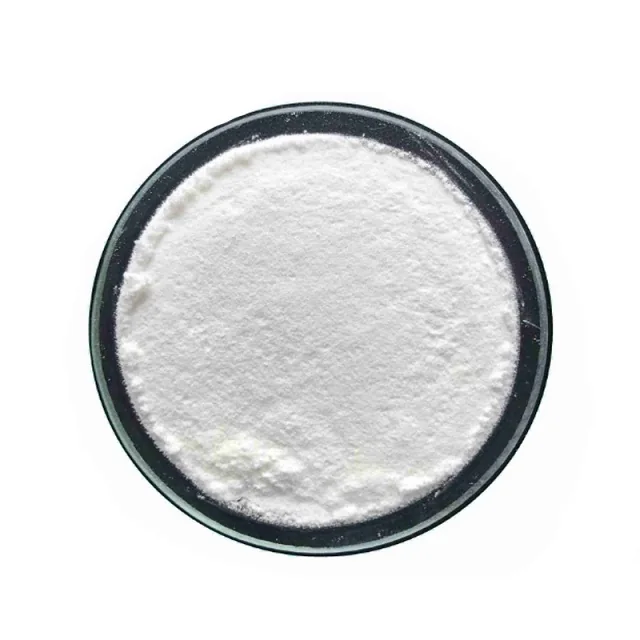
Antipyrine
Colorless crystal or white crystalline powder. Melting point 114 °C, boiling point 319 °C (98.8kPa), 211-212 °C (1.33kPa), relative density 1.0747 (20/4 °C), refractive index 1.5697. Soluble in benzene, ethanol, water, chloroform, slightly soluble in ether. Odorless, slightly bitter. This product is an antipyretic and analgesic drug, which has strong antipyretic, analgesic, anti-inflammatory and anti rheumatic effects. It is an analytical reagent. It is used for the analysis of nitric acid, nitrite and iodine, the determination of elements forming complex cation, and the gravimetric determination of titanium.
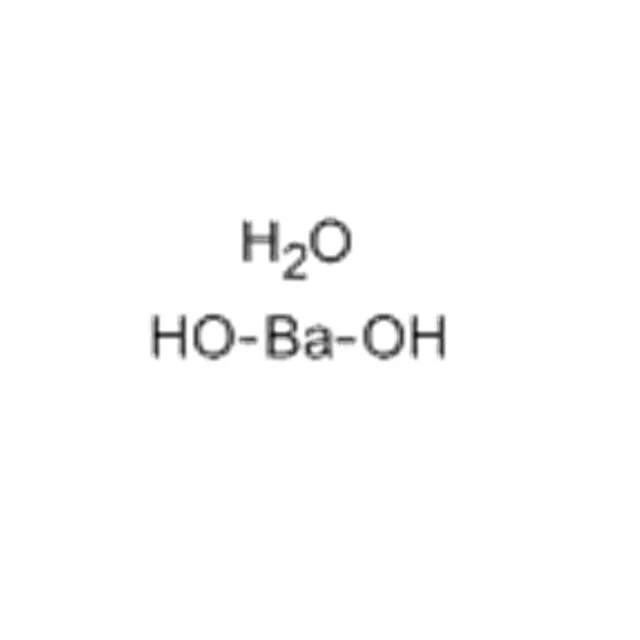
Barium Hydroxide Monohydrate
Barium hydroxide is the chemical compound with the formula Ba(OH)2. Also known as baryta, or baryta-water, it is one of the principal compounds ofbarium. The white granular monohydrate is the usual commercial form. Barium hydroxide is used in analytical chemistry for the titration of weak acids, particularly organic acids. Its clear aqueous solution is guaranteed to be free of carbonate, unlike those of sodium hydroxide and potassium hydroxide, as barium carbonate is insoluble in water. This allows the use of indicators such as phenolphthalein or thymolphthalein (with alkaline colour changes) without the risk of titration errors due to the presence ofcarbonate ions, which are much less basic.
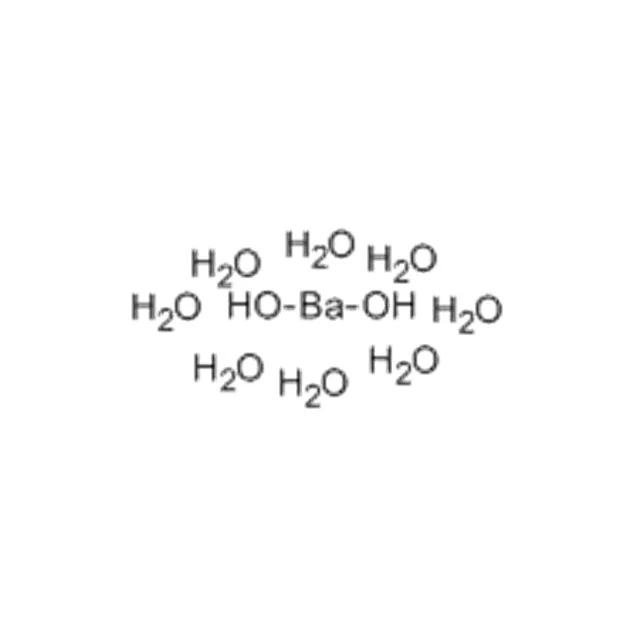
Barium Hydroxide Octahydrate
Barium hydroxide is used in analytical chemistry for the titration of weak acids, particularly organic acids. Its clear aqueous solution is guaranteed to be free of carbonate, unlike those of sodium hydroxide and potassium hydroxide, asbarium carbonate is insoluble in water. This allows the use of indicators such as phenolphthalein or thymolphthalein(with alkaline colour changes) without the risk of titration errors due to the presence of carbonate ions, which are much less basic. Barium hydroxide is used in organic synthesis as a strong base, for example for the hydrolysis of esters and nitriles.
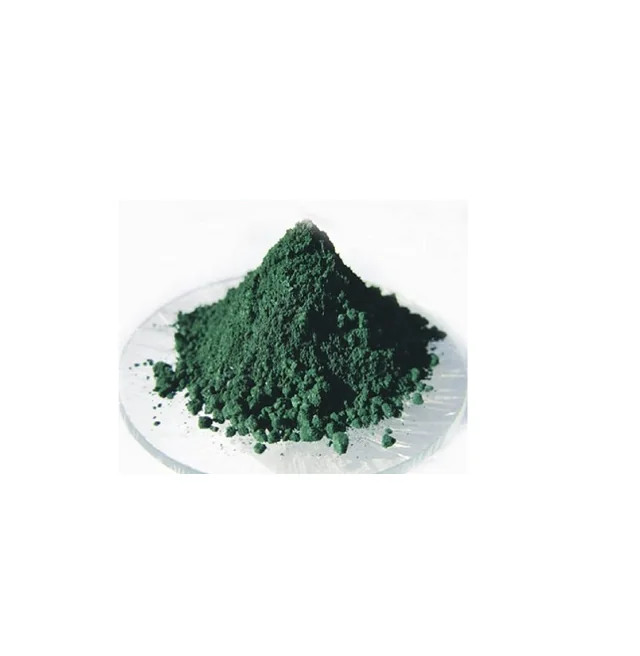
Basic Green 4
Green with sparkling crystals. Soluble in water, easily soluble in ethanol, all are blue-green. The dye is yellow in concentrated sulfuric acid, and turns dark orange after dilution; orange in concentrated nitric acid, orange-brown after dilution; sodium hydroxide is added to its aqueous solution to produce a white precipitate with green light. Dyeing at high temperature (120°C), the shade does not change. Dyeing on acrylic with light fastness class 4-5. is a synthetic dye and antibacterial agent that is potentially carcinogenic. It can be used as a biological stain to dye cells or tissue into blue-green for easy study under the microscope. Also used as a dye for silk, leather and paper.
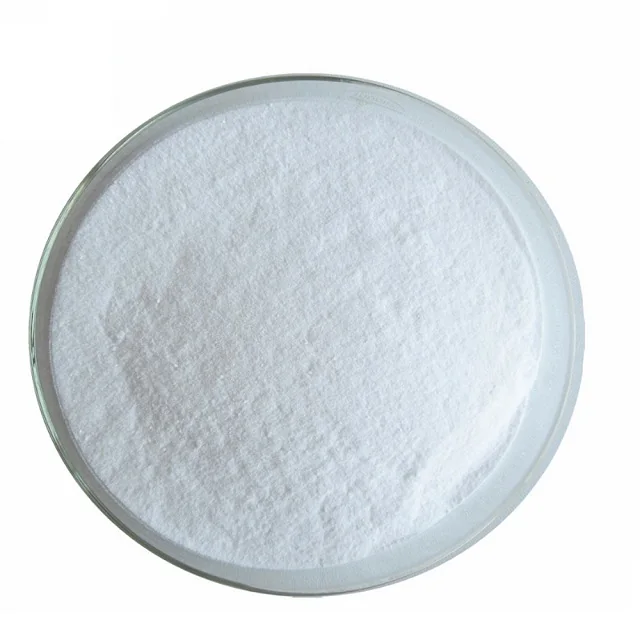
Bentonite Powder Montmorillonite
Bentonite, also known as bentonite, bentonite, and bentonite, is a kind of clay or clay rock with montmorillonite as the main mineral component. The name given by American scholar W.C. Knight in 1898 when he studied the Cretaceous argillaceous rocks near Wyoming, USA. Bentonite is mainly composed of water-containing aluminosilicate minerals. In addition to the main mineral montmorillonite, it also often contains clay minerals such as illite, kaolinite, chlorite, halloysite, beidellite, etc. The associated components include zeolite minerals and calcite, quartz, feldspar, Glass debris, rock debris, etc.
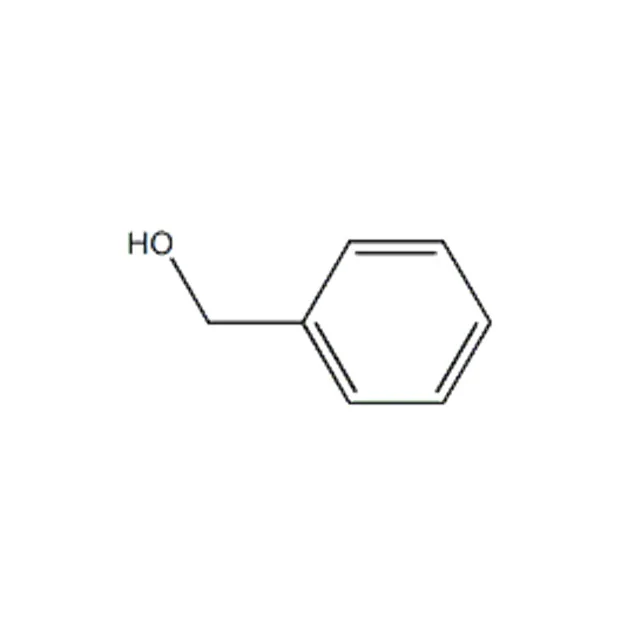
Benzyl Alcohol
Benzyl alcohol is used as a general solvent for inks, paints, lacquers, and epoxy resin coatings. It is also a precursor to a variety of esters, used in the soap, perfume, and flavor industries. It is also used as a photographic developer.