

Other Chemical Products (187)
Showing 13–24 of 187 products · Page 2 of 16
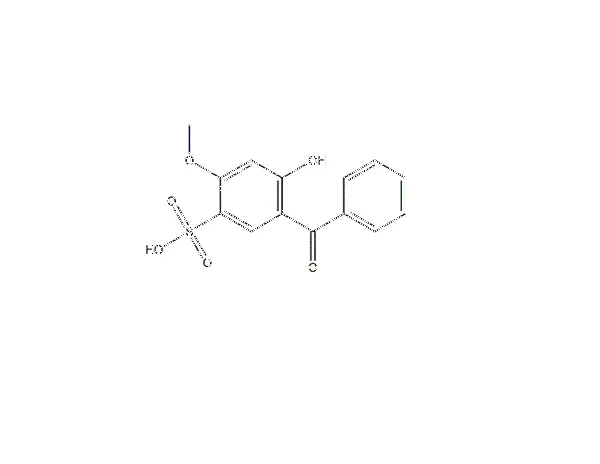
2-Hydroxy-4-methoxybenzophenone-5-sulfonic Acid
Is A broad-spectrum UV absorber, absorption with high efficiency, non-toxic side effects, no
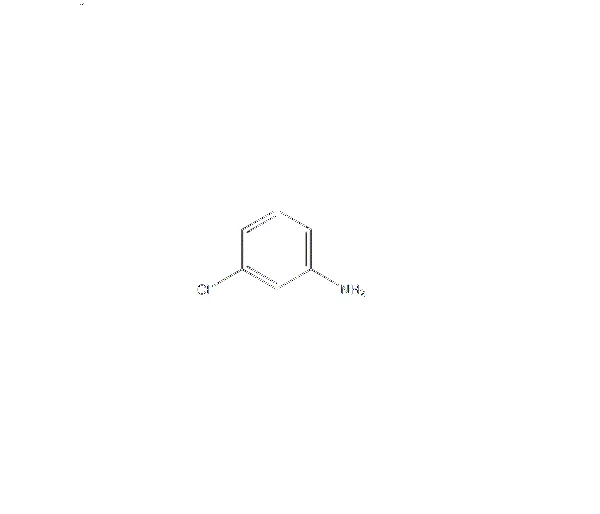
3-Chloroaniline
3-Chloroaniline is a kind of chemicals. Colorless liquid to light amber liquid. Toxic, main USES,
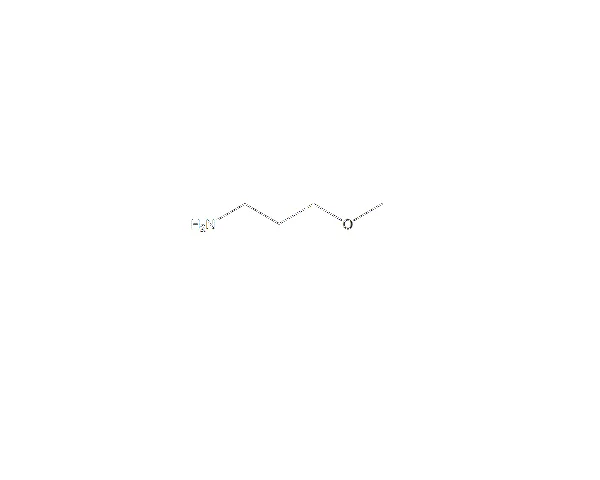
3-Methoxypropylamine
Rat peritoneal LD50:180 mg/kg, in addition to this is not reported in the description of the toxic effects of other lethal dose values.
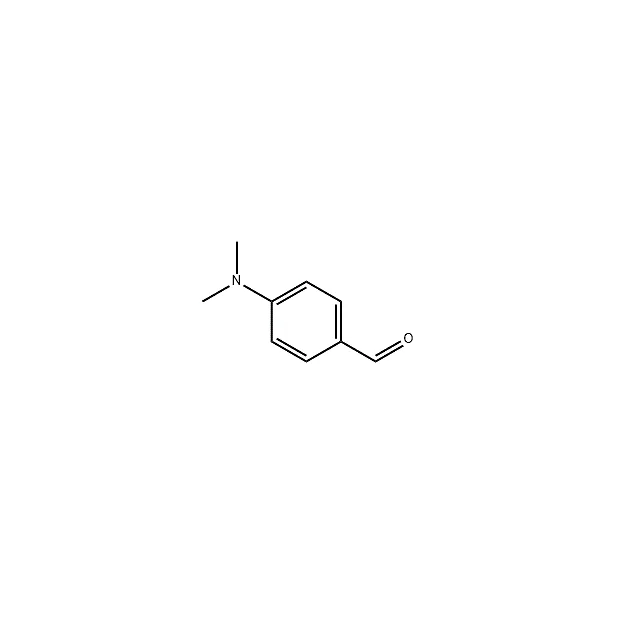
4-Dimethylaminobenzaldehyde
4-Dimethylaminobenzaldehyde is an organic intermediate, white or light yellow leaf crystal or powder. The melting point is 74°C, the boiling point is 176-177°C (2.27kPa), and the flash point is 164 °C . Soluble in alcohol, ether, acetone, chloroform and acetic acid, slightly soluble in water. It has a benzaldehyde-like odor and turns red when exposed to light. , which can be prepared from N,N-dimethylaniline and DMF. Dye intermediates and analytical reagents. This product is used for the determination of indole, skatole, urinary blue mother, tryptophan and ergot alkaloid, etc., and also used to distinguish serum rash and scarlet fever. In terms of dyes, it can be used to synthesize pressure-sensitive dyes. Also used in the production of cationic brilliant red G.
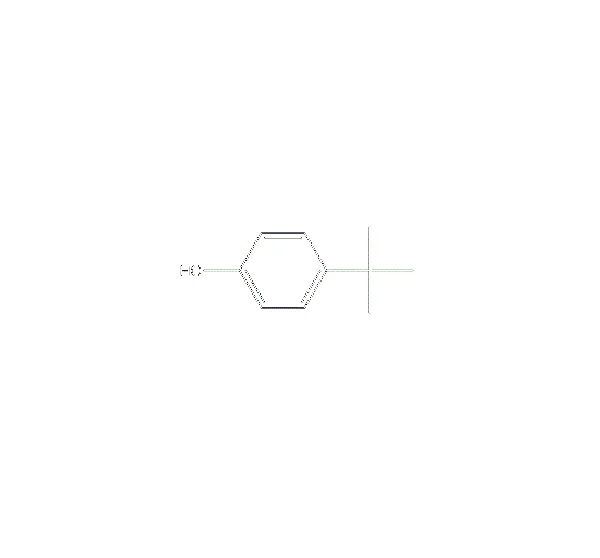
4-Tert-Butylphenol
Molecular Weight: 150 Molecular Formula: C10H14O Quality Standard: Q/AWH01—2010 Use: The product with antioxidant properties for polycarbonate resins, tert-butyl phenolic resin,
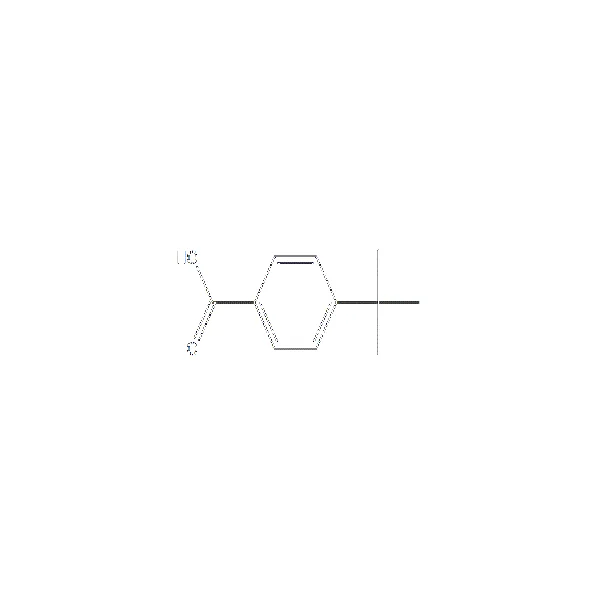
4-tert-Butylbenzoic Acid
Organic synthesis intermediates. Used in the production of alkyd resin modifier, cutting oil, lubricating oil
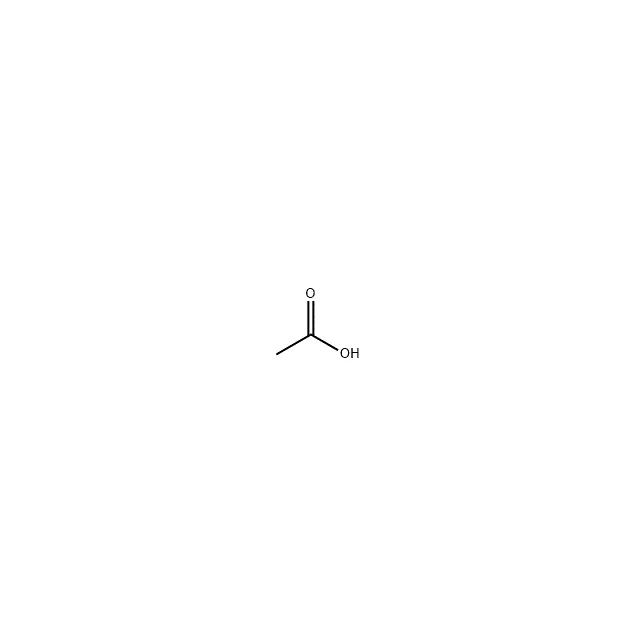
Acetic Acid
Acetic acid, also called acetic acid and glacial acetic acid, has the chemical formula CH3COOH, which is an organic monobasic acid and is the main component of vinegar. Pure anhydrous acetic acid (glacial acetic acid) is a colorless hygroscopic solid with a freezing point of 16.6°C (62°F). After solidification, it becomes a colorless crystal. Its aqueous solution is weakly acidic and highly corrosive. The steam is irritating to the eyes and nose. Sexual effect.
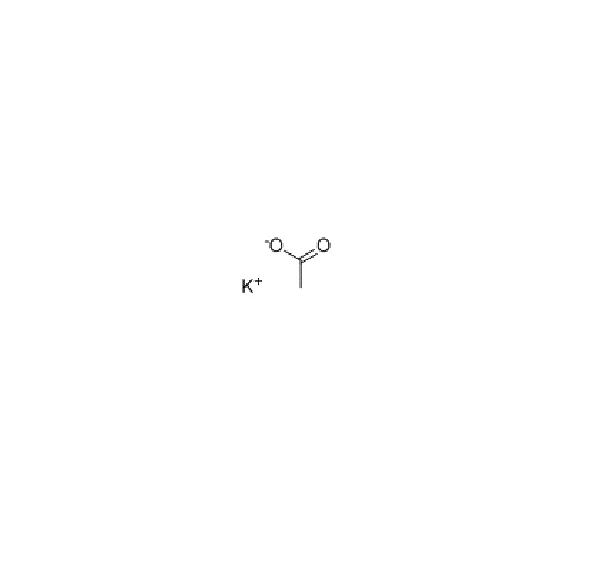
Acetic Acid Potassium Salt
Pharmaceutical Acetic acid, potassium salt quality index
Acrylamide
Acrylamide (or acrylic amide) is a chemical compound with the chemical formula C3H5NO.
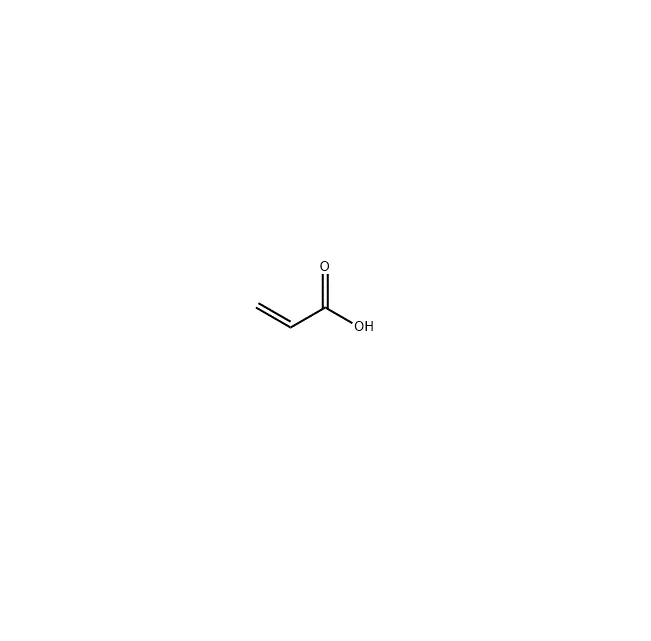
Acrylic Acid
Acrylic acid is the simplest unsaturated carboxylic acid, and its molecular structure is composed of a vinyl group and a carboxyl group. Pure acrylic acid is a colorless, clear liquid with a characteristic pungent odor. The density is 1.0511. The melting point is 14°C. The boiling point is 140.9°C. Strong acidity. Corrosive. Soluble in water, ethanol and ether. The chemical nature is lively. Easy to polymerize into transparent white powder. Propionic acid is generated during reduction. When added with hydrochloric acid, 2-chloropropionic acid is generated. Used in the preparation of acrylic resins, etc., and also in other organic synthesis. It can be obtained by oxidation of acrolein or by hydrolysis of acrylonitrile. It can also be synthesized by acetylene, carbon monoxide and water, or by pressure oxidation of ethylene and carbon monoxide.
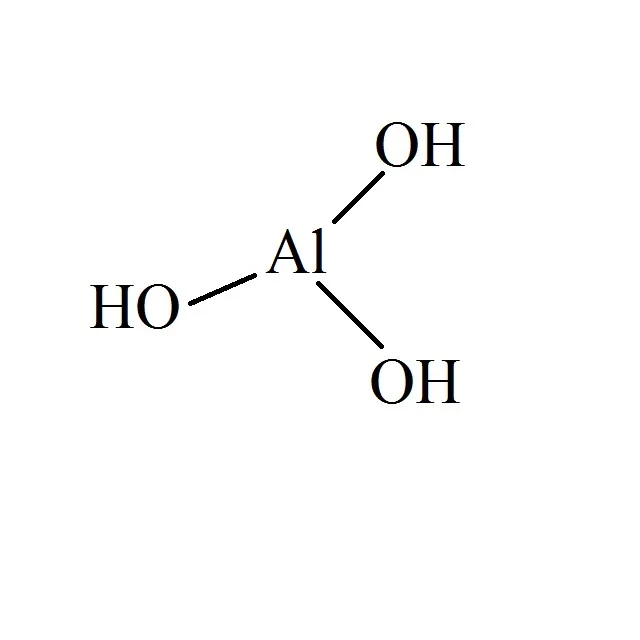
Aluminum Hydroxide
Aluminum hydroxide is a white solid, insoluble in water, soluble in acid or alkali, and is a typical amphoteric hydroxide. After it is heated and dehydrated in the air, it can be transformed into alumina, which is of great significance to alumina production. Aluminum hydroxide is a widely used chemical product, mainly used as fillers for plastics and polymers, flame retardants and binders for carpets, fillers for epoxy resins, color fillers and coatings for papermaking, and production of sulfuric acid Aluminum, alum, aluminum fluoride, sodium aluminate, synthetic molecular sieves, fillers for toothpaste, glass ingredients, and its gel liquid and dry gel are used as antacids in medicine, neutralizing gastric acid and protecting ulcers It is used to treat stomach and duodenal ulcers and hyperacidity.
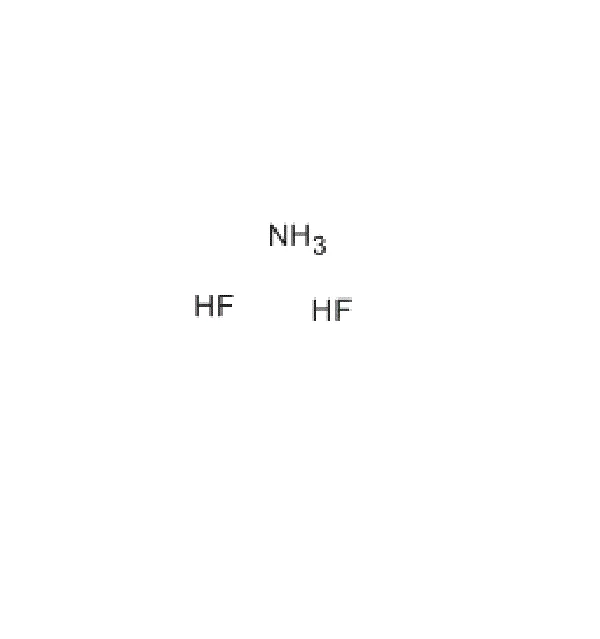
Ammonium Bifluoride
Ammonium hydrogen fluoride is the inorganic compound with the formula NH4HF2 or NH4F·HF. It is produced from ammonia and hydrogen fluoride. This colourless salt is a glass-etchant and an intermediate in a once-contemplated route to hydrofluoric acid.