


Water Treatment Chemicals (21)
Showing 13–21 of 21 products · Page 2 of 2
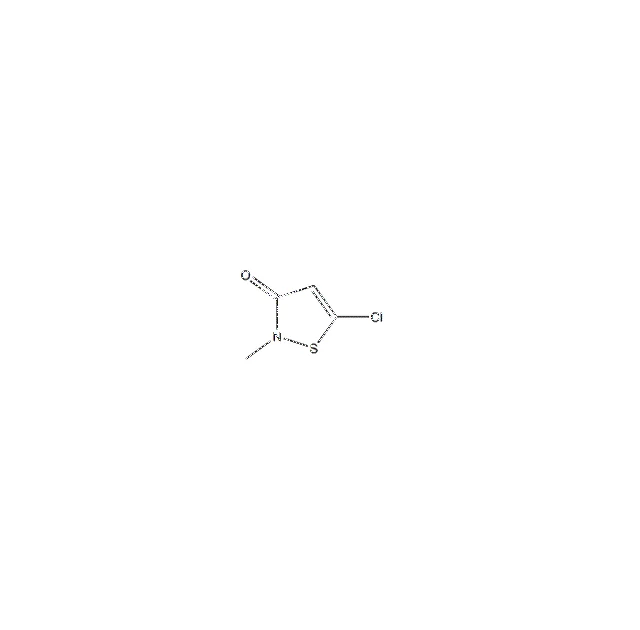
Isothiazolinones
Isothiazolinone is a kind of excellent water treatment agent with good miscibility. It can be miscible with various corrosion inhibitors, scale inhibitors and dispersants such as chlorine, most anionic, cationic and non-ionic surfactants. The commodities on the market are usually a mixture of 5-chloro-2-methyl-4-isothiazoline-3-one (CMI) and 2-methyl-4-isothiazoline-3-one (MI), and metal nitrite will also be added Or metal nitrate, improve stability and prevent decomposition. Isothiazolinone has a killing effect by breaking the bond between bacteria and algae protein. After contacting with microorganism, it can quickly and irreversibly inhibit its growth, thus leading to the death of microbial cells. For common bacteria (sulfate reducing bacteria, sludge forming bacteria), fungi (iron oxide bacteria, mold, yeast bacteria), it can not only reduce the growth of bacteria, but also reduce the growth of bacteria , algae and so on have strong inhibition and killing effect. It has the characteristics of high killing efficiency, good degradation, no residue, safe operation, good compatibility, strong stability and low cost. At high dosage, it has significant effect on biological slime stripping. At present, it has been widely used in iron and steel smelting, oilfield water injection, thermal power generation, paper making, oil refining, chemical industry, light textile, industrial cleaning, pesticide, cutting oil-water coating, daily chemical industry, ink, dye, leather and other fields.
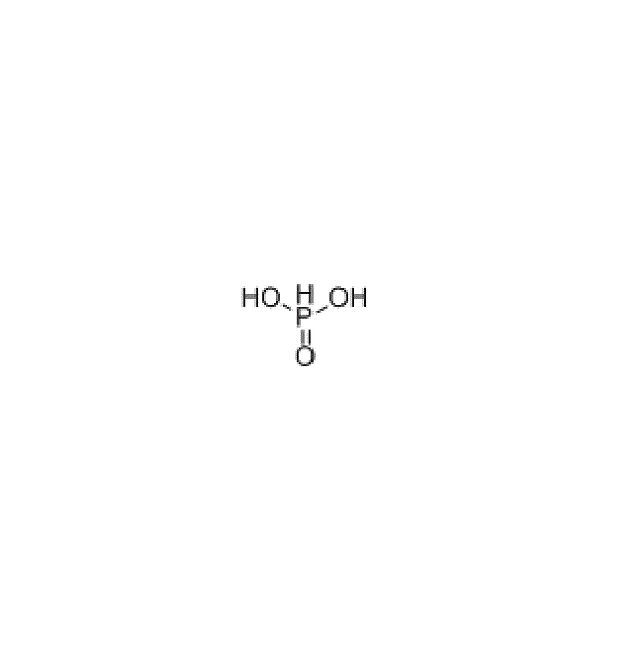
Phosphorous Acid
Phosphite is an inorganic compound with the chemical formula of h3po3 and molecular weight of eighty-two 。 Soluble in water and alcohol. It is slowly oxidized into phosphoric acid in the air and decomposed into phosphoric acid and phosphine (highly toxic and explosive) when heated to 180 °C. Phosphoric acid is a binary acid, its acidity is slightly stronger than phosphoric acid, it has strong reducibility, it is easy to reduce silver ions to metallic silver, and it can reduce sulfuric acid to sulfur dioxide. It has strong hygroscopicity, deliquescence and corrosiveness. Phosphite is mainly used as reducing agent, nylon brightener, raw material of phosphite, pesticide intermediate and organic phosphorus water treatment agent.
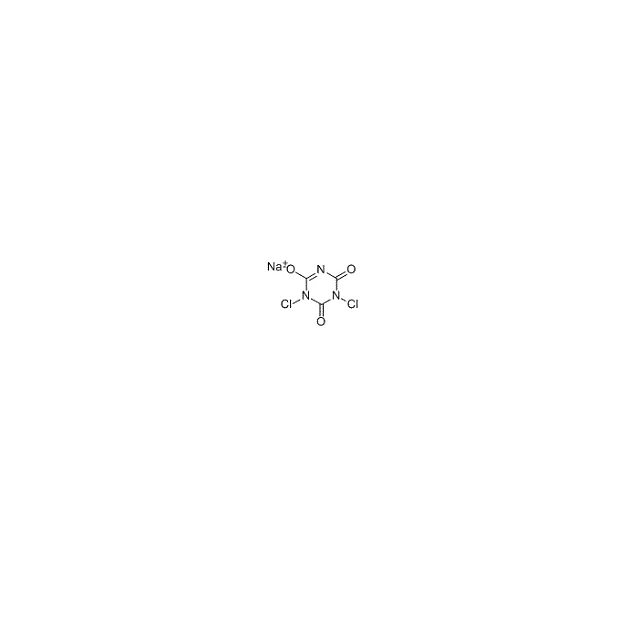
Sodium Dichloroisocyanurate
White crystalline powder with strong chlorine smell, containing 60% - 64.5% effective chlorine. It is stable and can be stored in hot and humid areas, with the available chlorine content decreasing only about 1%. Soluble in water, 25% (25 °C ). The pH value of 1% aqueous solution is 5.8-6.0, the concentration is increased, and the change of pH value is very small. The hydrolysis constant of hypochlorite is 1 × 10⁻⁴, which is higher than that of chloramine t. The stability of aqueous solution is poor, and the loss of effective chlorine is accelerated under the action of ultraviolet. Low concentration can quickly kill all kinds of bacteria, fungi and viruses, which has special effect on hepatitis virus. It has the characteristics of high chlorine content, strong bactericidal effect, simple process and low price. The toxicity of sodium dichloroisocyanurate is lower and its bactericidal effect is better than that of bleaching powder and chloramine-t. When metal reducing agent or acid synergist is mixed with potassium permanganate and sodium dichloroisocyanurate dry powder, chlorine fumigant or acid chlorine fumigant can be made. This kind of fumigant can produce gas with strong bactericidal effect after being ignited.
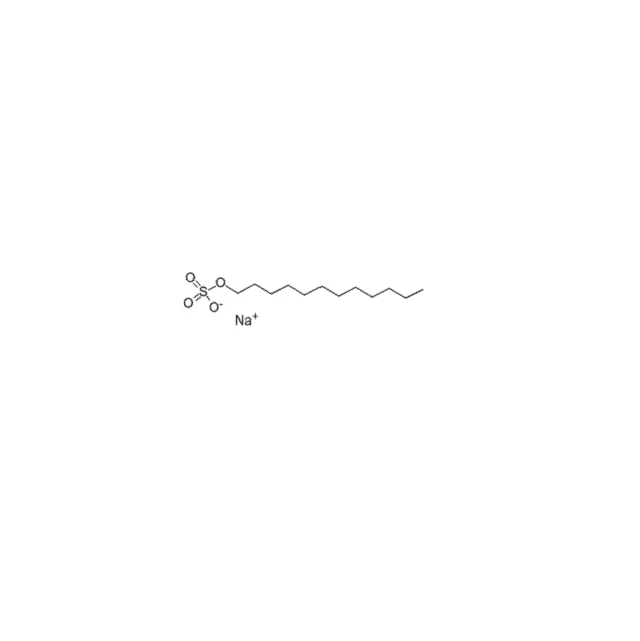
Sodium Dodecyl Sulfate
Sodium dodecyl sulfate is a kind of anionic surfactant, which is a typical representative of sulfate surfactants, abbreviated to SDS, also known as as as, K12, sodium cocoitol sulfate, sodium lauryl sulfate and foaming agent. The products sold on the market are usually white to yellowish crystalline powder, non-toxic, slightly soluble in alcohol, insoluble in chloroform and ether, easily soluble in water, complex with anions and non-ionic It has good compatibility, good emulsification, foaming, foaming, permeability, decontamination and dispersion performance, rich foam, rapid biodegradation, but the water solubility is inferior to that of fatty alcohol polyoxyethylene ether sodium sulfate (AES). It is not sensitive to alkali and hard water, but its stability is inferior to that of general sulfonate in acid condition, close to AES, and should not be more than 95 °C in long-term heating. The stimulation index of 10% solution is 3.3, higher than AES, lower than sodium dodecylbenzene sulfonate (LAS).
Sodium Hexametaphosphate
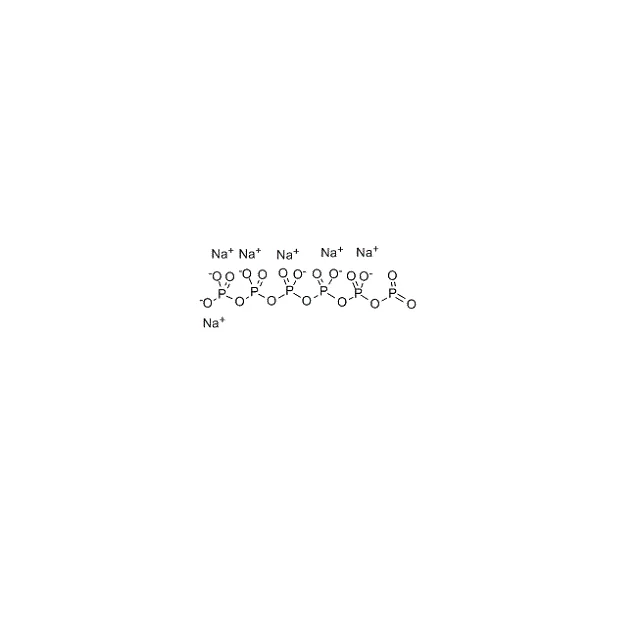
Sodium hexametaphosphate is a kind of sodium metaphosphate polymer, also known as "sodium polymetaphosphate", "sodium polymetaphosphate", "sodium metaphosphate vitreous", "Graham salt". It is a colorless transparent glassy solid or white powder in appearance. Its solubility in water is relatively large, but the dissolution rate is slow, and the aqueous solution shows acid reaction. The complex of divalent metal ions is more stable than that of monovalent metal ions. It is easy to hydrolyze to orthophosphate in warm water, acid or alkali solution. Sodium hexametaphosphate has a strong hygroscopicity and becomes sticky after hygroscopicity. Some metal ions (such as calcium, magnesium, etc.) have the ability to form soluble complexes, so they can be used to soften water. Precipitates can also be formed by plasma with lead and silver. These precipitates can be dissolved in excessive sodium hexametaphosphate solution to form complexes. Barium salt can also form complexes with sodium hexametaphosphate. It can be used as high efficient softener for power station, locomotive and vehicle boiler water, detergent assistant, control or anti-corrosion agent, cement hardening accelerator, streptomycin purification agent, cleaning agent for fiber industry and bleaching and dyeing industry. It is used in medicine as sedative, food industry as preservative, stabilizer and juice precipitant. In petroleum industry, it is used to prevent rust of drilling pipe and control viscosity of mud when drilling. It can also be used in textile printing and dyeing, tanning, papermaking, color film, soil analysis, radiochemistry and analytical chemistry. According to GB2760-1996, sodium hexametaphosphate is allowed to be used as food additive (water retention agent), which can be used in cans, juice drinks, dairy products, bean products, dye dispersants and water treatment agents.
Sodium Percarbonate
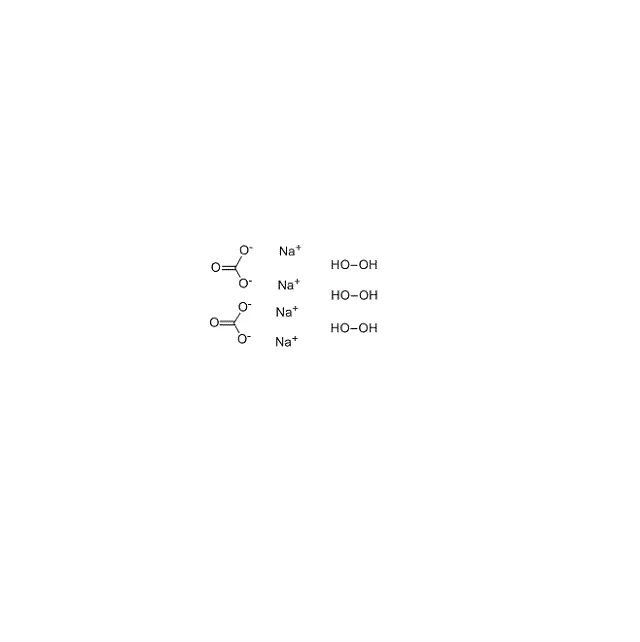
Sodium percarbonate is a strong oxidant. The appearance is white crystal or crystalline powder, and oxygen can be released in case of moisture. Sodium percarbonate is the addition compound of hydrogen peroxide and sodium carbonate, which is mainly used as bleaching agent and oxidant, as well as decontamination agent, cleaning agent and bactericide in chemical industry, papermaking, textile, dyeing and finishing, food, medicine, health and other departments. Other uses are similar to sodium perborate, which can replace sodium perborate to save boron salt.
Sodium Polyacrylate
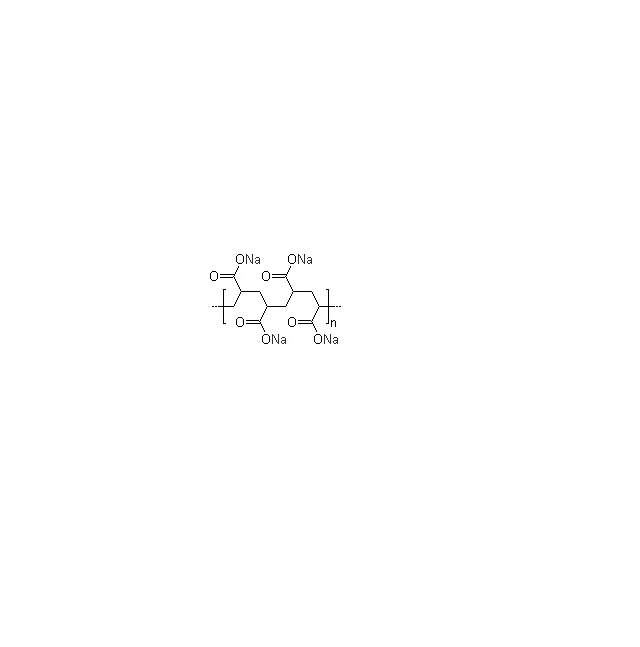
Sodium polyacrylate is a new functional polymer material and an important chemical product. The solid product is white (or light yellow) block or powder, and the liquid product is colorless (or light yellow) viscous liquid. From acrylic acid and its esters as raw materials, through aqueous solution polymerization. Tasteless, soluble in sodium hydroxide aqueous solution, precipitated in calcium hydroxide, magnesium hydroxide and other aqueous solutions. It is often used as water treatment agent, brine refining, latex thickening, and also as food viscosity and emulsification.
Sodium Polyphosphate
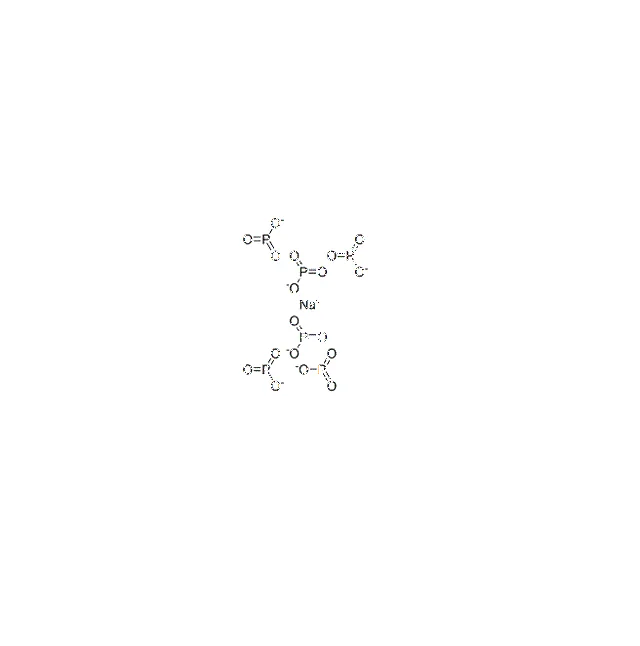
Sodium hexametaphosphate is used as a soft water agent in dyeing or post-treatment. It can capture calcium and magnesium ions from the precipitate of insoluble calcium soap, magnesium soap or calcium dye and magnesium dye, and make the precipitate dissolve again. In other words, when sodium hexametaphosphate is introduced into the solution, sodium soap can be regenerated. Even when calcium soap or magnesium soap has formed, the clot of calcium soap or magnesium soap will disappear. Similarly, sodium hexametaphosphate can regenerate dyes.
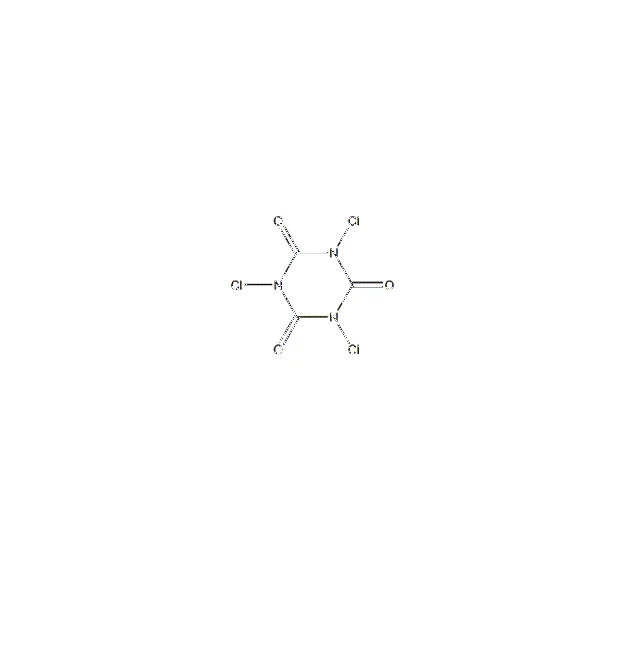
Trichloroisocyanuric Acid
Trichloroisocyanuric acid is a very strong oxidant and chlorinator, with high efficiency, broad spectrum and relatively safe disinfection effect. It has the strongest bactericidal ability among the products of chloroisocyanuric acid, killing bacteria, viruses, fungi, molds, solitary cholera bacteria, spores, etc., and killing coccidian oocysts to a certain extent, It can be used for disinfection of environment, drinking water, fruits and vegetables, livestock and poultry feed tanks, fish ponds, silkworm houses, etc. the method of use is to prepare 4-6mg / kg of water with powder for disinfection, and use 200-400mg / kg of solution for disinfection of environment and appliances.