

Browse 961 Chemical Products and Raw Materials
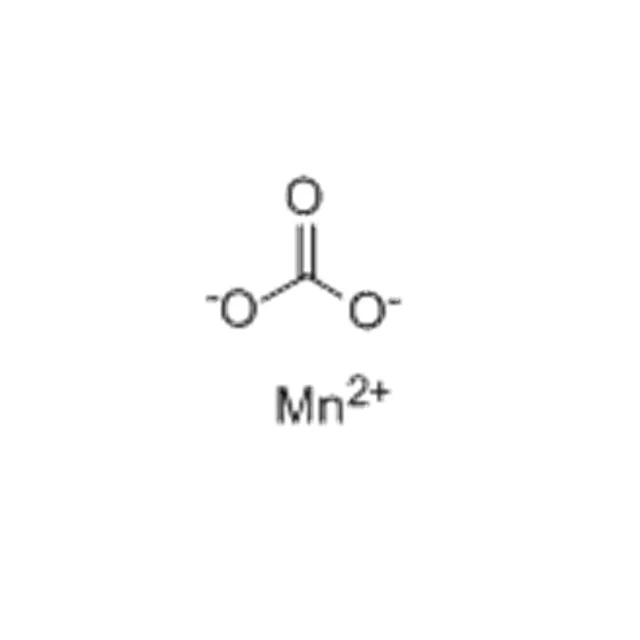
Manganese Carbonate
Manganese carbonate is widely used as an additive to plant fertilizers to cure manganese deficient crops. It is also used in health foods, in ceramics as a glaze colorant and flux, and in concrete stains. It is used in medicine as a hematinic.
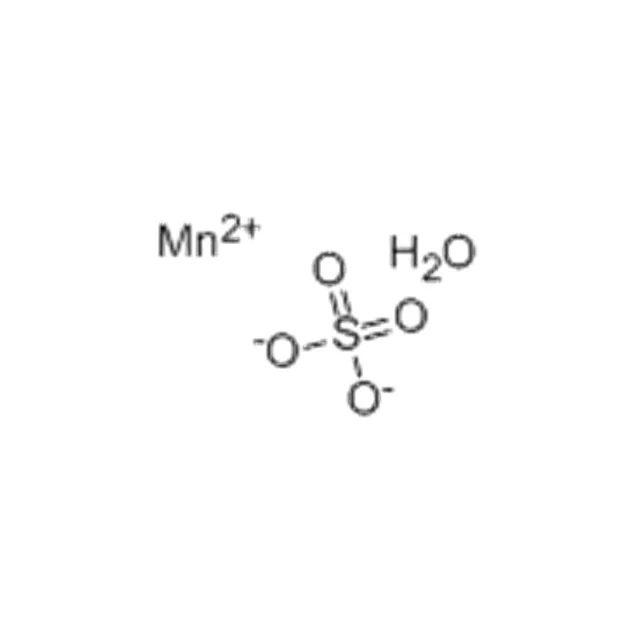
Manganese Sulfate Monohydrate
Manganese sulfate is one of the important trace element fertilizers which can be used as base fertilizer, seed soaking, seed dressing, top dressing and foliar spray, it can promote the crop growth to increase production. In animal husbandry and feed industry, manganese sulfate used as feed additives to promote animals to grow healthily and fatly. In industry, manganese sulfate can be used in industries of paper, ceramics, printing and dyeing, ore flotation as reaction agent.
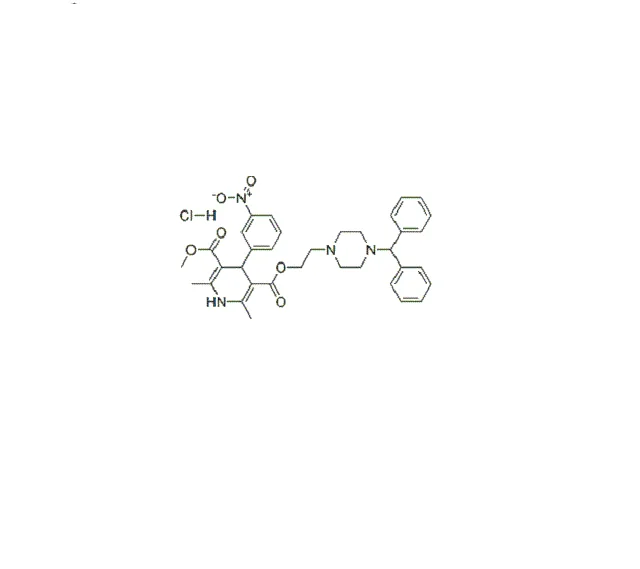
Manidipine Hydrochloride
For two hydrogen pyridine class calcium antagonist medicine, high selectivity of blood vessels, step-down effect is strong and durable, can increase renal blood flow, central The effect of dirty is weak. Oral absorption, blood drug concentration peak time 1 ~ 2 hours. In the plasma and protein at a rate of 97%. T1/2 for about 5 hours.
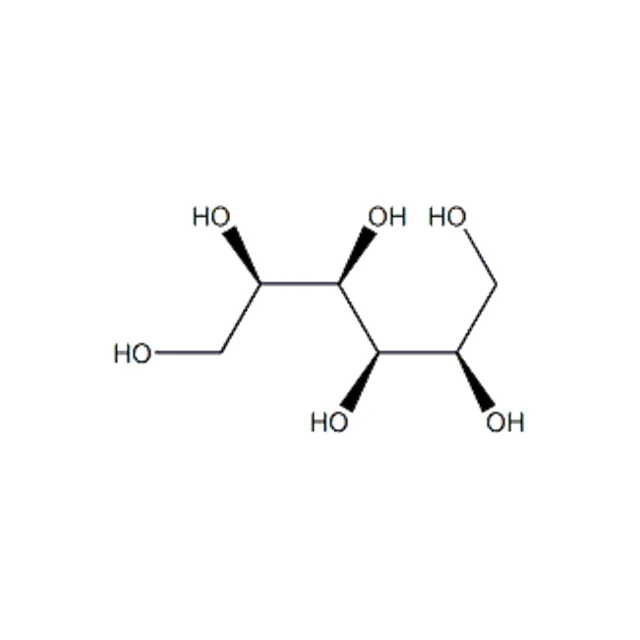
Mannitol
Mannitol (also referred to as mannite or manna sugar) is a white, crystalline solid with the chemical formula C6H8(OH)6. It was originally isolated from the secretions of the flowering ash and called manna after its resemblance to the Biblical food. In plants, it is used to induce osmotic stress. It has several industrial uses, but is mainly used to produce tablets of medicine.
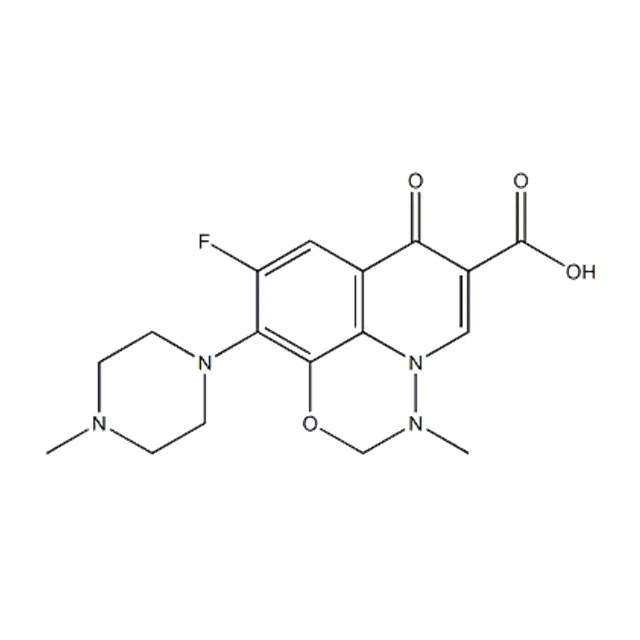
Marbofloxacin
Marbofloxacin is a synthetic, bactericidal antimicrobial, belonging to the fluoroquinolone group which acts by inhibition of the DNA gyrase. It is effective against a wide range of Gram positive bacteria and Gram negative bacteria as well as Mycoplasma spp. Marbofloxacin can be used both orally and topically. It is particularly used for infections of the skin, respiratory system and mammary glands in dogs and cats, as well as with urinary tract infections.
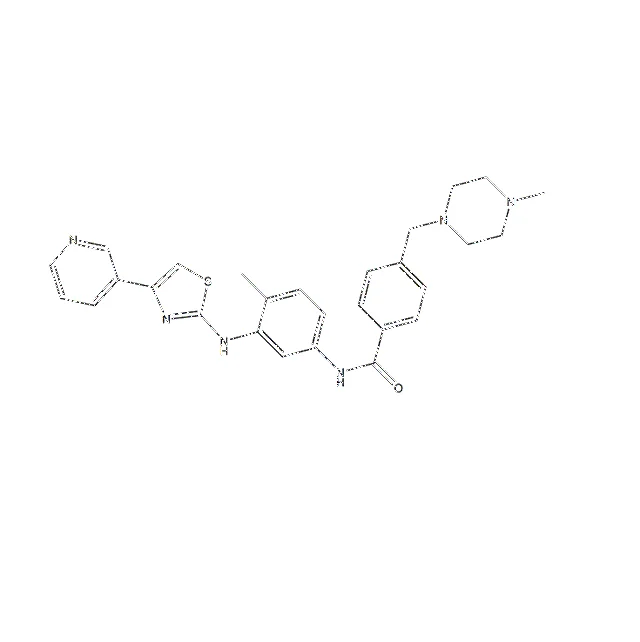
Masitinib
Masitinib is a tyrosine-kinase inhibitor used in the treatment of mast cell tumors in animals, specifically dogs. Since its introduction in November 2008 it has been distributed under the commercial name Masivet. It has been available in Europe since the second part of 2009. In theUSAit is distributed under the name Kinavet and has been available for veterinaries since 2011.
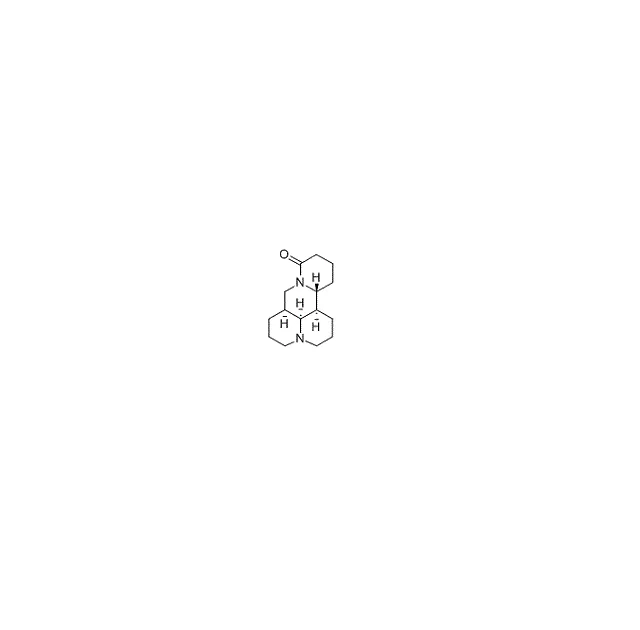
Matrine
Matrine is an alkaloid extracted from the roots, stems and fruits of Sophora flavescens, a legume plant, by ethanol and other organic solvents. The main components of Sophora flavescens are matrine, Oxymatrine, sophocarpine, Oxysophocarpine, sophoridine and other alkaloids. The content of matrine and Oxymatrine is the highest. With different crystallization conditions, matrine has four crystal types: α - type: acicular, melting point 76 °C; β - type: short prismatic, melting point 87 °C; γ - type: oily liquid, static transformation to α - type; δ - type: leaflike or prismatic, melting point 84 °C. These crystal forms can transform into the same salts. Relative density is 1.0888 (85 / 4 °C), refractive index is 1.52865 (85 °C) [α] d20-39.11 °C water. Soluble in cold water, ethanol, ether, chloroform and benzene, insoluble in petroleum ether, less soluble in hot water than in cold water. Oxymatrine was produced by hydrogen peroxide oxidation. Matrine and Oxymatrine are easy to dissolve in water. However, the oxygen atoms in Oxymatrine share a pair of electrons with N atoms through a semi polar coordination bond, which is similar to alkaloid salts to a certain extent and has a large polarity. Therefore, the solubility in water is higher than that of matrine, and the solubility in organic solvent is lower than that of matrine.
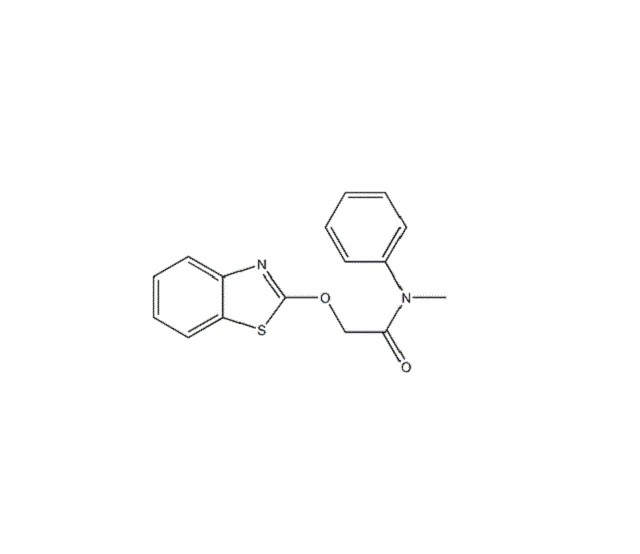
Mefenacet
Mefenacet is an acetanilide herbicide which is used for pre- and post emergence control of annual weeds in paddy oil. Mefenacet has been widely used and repeated in Asian countries and is frequently d etected in river or lake water.
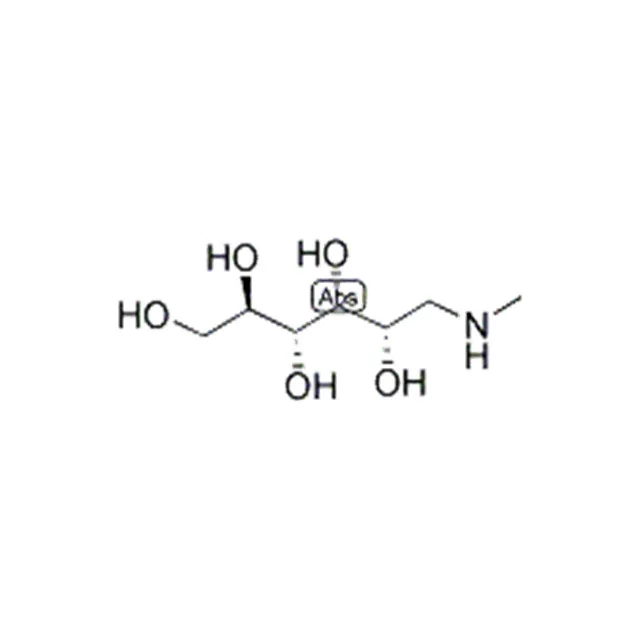
Meglumine
Meglumine is widely used in parenteral pharmaceutical formulations and is generally regarded as a nontoxic material at the levels usually employed as an excipient. As a contrast agent of latent solvent and surfactant.Diagnostic medicine, as a cosolvent and contrast agents.Pan shadow meglumine, fluorine symplectic meglumine and meglumine antimonate.
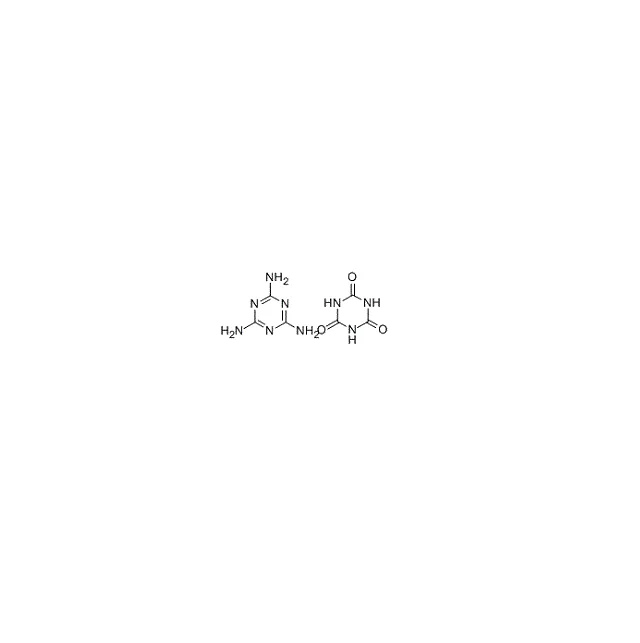
Melamine Cyanurate
Melamine cyanurate is a kind of halogen-free flame retardant, also known as melamine cyanurate (MCA), which is white crystalline powder, insoluble in water, soluble in ethanol, formaldehyde and other organic solvents; it is weak acid, can be well dispersed in oil medium, non-toxic, environmental friendly, tasteless, stable in 300 °C, endothermic decomposition and sublimation at 350 °C. Non combustible, chemically stable, widely used in nylon, acrylic emulsion, polytetrafluoroethylene resin and other olefin resins as halogen free flame retardant components. It is especially suitable for nylon 6 and nylon 6, 6, which are two kinds of pure nylon. It has good flame-retardant effect, small processing smoke, and can easily achieve ul94v-o flame-retardant level. It has very low application cost, superior electrical properties, mechanical properties and coloring properties. At the same time, when it is used as a mixed additive to manufacture flame-retardant masterbatch, due to its self Excellent balance between good thermal stability and high efficiency flame retardant, so it has the advantage of easy processing.
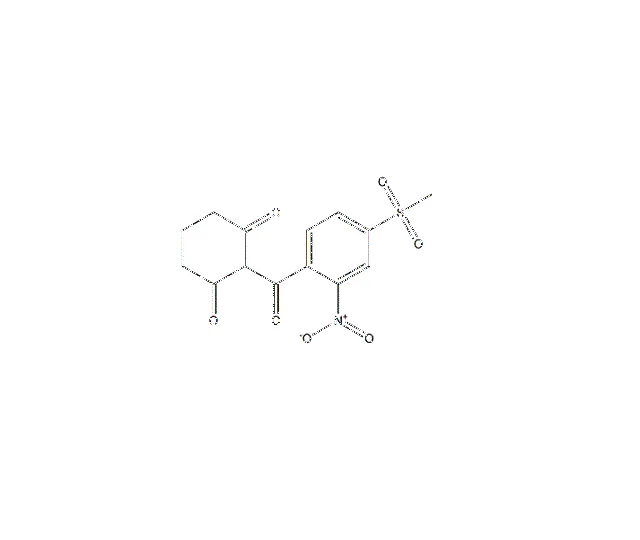
Mesotrione
Mesotrione is a herbicide that works by inhibiting 4-hydroxyphenylpyruvate dioxygenase (HPPD), a crucial enzyme for the biosynthesis of carotenoid in plants. Mesotrione is also a synthetic analog of l epospermone.
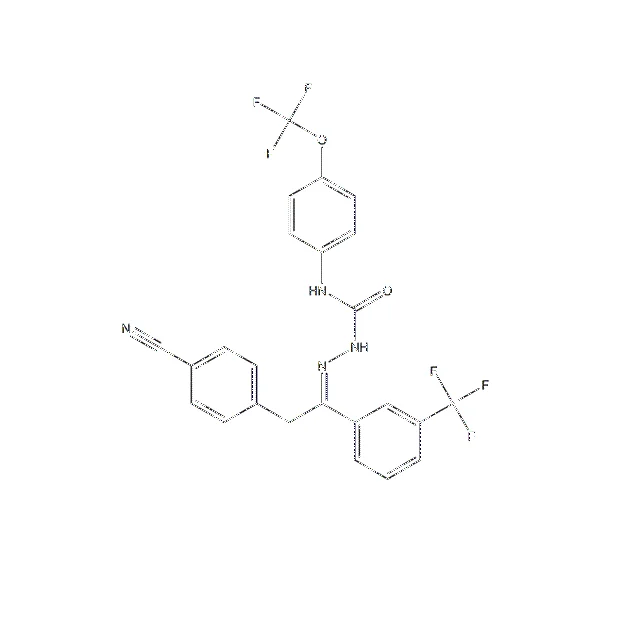
Metaflumizone
Cyfluzonazone is a new mechanism of action of insecticides, through the attachment to the receptor of sodium ion channel, blocking the passage of sodium ion, and no cross resistance with pyrethroids or other kinds of compounds. The drug is mainly through insect feeding into its body to produce stomach poison to kill pests, with little contact killing effect and no inhaling effect. The drug has a good control effect on target pests and larva of all ages. After the insect is fed, the drug enters the insect body, blocks the sodium ion channel on the axon membrane of the insect neuron through a unique mechanism of action, so that the sodium ion cannot pass through the axon membrane, and then suppresses the nerve impulse to make the insect body relax and paralyze excessively. After a few hours, the insect stops feeding and dies within 1-3 days.
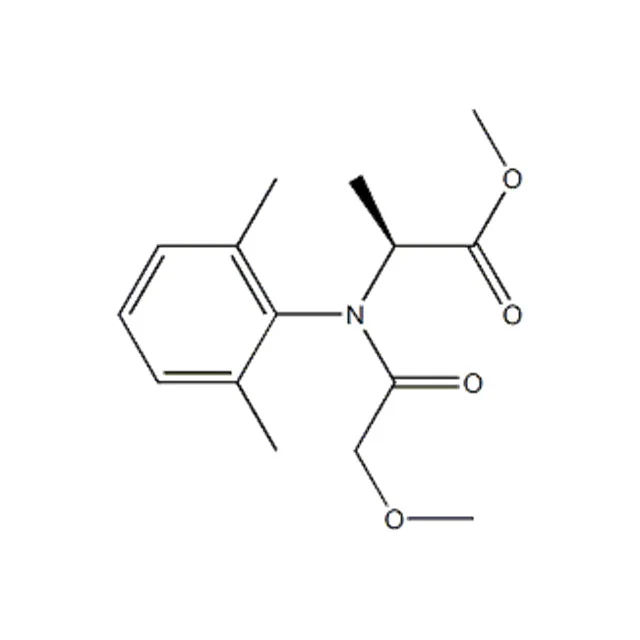
Metalaxyl
Metalaxyl is uesed for downy mildew, Phytophthora nicotianae and rot caused by a variety of crop downy mildew, fruits and vegetables of Phytophthora blight, millet downy mildew.
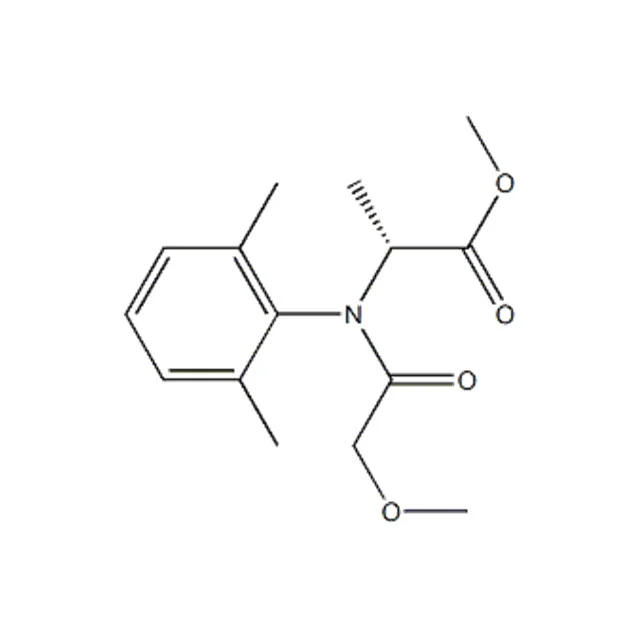
Metalaxyl-M
Metalaxyl-M is a systematic fungicide with preventive and curative action, mainly absorbed through the leaves, stems, and roots. Besides seed treatments and soil applications, metalaxyl-M is used to control diseases caused by air- and soil-borne Peronosporales on a wide range of temperature, subtropical and tropical crops. Its efficency to control Plasmopara viticola on fruits and vegetables, Phytophthora infestans on potatoes and tomatoes and Peronospora tabacina on tobacco, is 2-10 folds higher than racemic Metalaxyl, its degradation in the soil is 2 folds faster; and thus reducing its dosage remarkably.
Metazachlor
A chloroacetanilide herbicide used on vegetable crops.
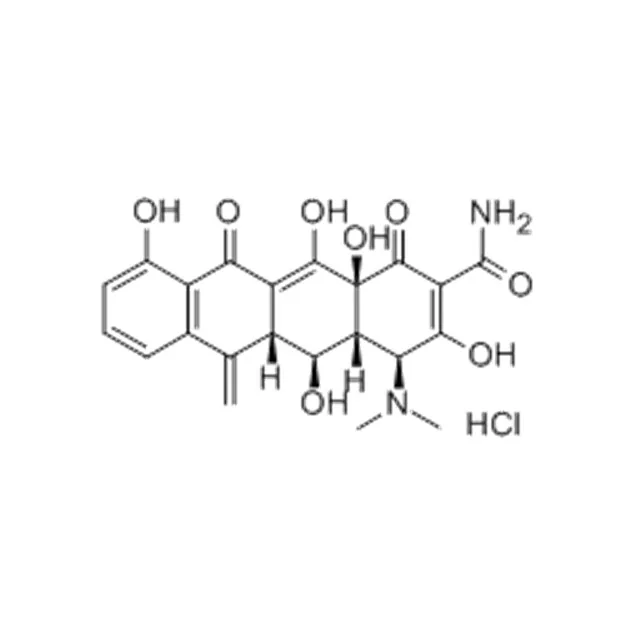
Methacycline Hydrochloride
Metacycline is a tetracycline antibiotic. It is used as a precursor in the industrial synthesis of doxycycline hyclate. It should not be confused with the antibiotic methicillin.
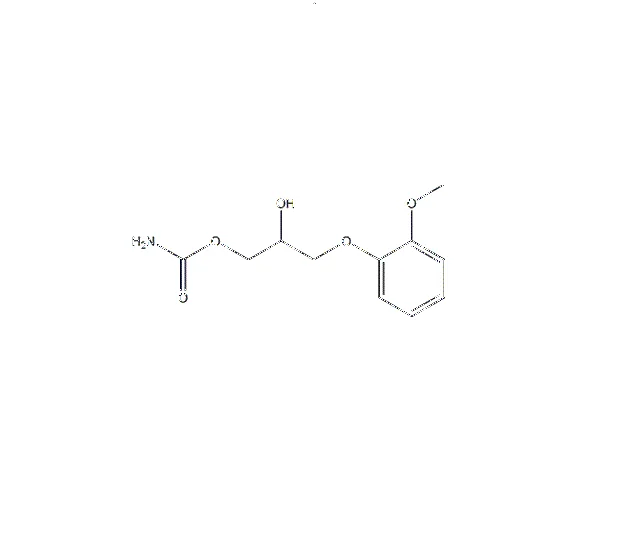
Methocarbamol
Methocarbamol is used for waist and joint ligament acute sprains, sciatica, hyperplastic spondylitis, rheumatoid arthritis, rheumatoid arthritis, muscle strain, etc.
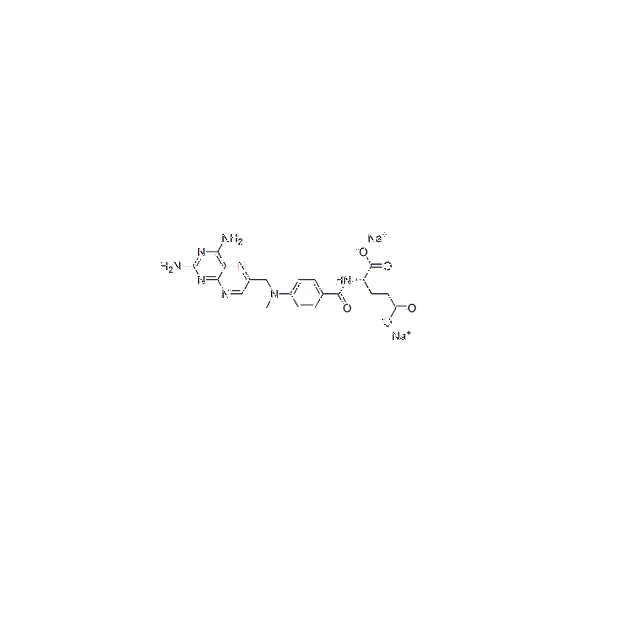
Methotrexate Disodium Salt
Test method: abdominal intake dosage: 120 mg/kg, male mating test object before 60 days (county) : rodents - rat toxicity type: reproductive toxicity effect: 1. The influence of his father - testis, epididymis and sperm tube 2 copies of male fertility index (such as # # men and women each impregnated with men fertile pregnancy women) 2. Test method: abdominal intake dosage: 284 mg/kg test object: rodents - rat toxicity type: acute toxic effects: the side effects of detailed didn't report other than lethal dose values
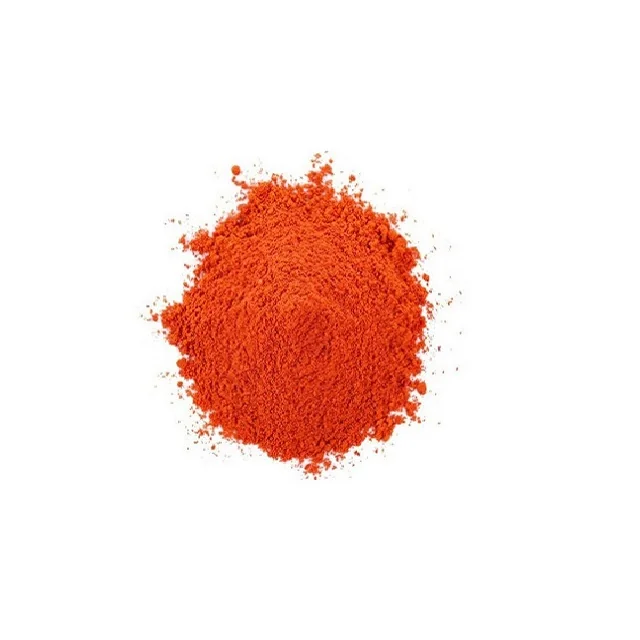
Methyl Orange
Methyl orange is orange powder or flaky crystal, insoluble in ethanol, slightly soluble in water, and easily soluble in hot water. It is generally used as an acid-base titration indicator with a concentration of 0.1% (dissolve 0.1 g of methyl orange in 100 ml of hot water). It exists in the form of sulfonic acid in an acidic solution. The dimethylamino group forms an internal salt, which converts a benzene ring into a quinoid structure and turns red. Methyl orange is yellow in the form of sulfonic acid sodium salt in neutral or alkaline solution, and the pH value of the discoloration range is 3.1 to 4.4.
Methyl Red
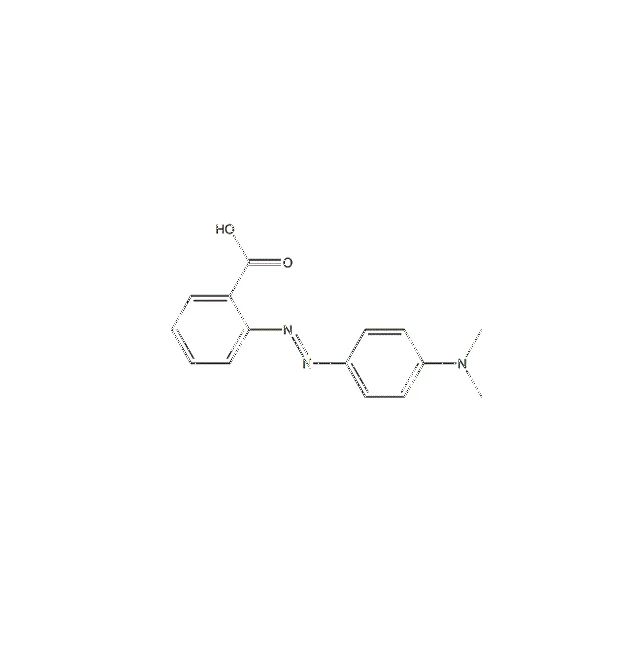
Glossy purple crystal or reddish brown powder. Melting point 180-182 °C. Soluble in ethanol, glacial acetic acid, almost insoluble in water. Methyl red is one of the commonly used acid-base indicators, with a normal concentration of 0.1% ethanol solution, ph4.4 (red) - 6.2 (yellow). It is also used for living protozoa staining.
Methyl Red Sodium Salt
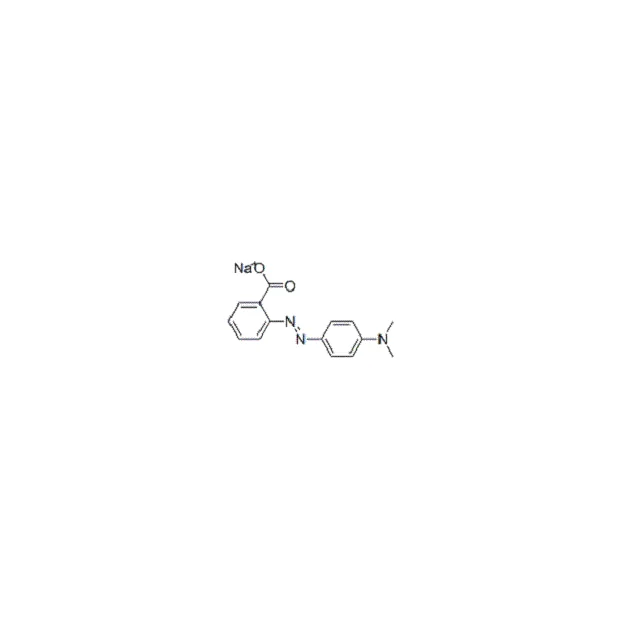
Acid base indicator, pH change range 4.4 (red) ~ 6.2 (yellow). Redox indicator. It is used to titrate ferrous ion with cerium sulfate.
Methyl Tetrahydrophthalic Anhydride
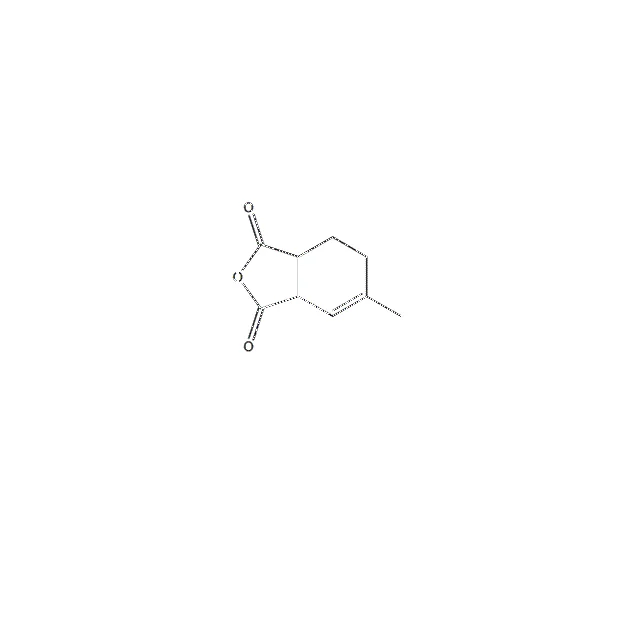
Methyltetrahydrophthalic anhydride, also known as Methyltetrahydrophthalic anhydride, is a light yellow transparent oil-like liquid. It is an important intermediate in electronic information materials, medicine, pesticide, resin, national defense industry, and can also be used in coating, plasticizer, pesticide and other industries.
Methyl Violet
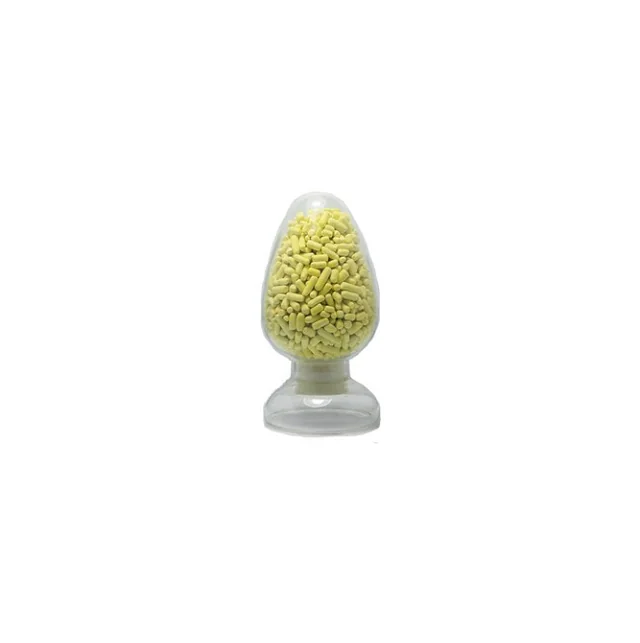
Preparation method: (1) 4,4′-bis(dimethylamino) benzophenone is condensed with N,N-dimethylaniline and PCl3; (2)N,N-dimethylaniline is reacted in the presence of ZnCl2 (3) Condensation of bis(dimethylamino)diphenylmethanol with N,N-dimethylaniline, and the obtained product is oxidized again.
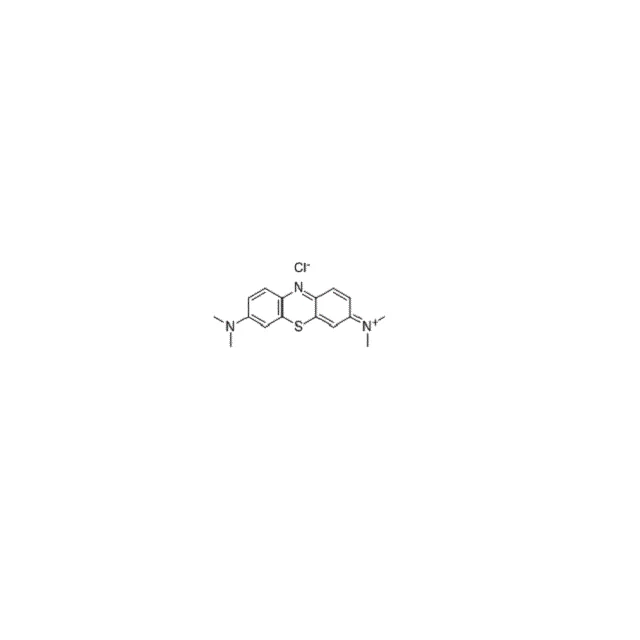
Methylene Blue
A golden red, glittering gold or bronze powder. It is blue in water and slightly soluble in ethanol. The dye is yellowish green in concentrated sulfuric acid and turns blue after dilution. The aqueous solution with sodium hydroxide is purple and has dark purple precipitate.