

Agricultural Farm Chemicals (194)
Showing 85–96 of 194 products · Page 8 of 17
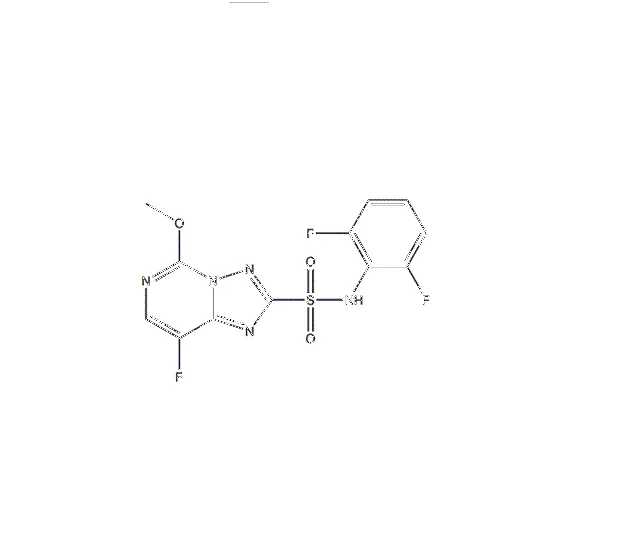
Florasulam
is a triazole and pyrimidine sulfonamide herbicide
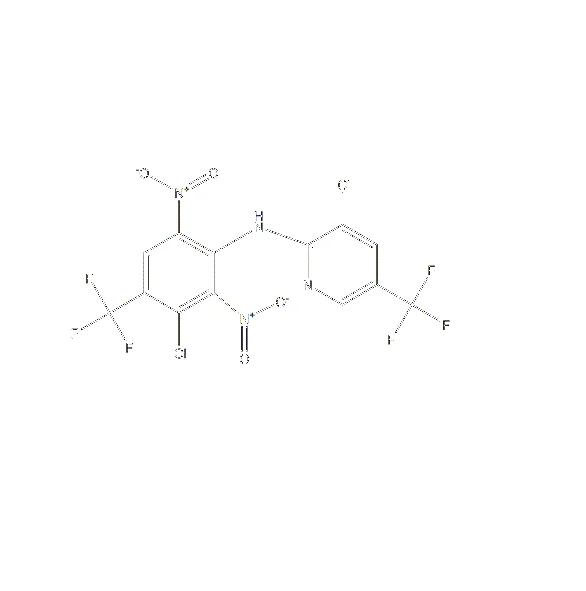
Fluazinam
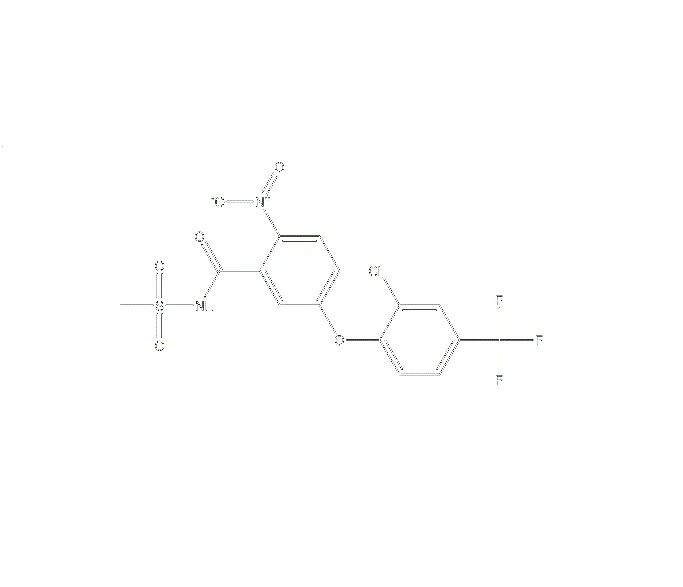
Fluazinam is a protectant fungicide, but is neither systemic or curative. It acts by inhibiting the germination of spores and the development of infection structures. Although it has activity against many fungi, it is less potent against rusts and powdery mildew and as such has not been commercialised for use in cereal crops. It is widely used to control late blight (P. infestans) in potato due to its activity against the zoospores of the pathogen which makes it particularly effective at controlling infection of the potato tubers. Despite its common usage to control late blight, there are no reports of resistance to fluazinam appearing in P. infestans. Fluazinam is also used to control Sclerotinia on peanuts and turf, Botrytis on grapes and beans and clubroot in brassicas.
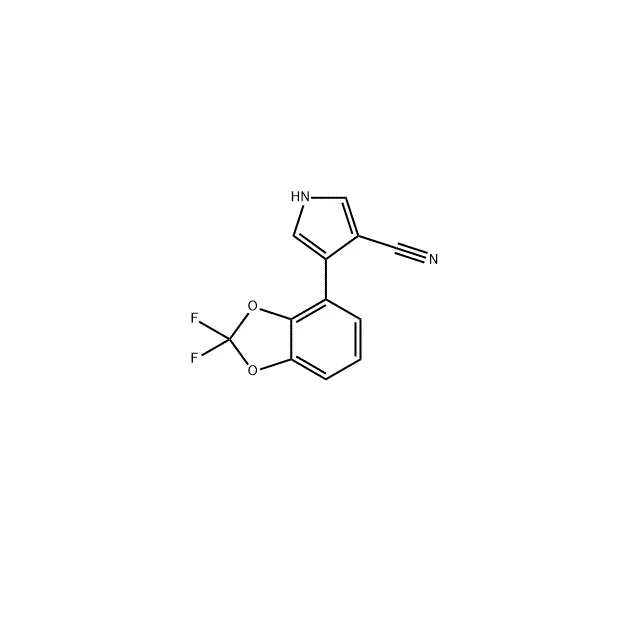
Fludioxonil
A novel broad-spectrum, non-systemic pyrrole fungicide, by inhibiting the transfer of glucose phosphorylation and inhibiting the growth of fungal mycelium, eventually leading to the death of pathogenic bacteria. It is used for the foliar treatment of wheat, barley, corn, peas, rape, rice, vegetables, grapes, lawns, and ornamental crops, to prevent and control Fusarium nivalis, Tilletia spp., Rhizoctonia solani, etc. Special effects; treatment of grain and non-grain seeds, prevention and control of seed and soil-borne pathogens, such as Alternaria, Ascodia, Aspergillus, Fusarium, Bipolaris, Rhizoctonia and Penicillium bacteria.
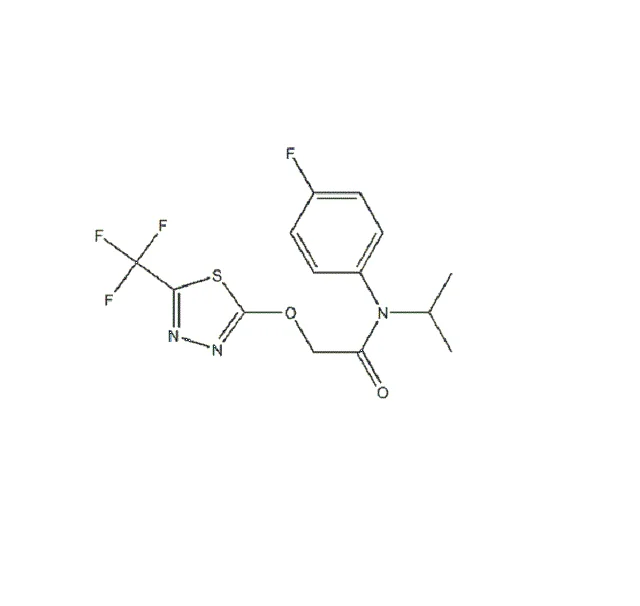
Flufenacet
Contact MOSINTER for product specifications and supply information.
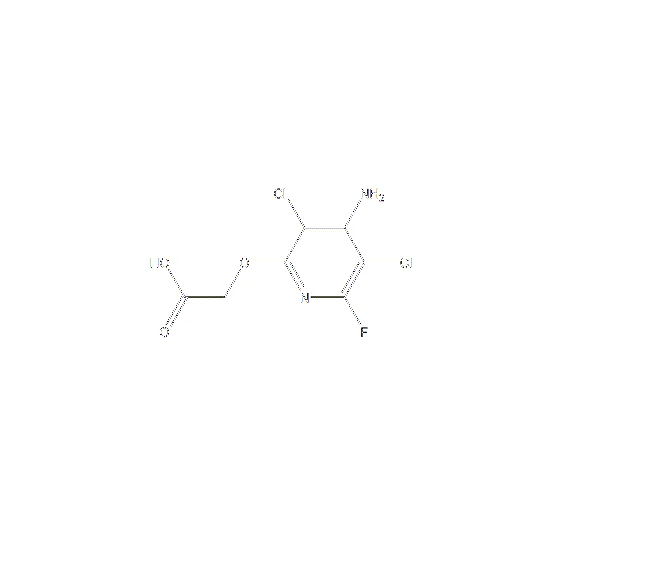
Fluroxypyr
Fluroxypyr is an herbicide in the class of synthetic auxins. It is used to control broadleaf weeds and woody brush. It is formulated as the 1-methylheptyl ester (fluroxypyr-MHE)
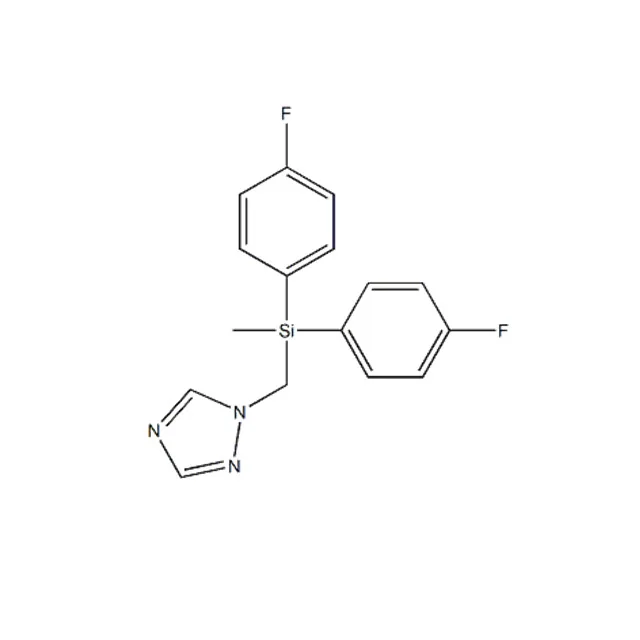
Flusilazole
Flusilazole is triazole systemic fungicide, has protective and therapeutic effects, strong permeability, disease prevention and treatment of Ascomycetes, basidiomycetes and Deuteromycetes caused.
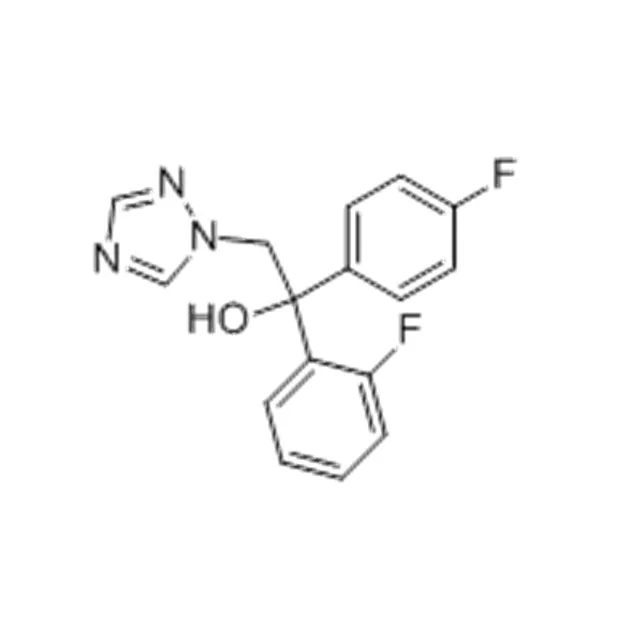
Flutriafol
Flutriafol is belongs to three triazole fungicide, a kind of sterol demethylation inhibitor,prevent and control of cereal powdery mildew.
Forchlorfenuron
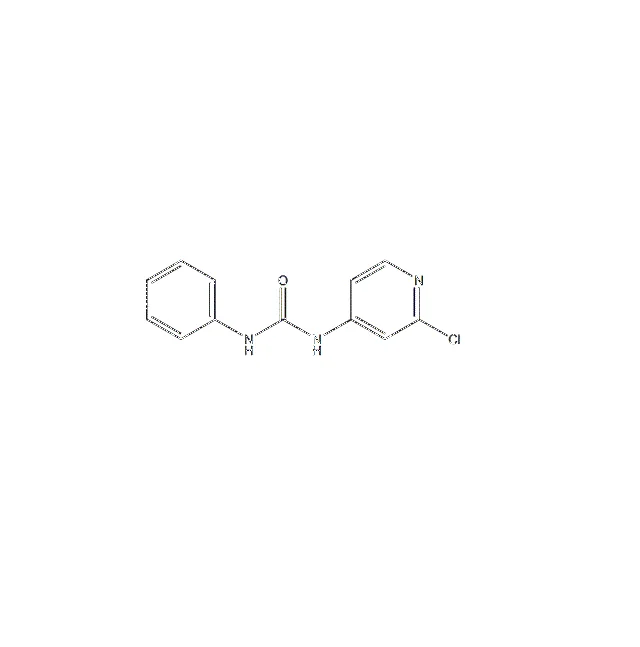
The crude drug (more than 85%) is white solid powder, m.p.168-174 °C. It is soluble in acetone, ethanol and DMSO, and its solubility in water is 65mg / L. As a plant growth regulator, it has cytokinin activity, can promote cell division, differentiation, organ formation, protein synthesis, improve photosynthesis, etc.
Fulvic Acid
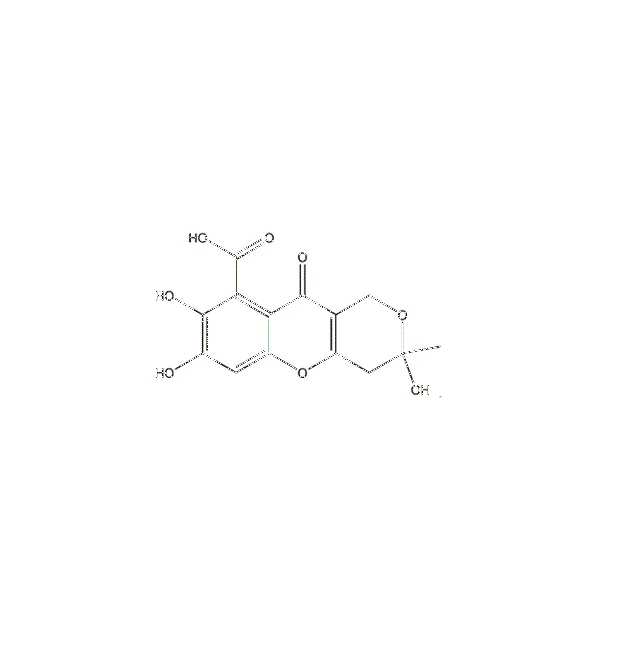
Compared with humic acid, fulvic acid has lower molecular weight, less carbon and more oxygen in its molecular structure, and higher content of acid functional group (- COOH) than humic acid. In addition, fulvic acid contains more ketone carbonyl and hydroxyl than humic acid, so it has stronger acidity in aqueous solution than humic acid. At present, the specific molecular structure of fulvic acid is not very clear. Based on the carbon skeleton structure of humus, a structure model of fulvic acid is obtained as shown in Figure 1. The carbon content of fulvic acid is generally between 40% and 50%, the hydrogen content is between 4% and 6%, and the oxygen content is between 44% and 50%.
Glufosinate-ammonium
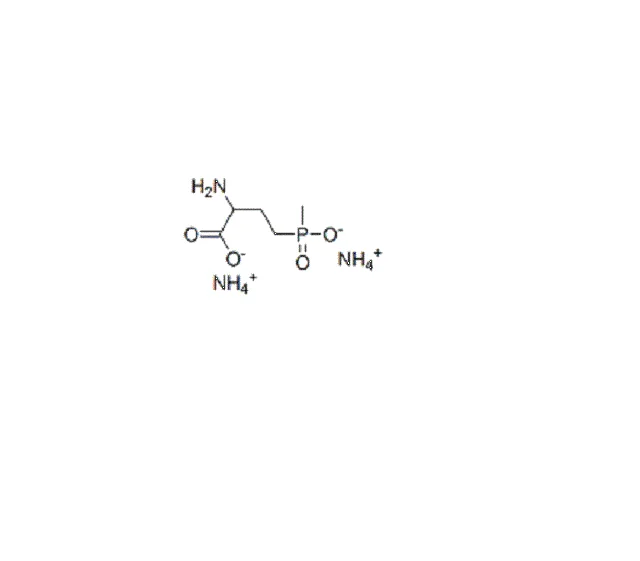
Application: Organophosphorus herbicide, glutamine synthesis inhibitor, nonselective herbicide tag.
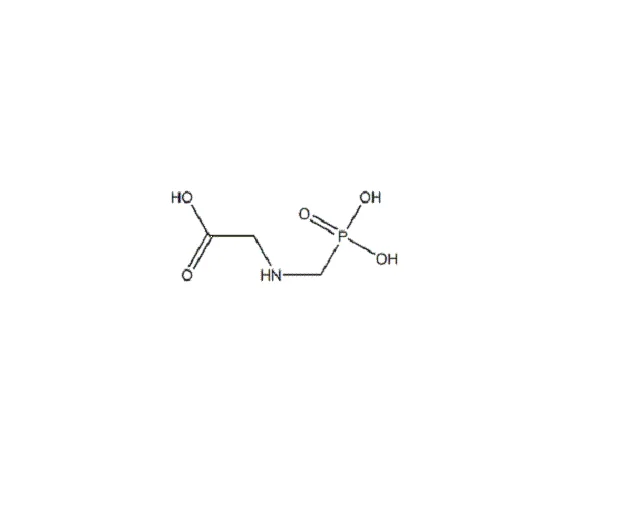
Glyphosate
is a kind of non-selective, no residual sterilant herbicides, root weeds is very effective for many years, is widely used in rubber, orchards, mulberry, tea and sugar cane.