

Agricultural Farm Chemicals (194)
Showing 73–84 of 194 products · Page 7 of 17
Ethephon
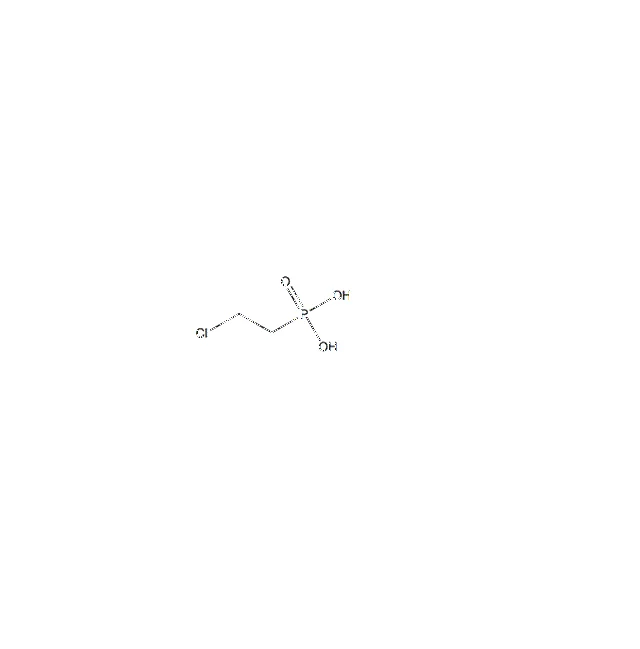
The pure product is white needle crystal. m. 74-75 °C, soluble in water and alcohol, insoluble in dichloroethane and benzene. It is stable under the condition of pH < 3, and releases ethylene under the condition of pH > 3 and alkaline, and releases ethylene and 2-hydroxyphosphonic acid in the plant. Industrial products are light yellow viscous liquid or waxy solid. Organophosphorus plant growth regulator. It can promote the early ripening of all kinds of fruits, such as bananas, oranges, tomatoes, watermelons, etc., can promote rubber, lacquer trees, etc., can promote the early opening of female flowers and more female flowers of cucumbers, can be used for accelerating the ripening of cotton and tobacco leaves, and can also inhibit plant growth, make plants shorter, break seed dormancy and other functions. Half a month before early frost, cotton was sprayed with water of 40% ethephon 15 to 22.5g/100m2. When banana was treated with 0.2-2g/l ethephon aqueous solution, ripening was accelerated.
Ethofumesate
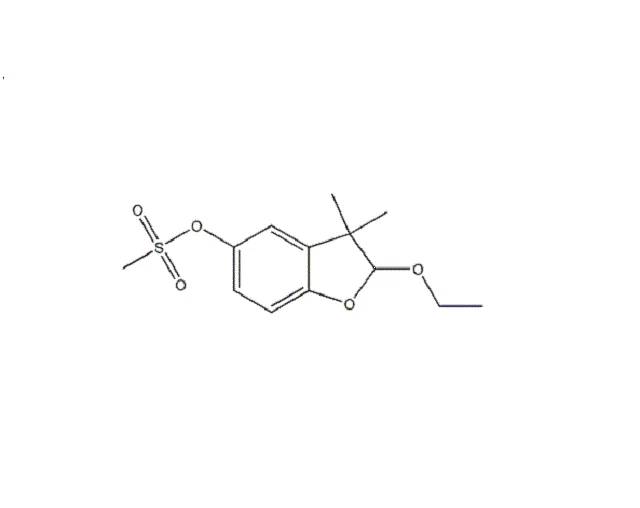
Application:After before bud bud herbicide. With 1.0 ~ 2.0 kg/ha (A.I.) dose; Herbicide, beet, sod, ryegrass and other pastures in the weeds. This product can effectively control many important gramineae and broadleaf weeds and longer its effect in the soil. Dosage of sugar beet in 1.0 ~ 3.0 kg/ha, but cefuroxime straw colour with other beet with the tag type mixed herbicides barrel recommended dosage is 0.5 ~ 2.0 kg/ha of strawberry, sunflower and tobacco based on different periods of administer the drug has good tolerance. The resistance of medium of onion.
Etofenprox
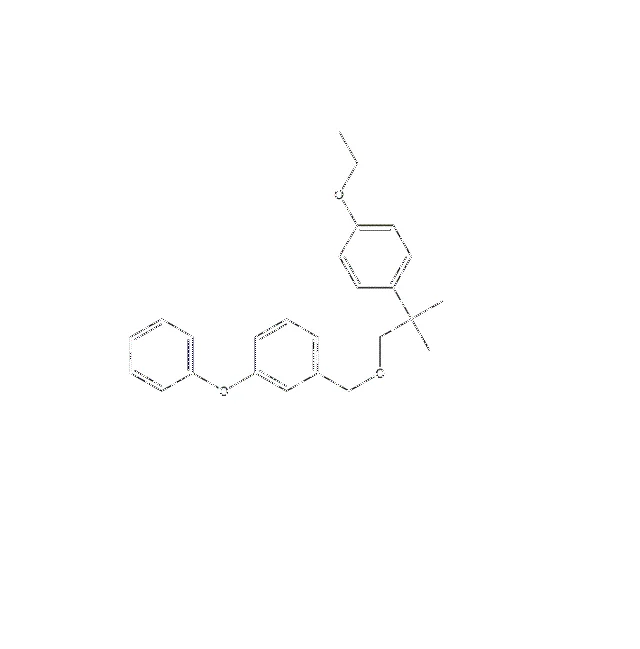
This product has the characteristics of broad insecticidal spectrum, high insecticidal activity, fast knockdown speed, long residual period, and crop safety. It has the functions of contact killing, stomach poison and inhaling. It is used for the control of Lepidoptera, Hemiptera, Coleoptera, Diptera, Orthoptera and Isoptera pests, such as brown louse, white backed planthopper, black tailed leafhopper, cotton bollworm, red bollworm, peach aphid, melon aphid, white powder louse, cabbage worm, tea caterpillar, tea geometrid, tea prickly moth, peach and pear moth, citrus leafminer, tobacco nightmoth, Plutella, corn borer, stem borer, soybean moth, etc. No effect on mites. In order to prevent cotton bollworm and pink bollworm, during the period of egg hatching, larvae sprayed into buds and bolls before spraying with water with 10% suspension concentrate 15 to 18mL/100m2. The rice planthopper was treated with water spray of 0.6 to 0.9g active ingredient /100m2, water spray or 20% EC of 0.9 ~ 1.4g active ingredients.
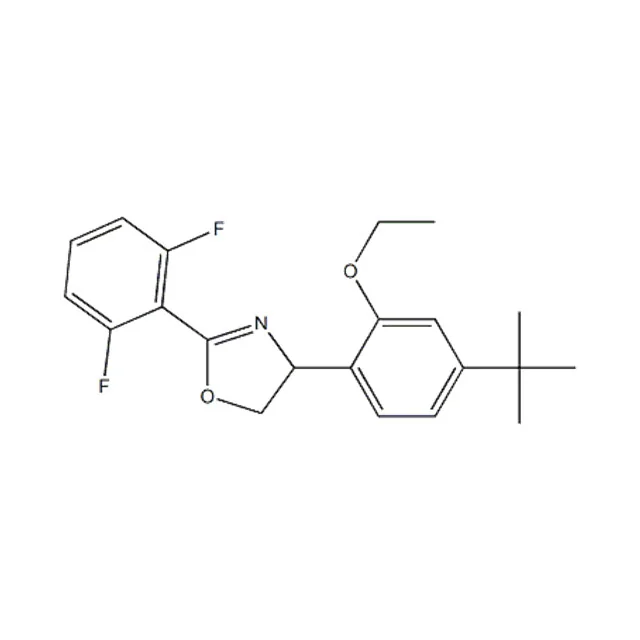
Etoxazole
Etoxazole is a fungicide used in some countries as a seed treatment on barley, beans, corn, cotton, peanuts, peas, sorghum, soybeans, safflower, and wheat. It is also used on cotton for in-furrow application at planting, on ornamental plants and shrubs by horticultural nurseries, on nonbearing citrus and nonbearing coffee, and for golf course fairways, tees and greens.
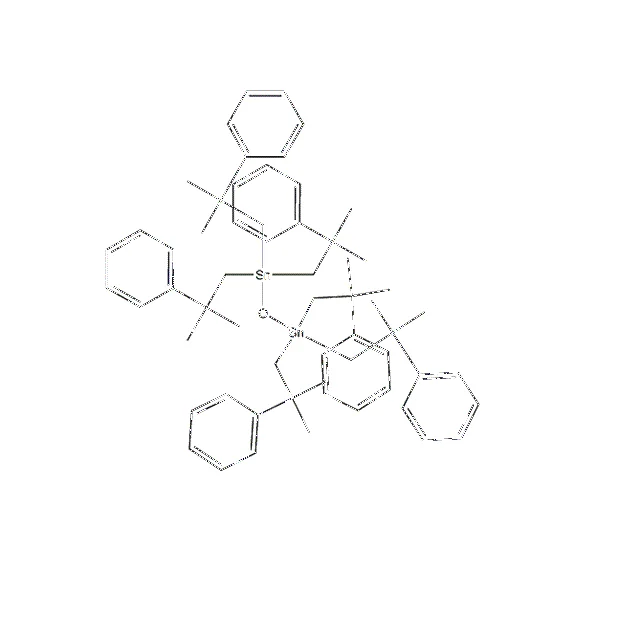
Fenbutatin Oxide
Organotin acaricide. It has good control effect on plant mite, gall mite and rust mite, good activity on young mite and adult mite, mainly contact killing effect, long residual effect, no inhaling effect, and poor effect on egg. It has no interaction with mites resistant to organophosphorus and is safe for crops and natural enemies. When it is used at high temperature, its effect is good. It can be used to control leaf mites in citrus, apple, pear, grape, tea tree, beans, eggplant, melon, tomato and other vegetables, as well as edible mites in ornamental plants. For example, prevention and cure of Citrus spider mite, spray with 2000~2500 wetting powder of 50% wettable powder, spray with 2000 times liquid of rust mite, while mites and rust mites can be treated simultaneously. The Hawthorn and apple spider mite were sprayed with 1000~1500 WP of 50% WP. The Tetranychus eggplant, beans and other vegetables were sprayed with 1500~2500 times liquid. The tea tree short mite and orange mite were sprayed with 1000~1500 times liquid.
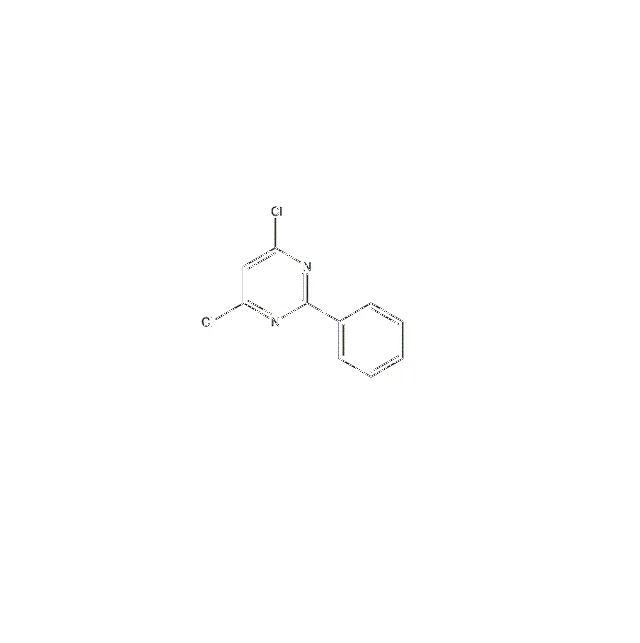
Fenclorim
As a kind of pyrimidine herbicide safety agent, herbicide can improve the selectivity of herbicides, protect the safety of crops and environment, expand the scope of use, eliminate the residue of herbicides in the soil, which is an ideal antidote for herbicides.
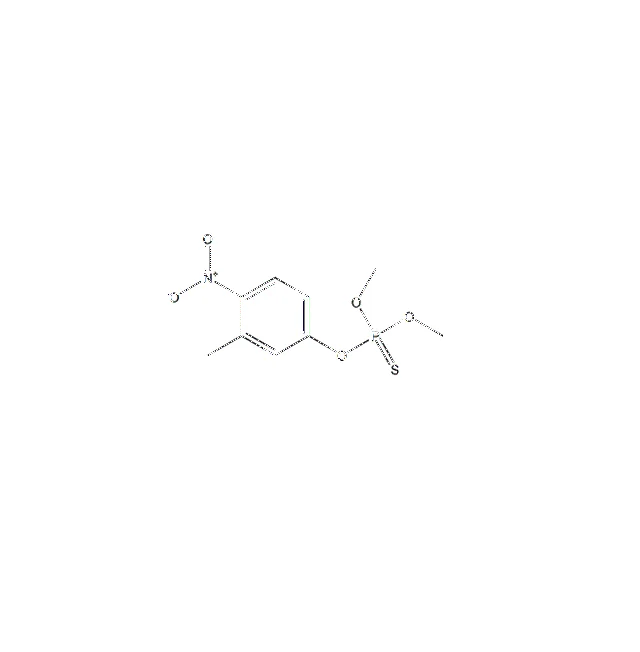
Fenitrothion
Broad spectrum insecticide has strong contact killing effect, good stomach toxicity, no inhaling and fumigating effect, but it has osmosis effect in plants. It has a special effect on the Chilo suppressalis, and can also prevent and control the Chilo suppressalis, the stem borer, the rice leaf roller, the rice bract early, the rice leafhopper, the rice planthopper, the rice thistle, the cotton aphid, the cotton bollworm, the red bollworm, the bug, the cotton thistle, the Spodoptera litura, the slime worm, the sweet potato weevil, the tea geometrid, the pear small carnivore, the peach small carnivore, the cabbage borer, the pine caterpillar, etc. It is mainly used for rice borer, soybean, cotton, fruit tree, tea, vegetable, etc. For example, to prevent rice borers, during the incubation period, use 50% milk oil 18.8 to 22.5mL per 100 square meters to pour water 60 to 75kg, or 50% to 7.5 to 11.3mL, spray 7.5 to 9kg of water, and control cotton bollworm, pink bollworm, cotton thrips, and spray with 1000~1500 times of 50% emulsifiable concentrate. It is easy to cause damage to sorghum and rape.
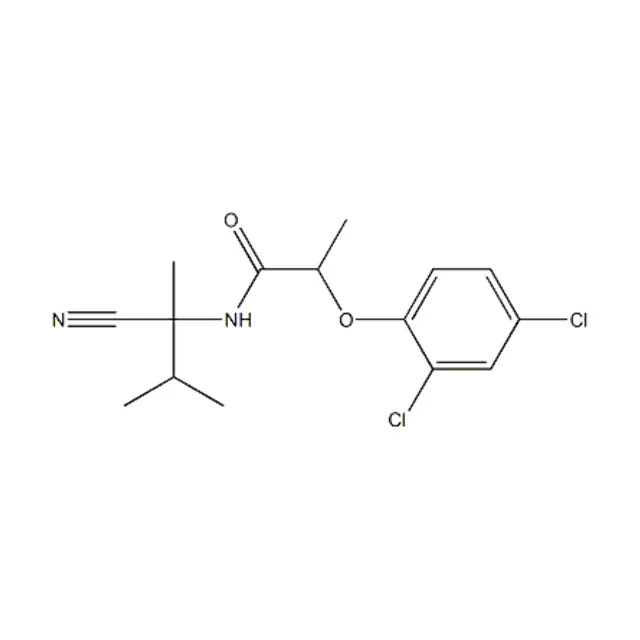
Fenoxanil
Fenoxanil is a effective fungicide in control of rice disease. It belongs to phenoxy amide fungicide. Its mechanism is produced biosynthesis inhibitor, inhibiting the activity of small column spore dehydrogenase and inhibiting the production of Magnaporthe grisea melanin.
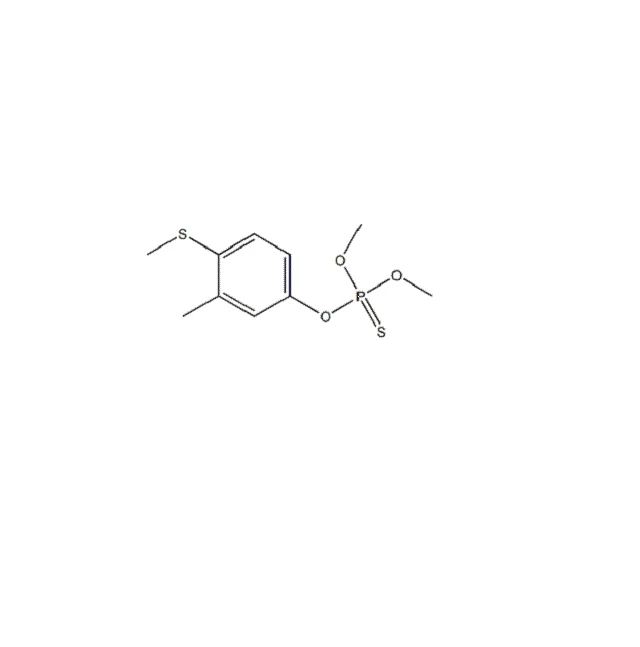
Fenthion
Bethion is a toxic insecticide, which has high toxicity to dogs and poultry, high toxicity to bees and no chronic toxicity. It has the functions of contact killing and stomach toxicity to pests and certain permeability to crops, but it has no function of internal absorption and conduction. It has a wide range of insecticidal and rapid functions. It is suitable for the control of many pests on rice, cotton, fruit trees, vegetables and soybeans, as well as mites. It is oxidized into sulfoxide and sulfone in plant body, and its insecticidal activity is improved. The common pesticide formulation is 50% phoxim emulsifiable concentrate.
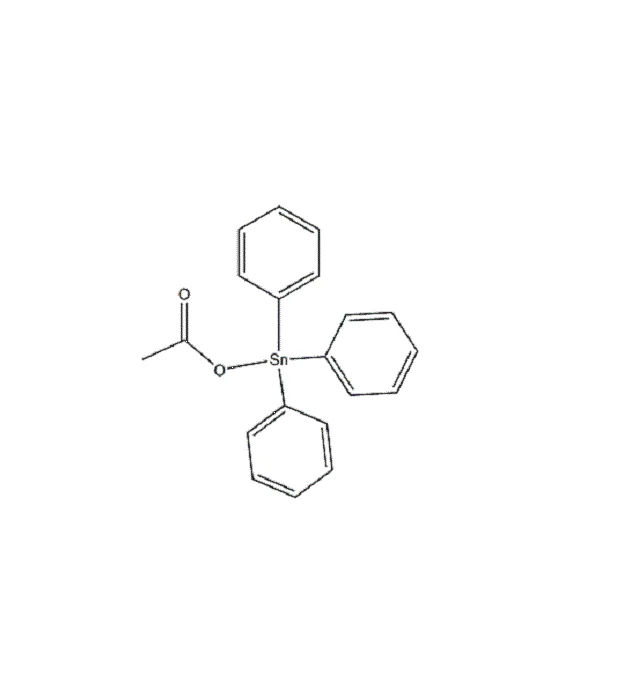
Fentin Acetate
Triphenyltin Acetate is an organotin compound. Triphenyltin Acetate much like its hydroxide analogue is used as a fungicide and antifeeding compound for insect control. Recent studies show that Triphenyltin Acetate may have adverse effects on the reproductive and immune systems and may disrupt the endocrine system.
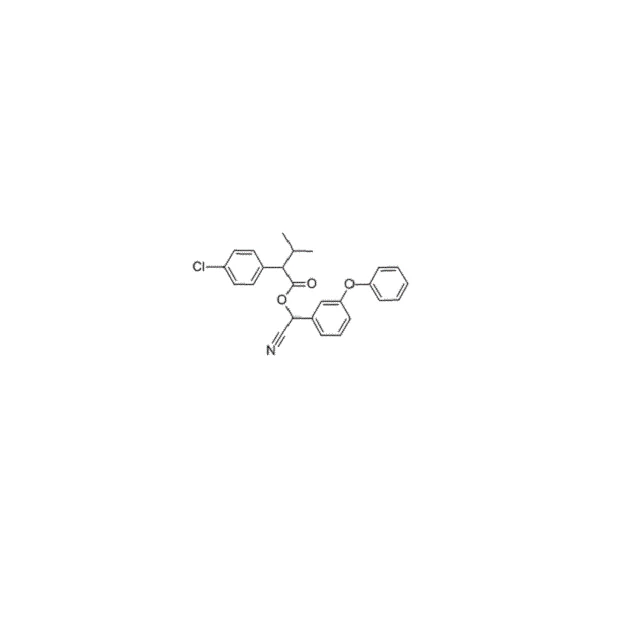
Fenvalerate
Broad spectrum, high efficiency and fast pyrethroid. It is mainly used for contact and stomach toxicity. It has no internal absorption and is ineffective against mites. It is effective for Lepidoptera larvae, Orthoptera, Hemiptera and Diptera pests. It is used to control cotton aphids, leafhoppers, bug bugs, cabbage worms, cabbage worms, soybean borers, wheat stickworms, pink bollworms, cotton bollworms, and citrus leaf miner larvae. It is recommended to spray 2000 times water with 20% EC. Be careful not to use near mulberry garden, fish pond and bee farm. The resistant aphids and bollworms should not be used.
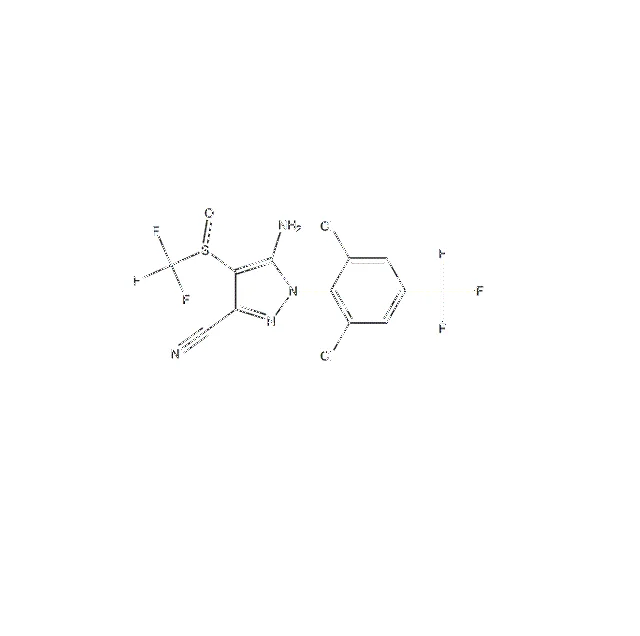
Fipronil
The pure product is white solid, m.p.200.5-201 °C, relative density 1.48-1.63, vapor pressure 3.73 × 10⁻⁷pa (2.8 × 10⁻⁷pa) (20 °C). Solubility: acetone 54.6g/100ml, dichloromethane 2.23g/100ml, methanol 13.75g/100ml, hexane and toluene 0.3g/ml, water 1.9mg/l. Partition coefficient (n-octanol / water) 4.0. It is stable under normal storage conditions, with a half-life of 135d in water and 8h in water. It is mainly used in rice, sugarcane, potato and other crops. Animal health care is mainly used to kill fleas and lice and other parasites on cats and dogs.