

Browse 961 Chemical Products and Raw Materials
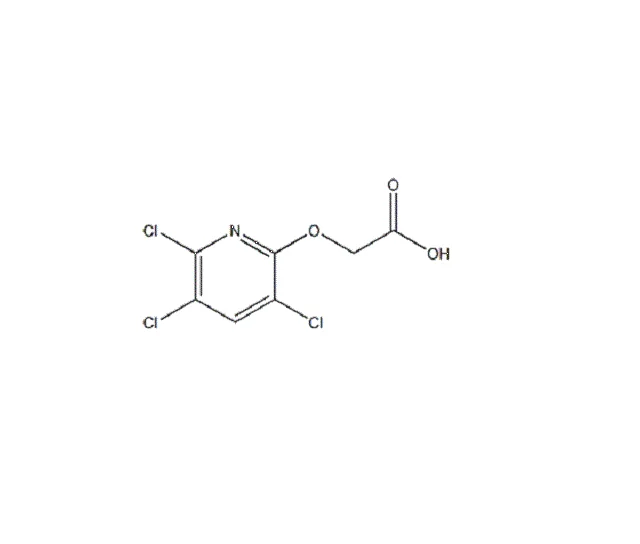
Triclopyr
Triclopyr is a systemic, foliar herbicide in the pyridine group. It is used to control broadleaf weeds while leaving grasses and conifers unaffected.
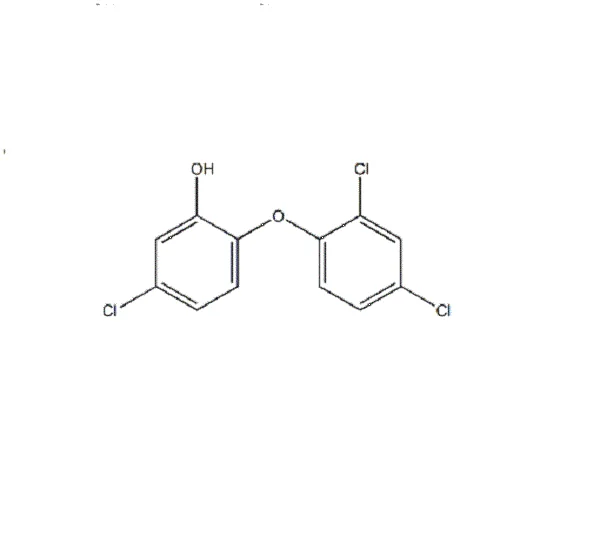
Triclosan
Triclosan, similar in its uses and mechanism of action to triclocarban, is an antibacterial and antifungal agent found in numerous consumer products, including soaps, detergents, toys, and surgical cleaning treatments. Its efficacy as an antimicrobial agent and the risk of antibacterial resistance remains controversial. Additional research seeks to understand its potential effects on organism and environmental health.
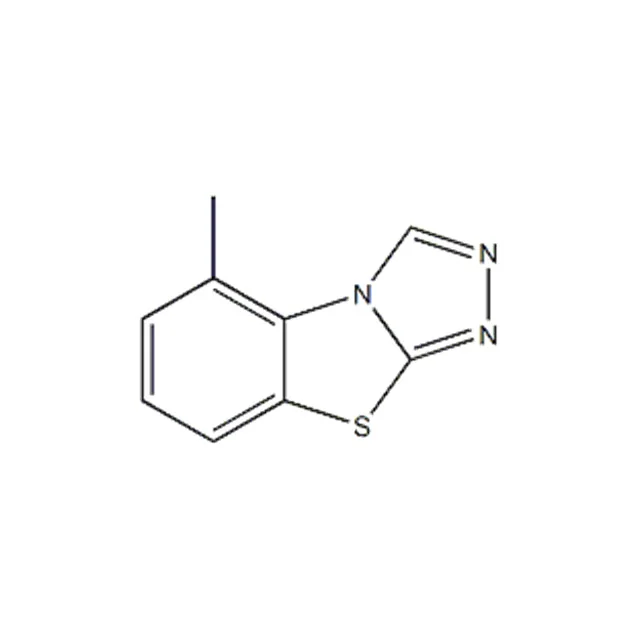
Tricyclazole
Tricyclazole is an common active ingredient in several commercial fungicide products used to control rice blast fungus, in transplanted and direct-seeded rice.
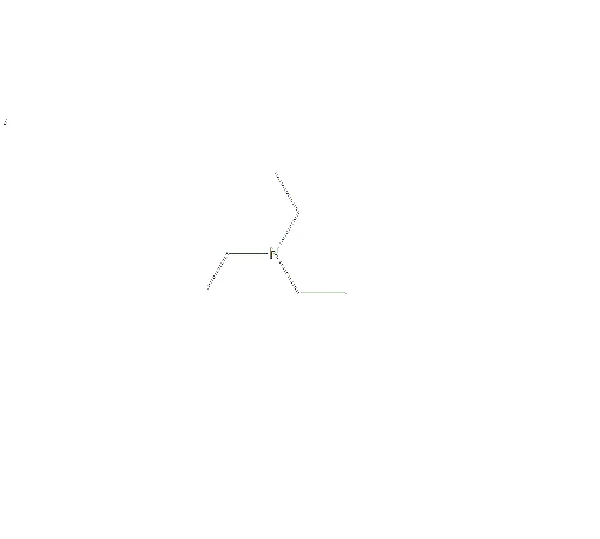
Triethylamine
Triethylamine is the chemical compound with the formula N(CH2CH3)3, commonly abbreviated Et3N. It is also abbreviated TEA,
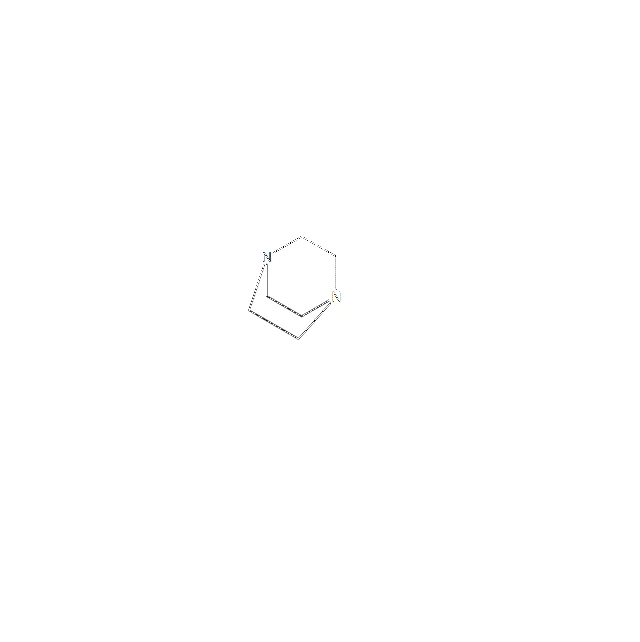
Triethylenediamine
Anhydrous material is combustible white crystal, which is easy to deliquesce. Soluble in water, ethanol, acetone and benzene. The solubility is 45g / 100g in water, 77g / 100g in ethanol, 13g / 100g in acetone and 51g / 100g in benzene at 25 °C.
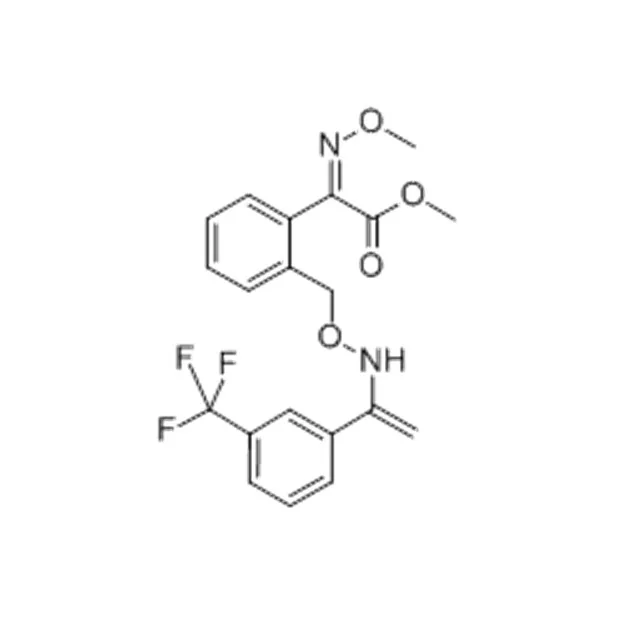
Trifloxystrobin
Trifloxystrobin is a strobilurin foliar fungicide. Trifloxystrobin inhibits mitochondrial respiration by blocking electron transfer within the respirator chain. Therefore, trifloxystrobin is a potent inhibitor of 2 fungal spore germination and mycelial growth. It has a high level of activity against many fungal pathogens within the Ascomycete, Deuteromycete, Basidiomycete, and Oomycete classes.
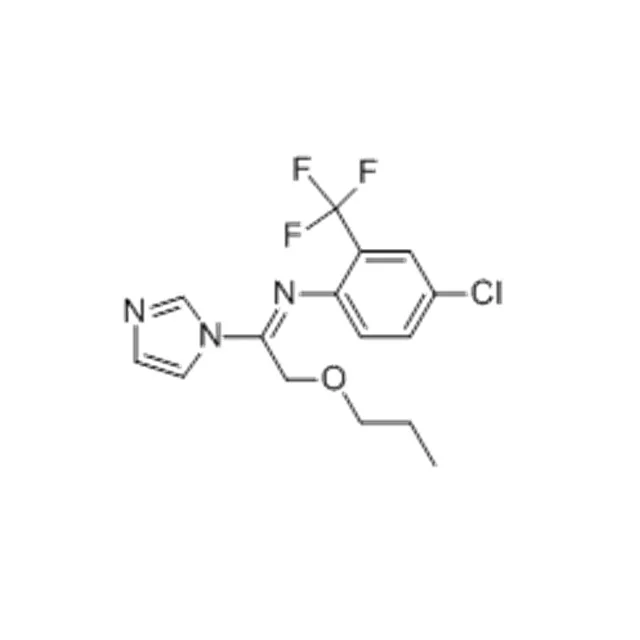
Triflumizole
Suitable for controlling powdery mildew of melons and vegetables.Control of Gymnosporangium and Venturia spp. in pome fruit,against powdery Erysiphaceae in fruit and vegetables,and against Fusarium, Fulvia and Monilinia spp. It is also used as a seed treatment against Bipolaris oryzae, Tilletia and Ustilago spp. in cereals.
Trifluoroacetic Acid
Colorless volatile smoking liquid, similar to acetic acid, with hygroscopic and irritating odor. Influenced by electron absorbing trifluoromethyl, it has strong acidity, which is 100000 times stronger than acetic acid. Melting point - 15.2 °C , boiling point 72.4 °C , density 1.5351g/cm³ (1 °C ). It is miscible with water, fluorohydrocarbon, methanol, ethanol, ether, acetone, benzene, carbon tetrachloride and hexane, and can partially dissolve carbon disulfide and alkanes above six carbon. It is an excellent solvent for protein and polyester. It is also an excellent solvent for organic reactions, , giving results that are difficult to obtain with general solvents. For example, when quinoline is catalytic hydrogenated in general solvents, pyridine ring is preferentially hydrogenated, but benzene ring is preferentially hydrogenated in trifluoroacetic acid. Trifluoroacetic acid is decomposed into fluoroform and carbon dioxide in the presence of aniline. It can be reduced to trifluoroacetaldehyde and trifluoroethanol by sodium borohydride or lithium aluminum hydride. Stable above 205 °C , ester and amide derivatives are easy to hydrolyze, so they can be used to prepare sugar, amino acid and peptide derivatives in the form of acid or anhydride. It is easy to dehydrate to trifluoroacetic anhydride under the action of phosphorus pentoxide.
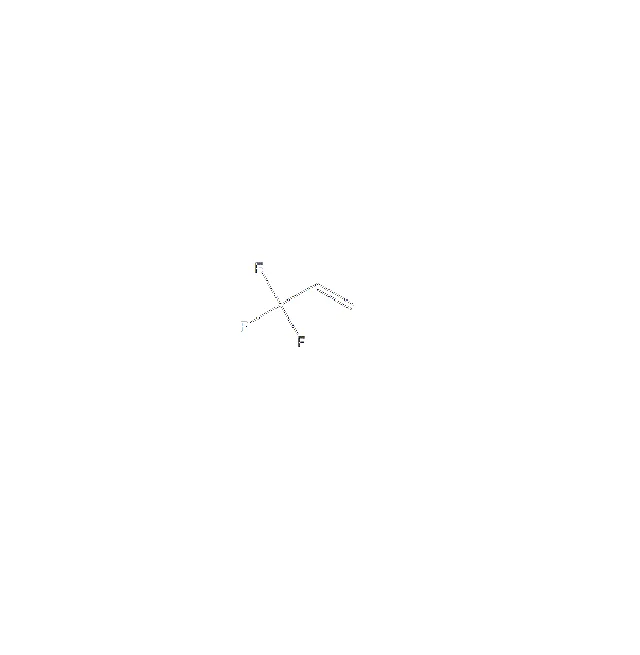
Trifluoropropene
Fluorine chemicals and intermediates of fluorosilicone rubber.
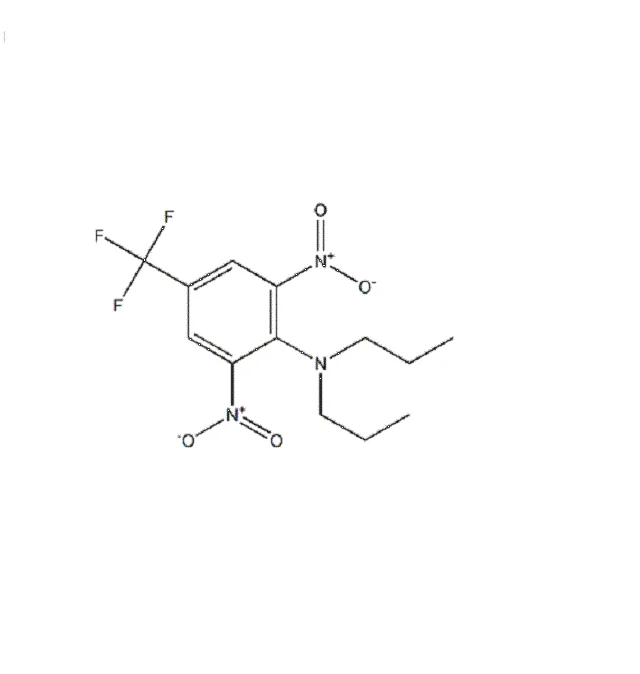
Trifluralin
Trifuralin (sold under trademe such as Treflan, Elancolan or Trefanocide) is a selective pre-emergence herbicide. It is used for pre-plant soil incorporation for the control against annual grasses and some broadleaf annual weeds. It is widely used on soybeans and cotton. It also finds its use in a large number of food crops, including broccoli, cabbage, onions, leafy green vegetables, beans, tomatoes, potatoes, wheat, sugar beet, and sugar cane. For its use on fruit trees, the plant must not be bearing fruit at the time of application. It may also be used to protect residential ornamental plants, such as trees, herbaceous plants, woody shrubs, and vines. Trifluralin has low water solubility. It has high affinity for soil and is relatively immobile. It is not acutely toxic mammals, but it is highly toxic to fish and other aquatic organisms.
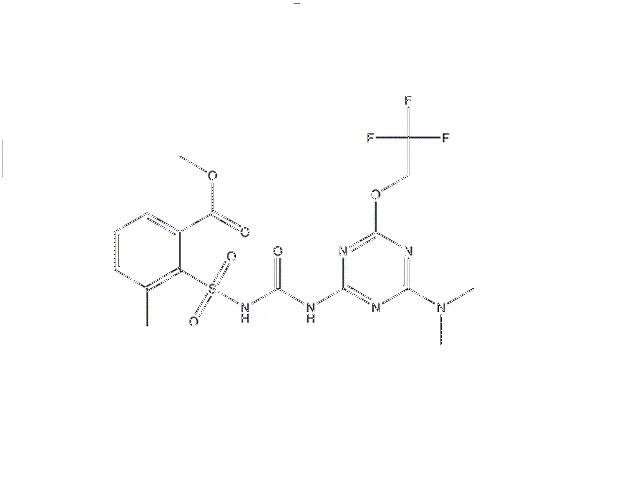
Triflusulfuron-methyl
Application:Sulfonylurea herbicide, inhibit plant acetyl lactic acid synthetase, and block the branched chain amino acid biosynthesis, thus affecting plant cells divide and grow. Used to control sensitive broadleaf weeds and gramineous weeds. Under the effect of reagent, the weeds to suspend the growth, then green, until they die. Can be used for sugar beet crops such as bud after weeding, high safety, recommended dosage of 10 ~ 25 g/hm2. Adding 0.05% ~ 0.25% non-ionic surfactants or 0.5% ~ 1.0% vegetable oil, help to improve its compatibility, and improve the activity of certain plants.
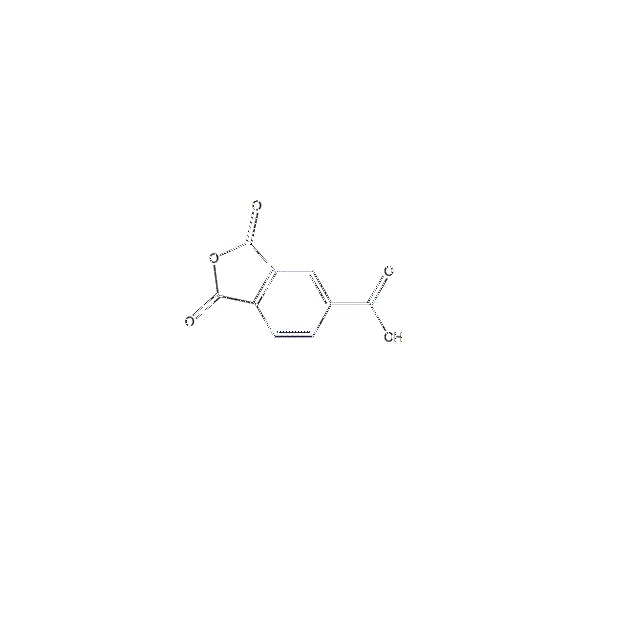
Trimellitic Anhydride
With the large-scale ethylene plant, the resource of trimethylbenzene is increasing. As the raw material of plasticizer with excellent heat and weather resistance, the consumption of trimellitic anhydride is also increasing. In the total consumption, more than 90% of the product is used as plasticizer dioctyl metaphenyltriate of PVC. With the popularization of all kinds of electrical products, trimellitic anhydride plasticizer with excellent heat resistance can be used in the heating part of all kinds of electrical products. The product is also used to manufacture polyester resin, polyimide resin, water-soluble polyester resin, water-soluble polyurethane resin, water-soluble amino alkyd resin, advanced aviation lubricating oil, power capacitor impregnating oil, granular binder, sizing agent, smoke suppressant, instantaneous binder, etc. It has application fields in electric wire and cable, artificial leather for car upholstery, drainage hose of electric washing machine, blinds, handbags, sealing materials and fillers, etc. 1,2,4-phthalic anhydride can also be used as curing agent of epoxy resin, heat-resistant insulating lamination, heat-resistant varnish, stabilizer, dye pigment, surfactant, film, polyacid for water-soluble coating, etc.
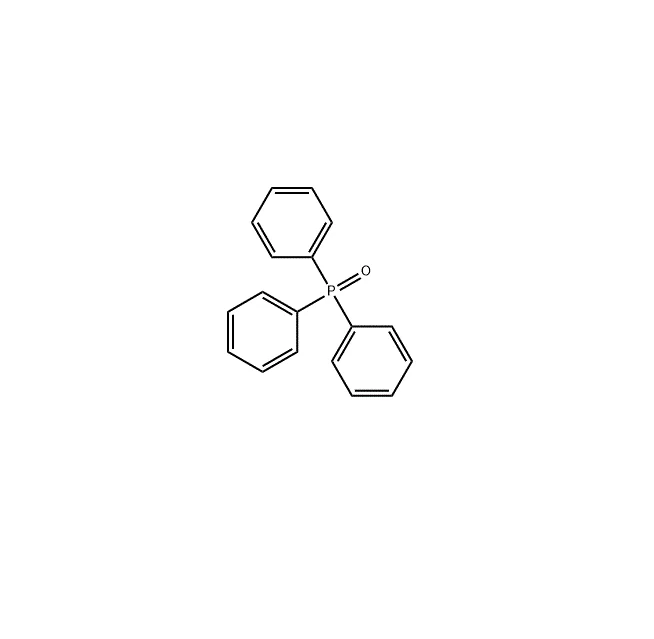
Triphenylphosphine Oxide
Pure white crystalline powder, soluble in alcohol and benzene, insoluble in petroleum ether, slightly soluble in hot water, irritating. This product is mainly used as a solvent, catalyst, and corrosion inhibitor; it is also used in the synthesis of rubber accelerators and other fine chemicals. It is also used as a polyurethane catalyst and a catalyst for the synthesis of aminobenzyl penicillin and hydroxybenzyl penicillin.
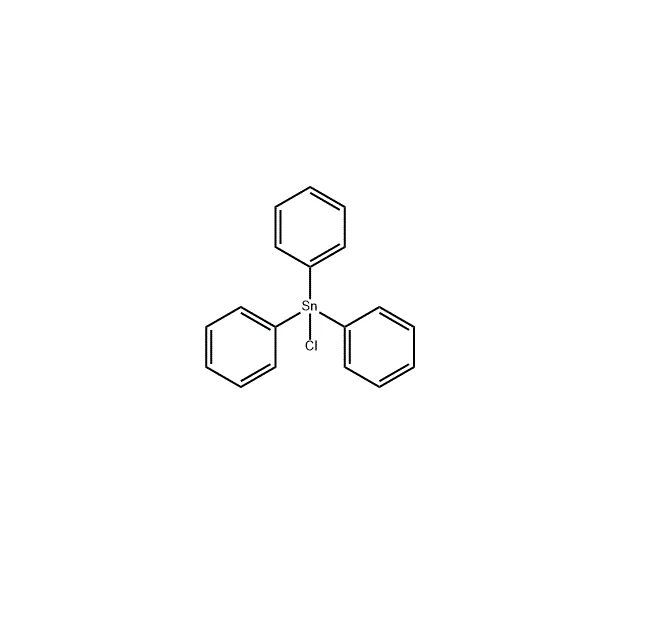
Triphenyltin Chloride
Triphenyltin chloride is a white or grayish white powder crystal, insoluble in water, easily soluble in organic solvents (benzene, xylene, ethanol, etc.), colorless after dissolution, and stable at room temperature. It has medium toxicity and can be degraded in natural environment and metabolized in organism). The coating on the metal does not have double potential corrosion.
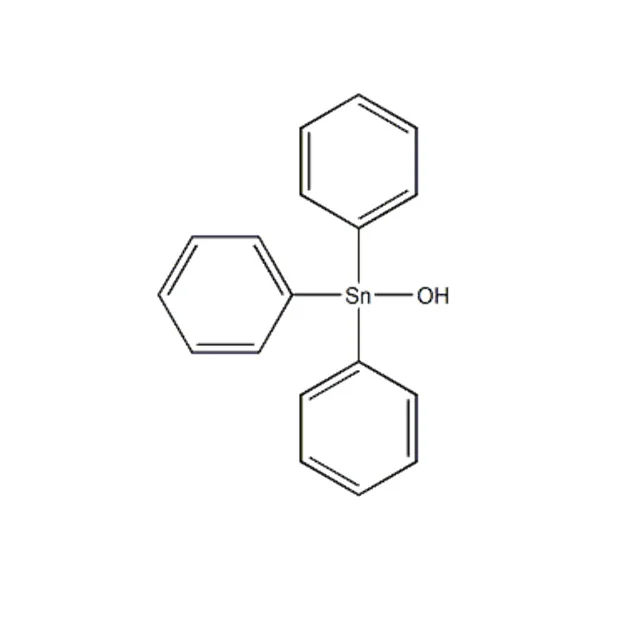
Triphenyltin Hydroxide
Triphenyltin Hydroxide is an organotin compound. Triphenyltin Hydroxide is used as a fungicide and antifeeding compound for insect control. Recent studies show that Triphenyltin Hydroxide may have adv erse effects on the reproductive and immune systems and may disrupt the endocrine system.
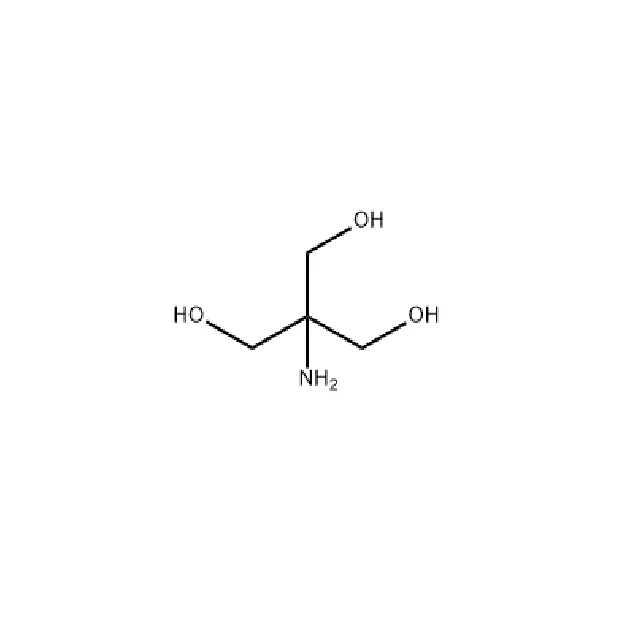
Tris Base
Tromethamine is a sodium-free amino buffer base, which reacts with H2CO3 in body fluids, reduces H2CO3, and at the same time generates HCO32-, which can absorb hydrogen ions to correct acidemia. It has a strong effect and is transparent It is often used for acute metabolic and respiratory acidemia.
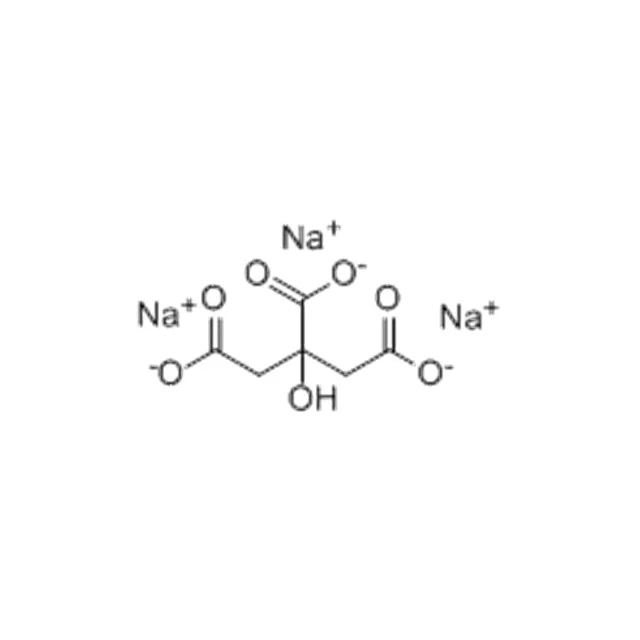
Trisodium Citrate
Trisodium citrate is chiefly used as a food additive, usually for flavor or as a preservative. Its E number is E331. Sodium citrate is employed as a flavoring agent in certain varieties of club soda. Sodium citrate is common as an ingredient in Bratwurst, and is also used in commercial ready to drinkbeverages and drink mixes, contributing a tart flavor.
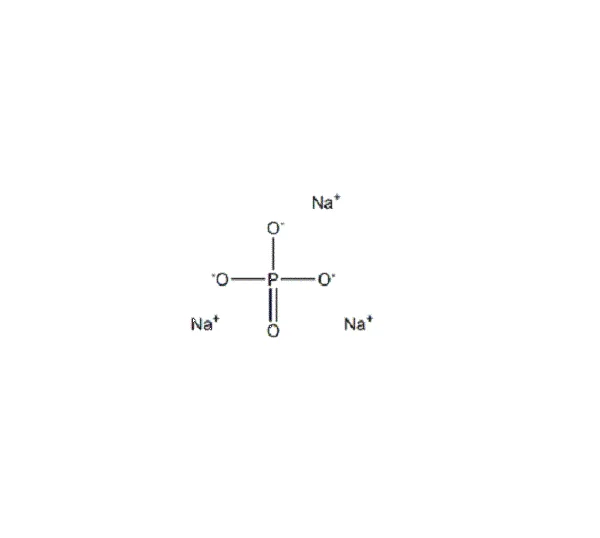
Trisodium Phosphate
Trisodium phosphate (TSP) is the inorganic compound with the formula Na3PO4. It is a white,
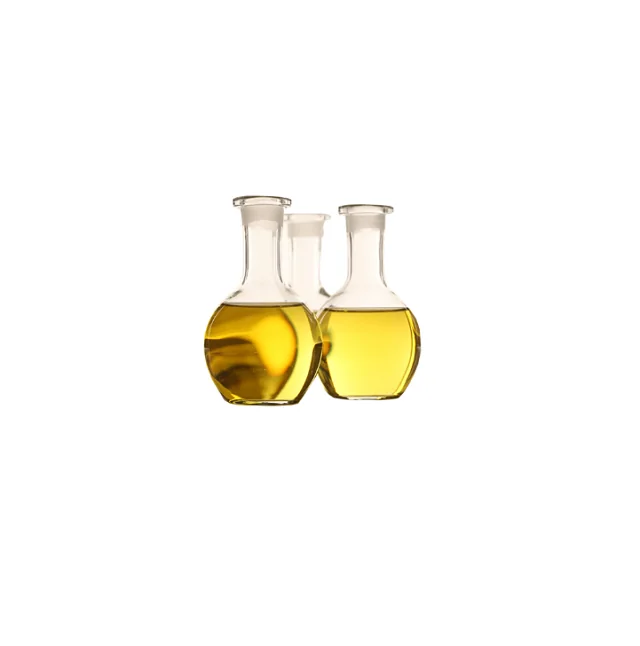
Turpentine Oil
Turpentine is an oil-bearing resin of coniferous trees. The natural oil-bearing resin (resin turpentine) is a yellowish opaque block, and its distillate is turpentine, the latter is a colorless volatile liquid. It has a special smell. Turpentine is widely used as a chemical raw material. It has opportunities to contact turpentine in art glass, paint, camphor manufacturing, pharmaceutical, rosin manufacturing and other industries.
Ubidecarenone
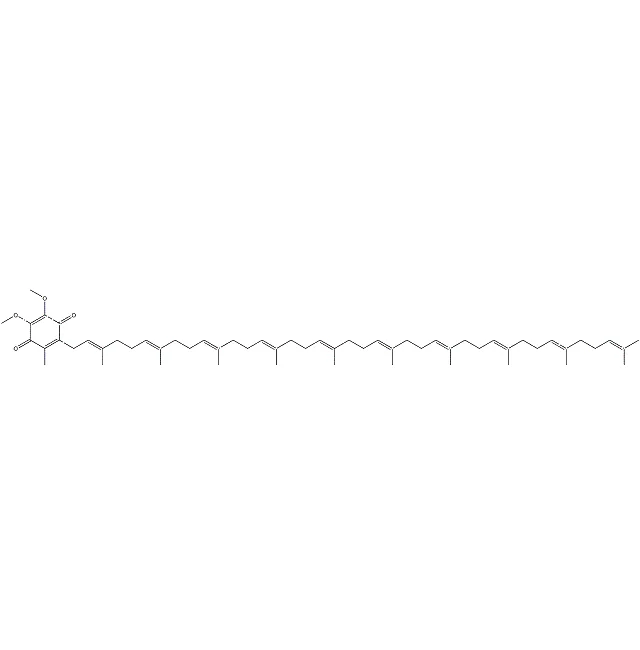
Coenzyme Q10 is a kind of small molecule fat soluble quinone organic compound widely existing in animal and plant cells. Its structure is similar to that of vitamin K. It is a strong antioxidant when used alone or in combination with vitamin E. It is necessary to drive the energy generation (ATP) cycle of human body. It has the function of promoting oxidative phosphorylation reaction and protecting the structural integrity of biofilm. Coenzyme Q from different sources has different number of isopentene units in its side chain. Human and mammalian are 10 isopentene units, so it is called coenzyme Q10. Coenzyme Q plays an important role in proton translocation and electron transfer in respiratory chain. It is an activator of cell respiration and metabolism, an important antioxidant and nonspecific immunoenhancer. Modern biological research has found that too much free radicals in the body will lead to the damage of genetic material and cell membrane. The macroscopic manifestations are aging, cancer and other symptoms. The process of scavenging free radicals is also known as "antioxidant". We know that life activities are driven by a variety of enzymes. Enzymes are macromolecular proteins. Some enzymes need the help of some small molecules when they perform their functions. These substances are called coenzymes. Coenzyme Q10 is present in mitochondria of cells. Mitochondria are the places where energy is produced in cells. Many enzymes and other molecules are involved in the process of energy production, and coenzyme Q10 is an indispensable one.
Urea
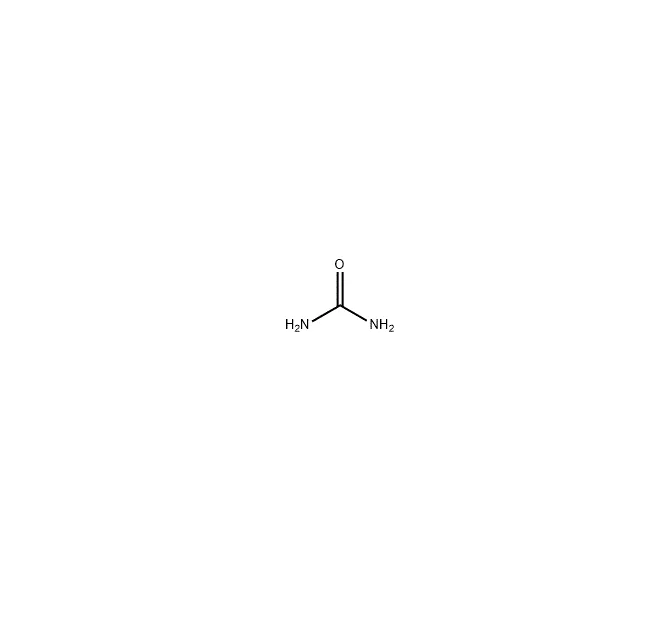
Urea, also known as urea or carbonamide, is a final product of protein metabolism in humans and mammals, and it is also a major organic nitrogen compound excreted by animals. The pure product is white granular or needle-like or prismatic crystals, mixed with heavy metals such as iron, and then appears reddish or yellow. It is tasteless and odorless, easily soluble in water, ethanol and benzene, but hardly soluble in ether and chloroform. 100 kilograms of water can dissolve 105 kilograms of urea at 20°C, and absorb heat during dissolution. The aqueous solution showed a neutral reaction. The nitrogen content of pure product is 46.65%, agricultural urea is 42% ~ 46%, and it contains a small amount of biuret, generally less than 2%, which is usually harmless to crop growth; the specific gravity and bulk density of urea are small, per cubic meter of fertilizer It weighs 0.65 tons.
Urokinase
Urokinase (trade name Abbokinase), also called urokinase-type plasminogen activator (uPA), is a serine protease (EC3.4.21.73). It was discovered in 1947 by McFarlane. Urokinase was originally isolated from human urine, but is present in several physiological locations, such as blood stream and the extracellular matrix. The primary physiological substrate is plasminogen, which is an inactive form (zymogen) of the serine protease plasmin. Activation of plasmin triggers a proteolysis cascade that, depending on the physiological environment, participates in thrombolysis orextracellular matrix degradation. This links urokinase to vascular diseases and cancer.
VANAX A
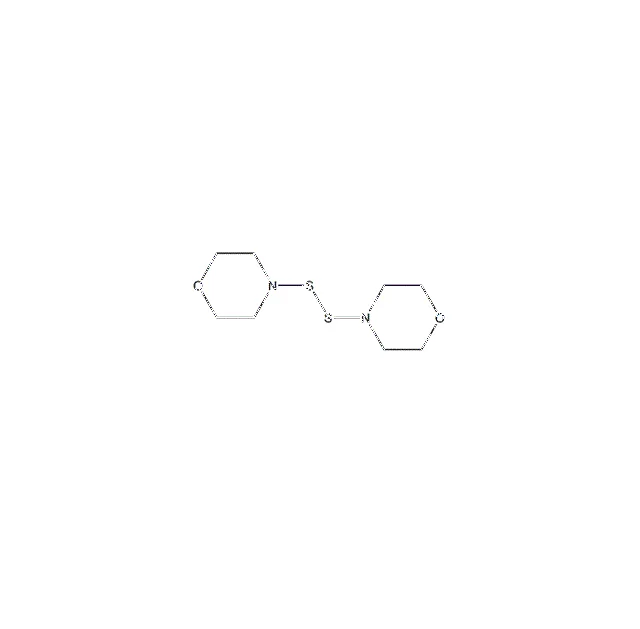
This product can be used as curing agent and accelerant of natural rubber and synthetic rubber. It is not frosted, polluted, discolored and easy to disperse. The heat resistance and aging resistance of the vulcanizate are good when it is used in effective and semi effective vulcanization systems. It can release active sulfur at sulfurization temperature, the effective sulfur content is 27%, the operation is safe, the sulfurization speed is slow when it is used alone, and the sulfurization speed can be improved when it is used together with thiazole, tyrum and dithiocarbamate. This product is especially suitable for butyl rubber. It is used to make tires, butyl inner tubes, rubber belts and heat-resistant rubber products. It is also used as the asphalt stabilizer for highway.
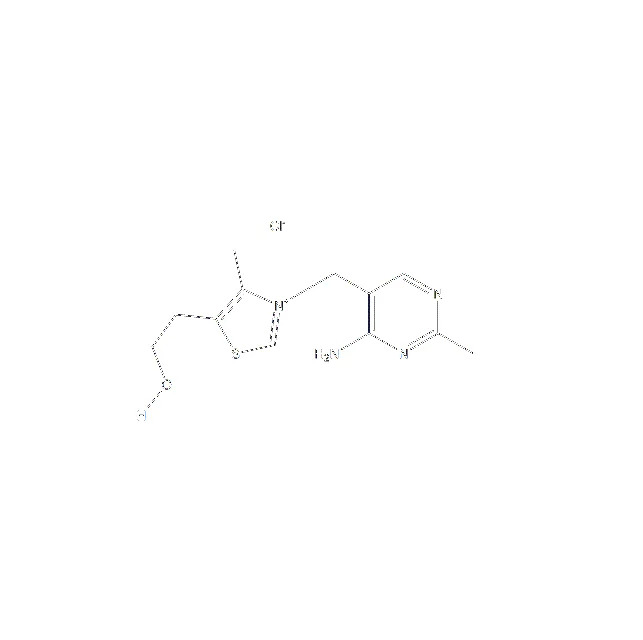
VB1
Vitamin B1, also known as "thiamine" or "thiamine", is one of the B vitamins. It can promote normal glucose metabolism, and it is necessary to maintain the normal function of nerve conduction, heart and gastrointestinal tract. It combines with adenosine triphosphate to form vitamin B1 pyrophosphate (thiamine diphosphate or coenzyme), which is a coenzyme necessary for carbohydrate metabolism. The lack of this coenzyme can cause oxidative metabolism to be blocked and form pyruvate and lactic acid accumulation, which affects the body’s Energy supply. Vitamin B1 can also inhibit the activity of cholinesterase, when it is lacking; cholinesterase activity is enhanced, acetylcholine hydrolysis is accelerated, resulting in nerve impulse conduction obstacles, affecting gastrointestinal and myocardial function. Vitamin B1 is rich in seed husks and germs, such as rice bran, wheat bran, etc.; the content of coarse grains is higher than that in refined rice or white flour. Others such as yeast, lean meat, peanuts, soybeans, liver, whole wheat, fresh vegetables such as cabbage, celery, Chinese medicine parsnip, plantain, and coix seed are all rich in vitamin B1. It can be used as a spice, mainly for the preparation of bitter beverages.