

Browse 961 Chemical Products and Raw Materials
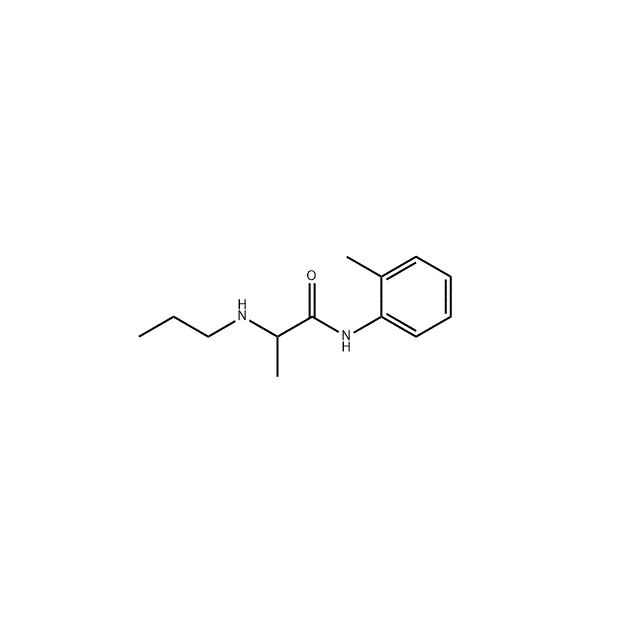
Prilocaine
Prilocaine is an amide local anesthetic. Its intensity and speed are similar to lidocaine, but it lasts longer and has a weaker effect on vasodilation. The toxicity is lower than that of lidoca. It is clinically used for local anesthesia, especially for patients who are not allowed to use epinephrine.
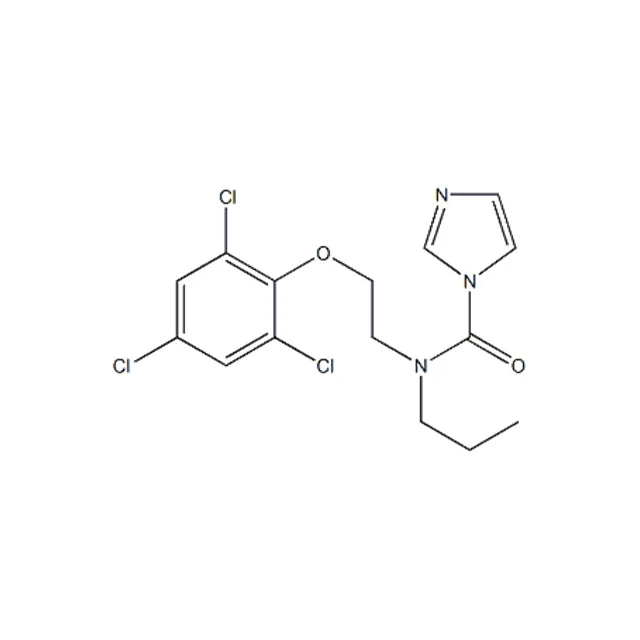
Prochloraz
Prochloraz is a fungicide active against a wide range of diseases affecting cereals, field crops, fruit and many other crops. It can be used for the control of pests including anthracnose, dothiorella complex, stem-end rot, and eyespot. It can be applied in fruits and fields including field crops; mushrooms; turf; avocados; Mangoes; Cereals including wheat, barley, and winter rye as well as winter oilseed rape.
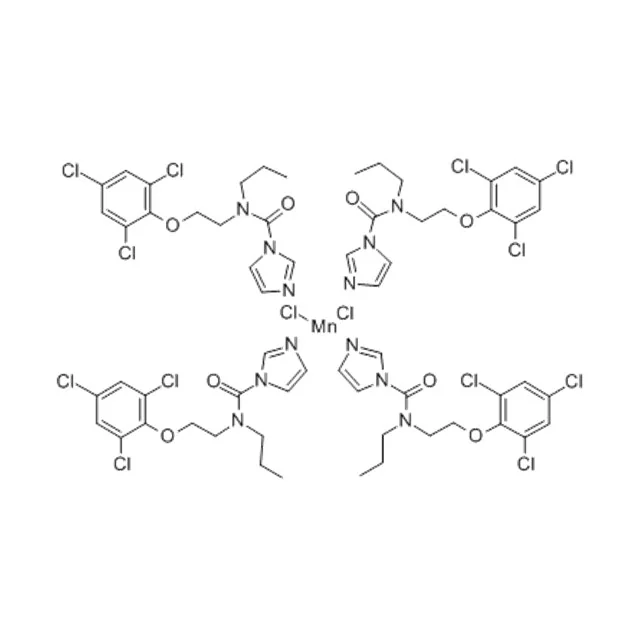
Prochloraz Manganese
Prochloraz Manganese is a broad-spectrum fungicide of imidazole, which uses the prochloraz-manganese chloride complex as an active ingredient to cause various crop diseases caused by ascomycetes.
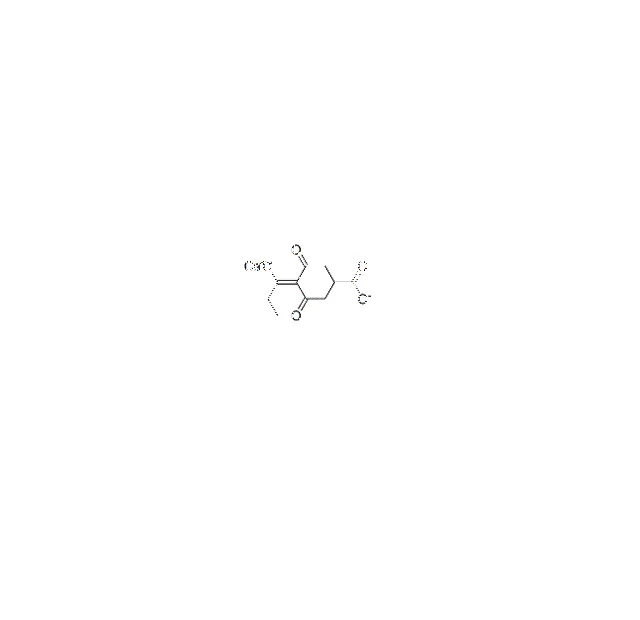
Prohexadione Calcium
Calcium cyclamate is a new plant growth regulator. The synthesis of gibberellic acid can be inhibited by leaf absorption of plant seeds and roots,. It can shorten the stem elongation of many plants. In addition, the dry matter accumulation, quality improvement and yield increase of the underground tuber and tuber crops, and the slight control on some fruit trees have a good effect on fruit color conversion and ripening. Compared with the triazole retarders widely used at present, calcium cyclamate has no residual toxicity to rotation plants and no pollution to the environment, so it is possible to replace triazole retarders and has a wide application prospect.
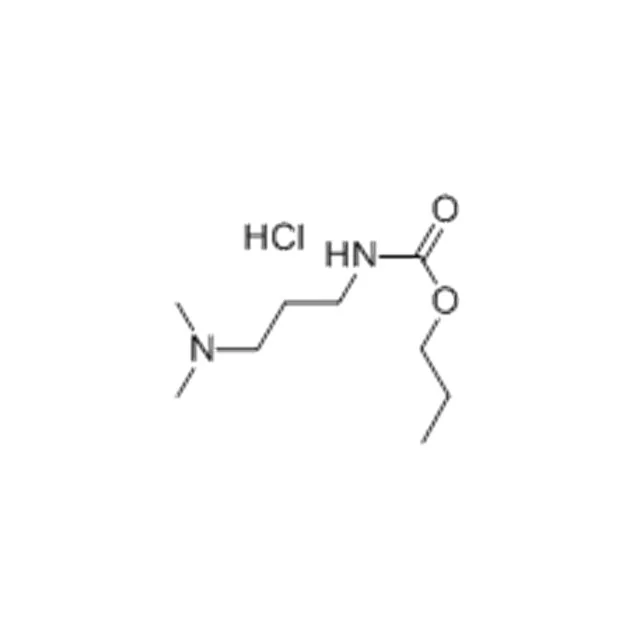
Propamocarb Hydrochloride
Propamocarb Hydrochloride is an efficient, broad-spectrum, safe carbamate fungicide.
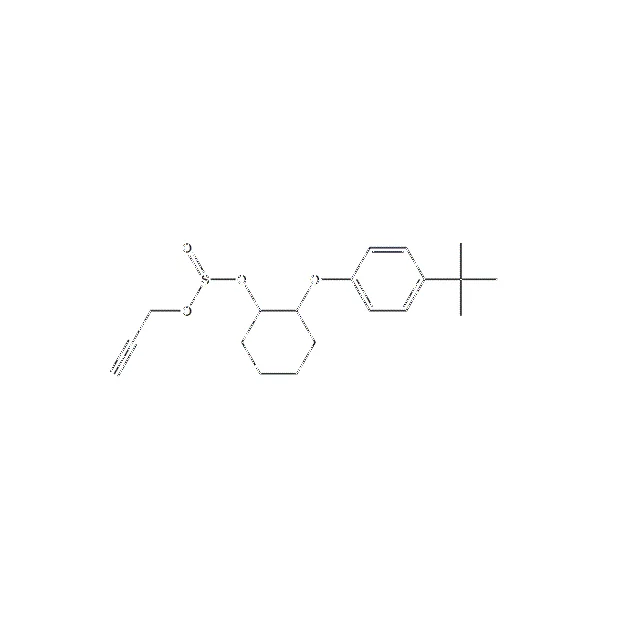
Propargite
The original medicine is a yellowish brown viscous liquid. The relative density is 1.14 (25 °C), the temperature is 160 °C, the refractive index is n20d1.5223. It is easy to dissolve in most organic solvents such as acetone, methanol, ethanol, benzene and so on. Its solubility in water is only 0.5mg/l. It is stable in the neutral solution, and can not be mixed with strong acid and alkali.
Propargyl Alcohol
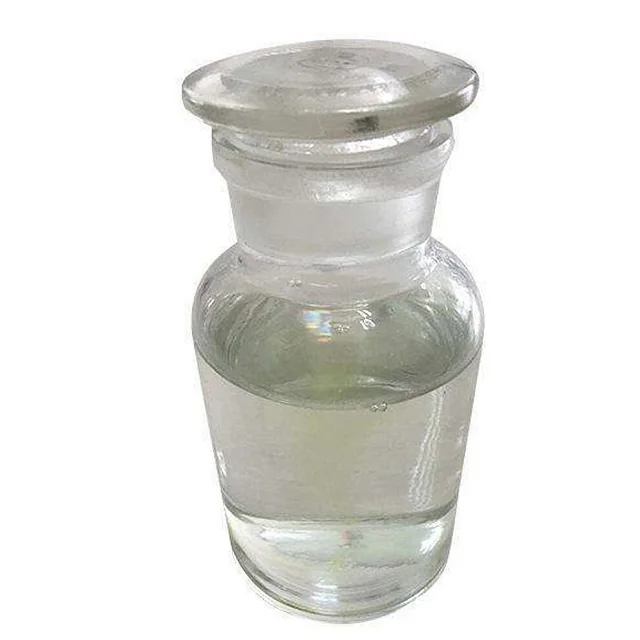
Propynol, also known as 2-propyn-1-ol, is an organic compound with the chemical formula C3H4O. It is a colorless and transparent liquid and is highly toxic. It is used as a rust remover, chemical intermediate, corrosion inhibitor, solvent, stabilizer, etc. Organic synthesis intermediates, solvents, stabilizers for chlorinated hydrocarbons. It can be used alone as a corrosion inhibitor, and it is best to be compounded with a substance that produces a synergistic effect to obtain higher corrosion inhibition efficiency. For example, in order to increase the corrosion inhibition effect of alkynol in dilute sulfuric acid solution, it is recommended to add sodium chloride, potassium chloride, calcium chloride, potassium bromide, potassium iodide or zinc chloride.
Propiconazole
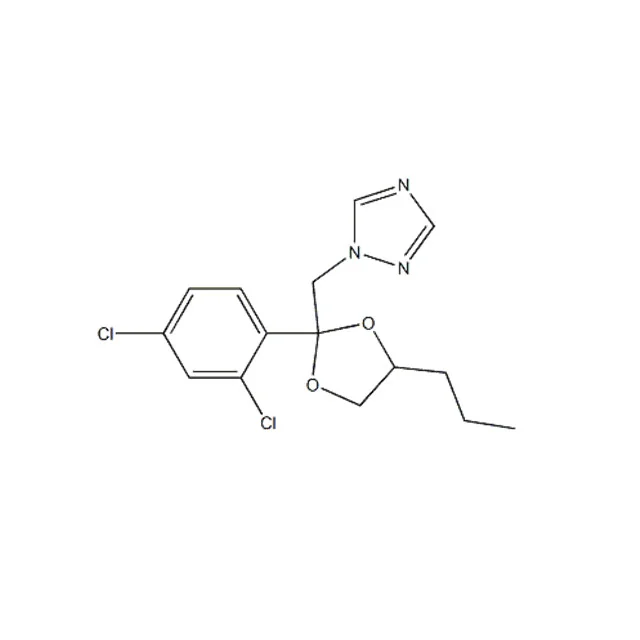
Propiconazole is a kind of protective and therapeutic effect of systemic fungicide, and can be absorbed by the root, stem, leaf, and can quickly in the plant body upward transmission, kill pathogenic bacteria in the body, has good control effect of banana leaf spot disease.
Propylene Carbonate
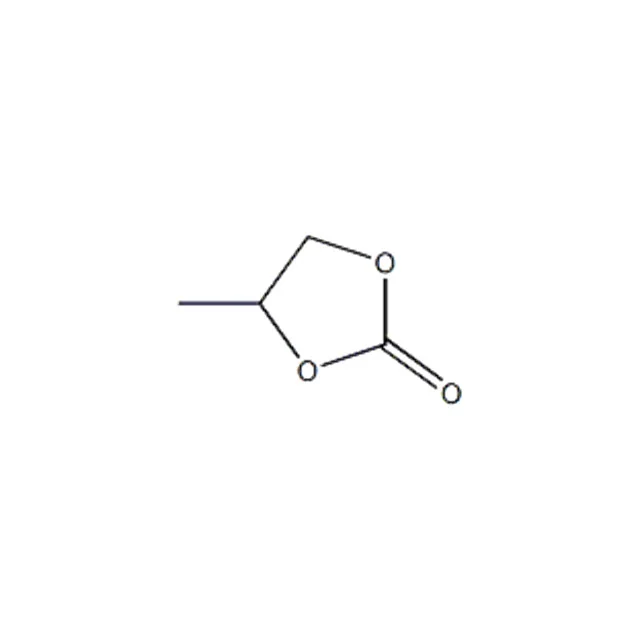
Propylene Carbonate (often abbreviated PC) is an organic compound with the formula C4H6O3. It is a carbonate ester derived from propylene glycol.This colorless and odorless liquid is useful as a polar, aprotic solvent. Propylene carbonate is chiral but is used exclusively as the racemic mixture. Propylene carbonate is used in a variety of syntheses and applications as a polar, aprotic solvent.
Propylparaben
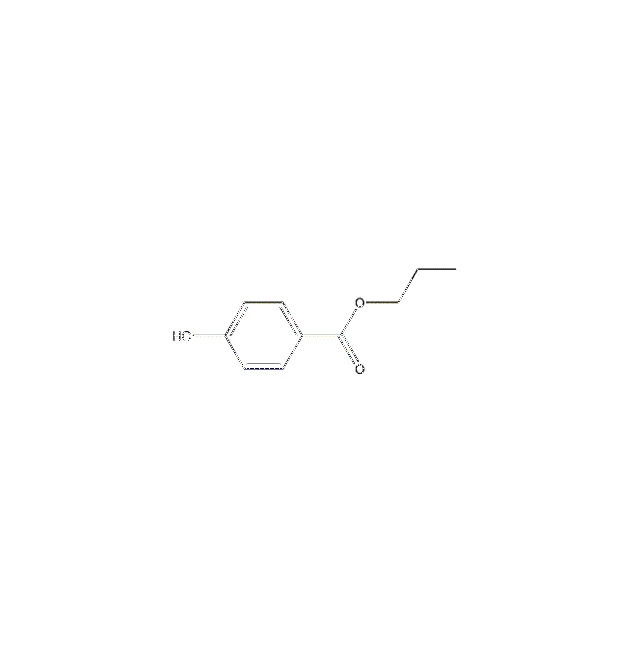
Propyl Nipagin, also known as niposol, propyl 4-hydroxybenzoate, propyl p-hydroxybenzoate. It is a kind of white crystal or powder with special smell. It is a food additive and organic synthetic raw material. It is a kind of food additive and organic synthetic raw material. It can be used as antiseptic and antiseptic additive for medicine, food, perfume, film and high-grade products, as well as organic synthetic reagent.
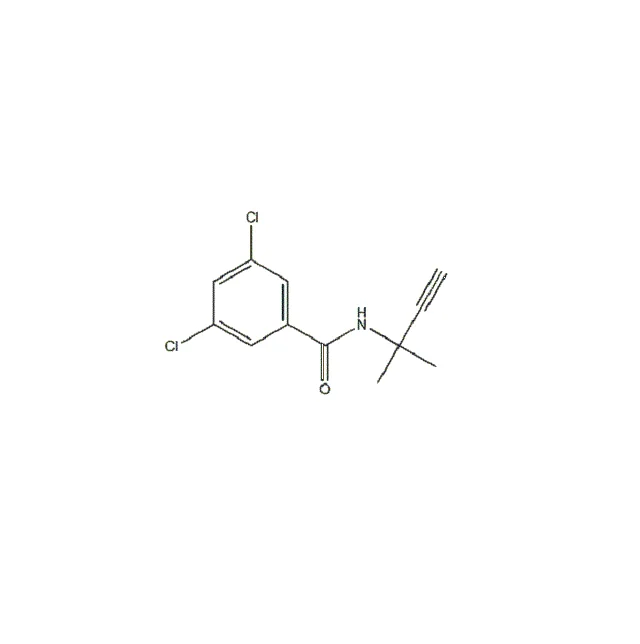
Propyzamide
It is use for herbicide. Preemergence or postemergence herbicide used to control many perennial and annual grasses and broad-leaved weeds in ornamental trees and shrubs, forestry, fruits and vegetables
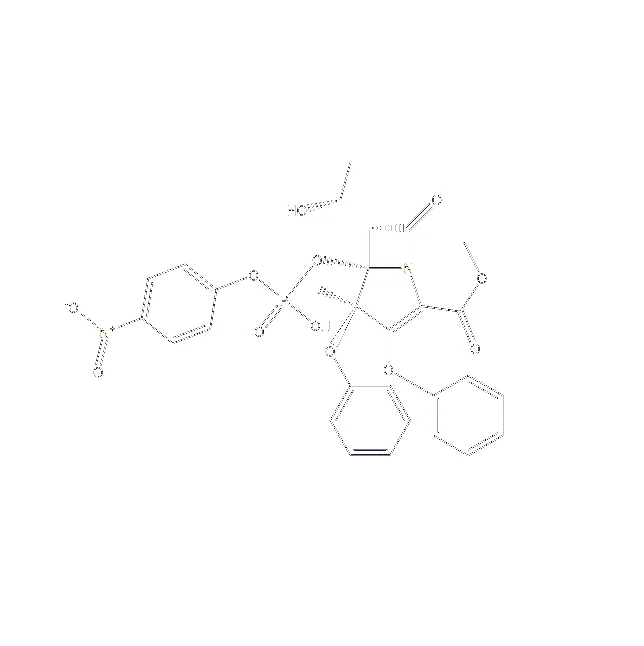
Proteinase K
Proteinase K is a powerful proteolytic enzyme isolated from Candida albicans. It has high specific activity and is a key reagent for DNA extraction. The enzyme is active in a wide pH range (4~12.5) and high temperature (50~70°C), and is used for the isolation of plasmid or genomic DNA and RNA.
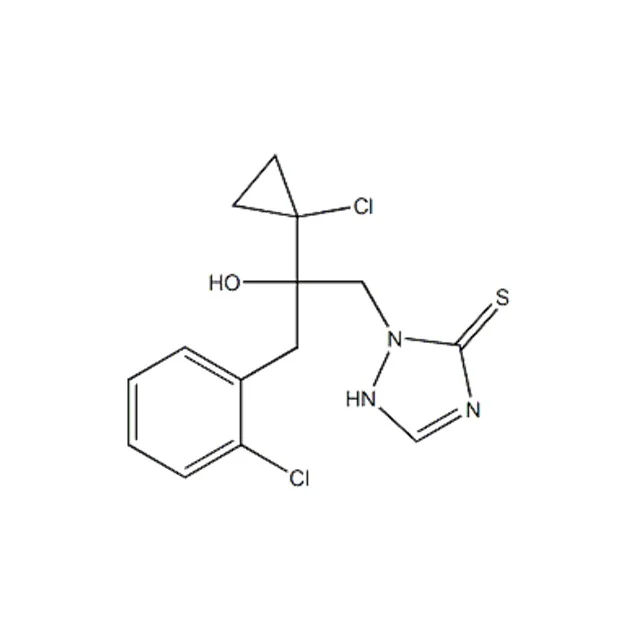
Prothioconazole
Prothioconazole is a synthetic compound of the triazolinthione family of compounds. It is a broad spectrum systemic fungicide, with curative, preventative and eradicative action. It can be used as both a seed treatment and a foliar treatment. After absorption it moves into cells of the target organisms, effecting sterol biosynthesis and thereby disrupting membrane structure.
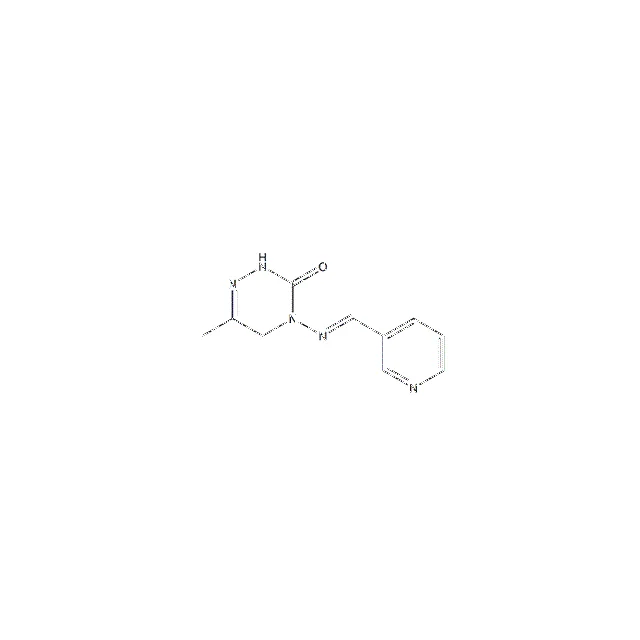
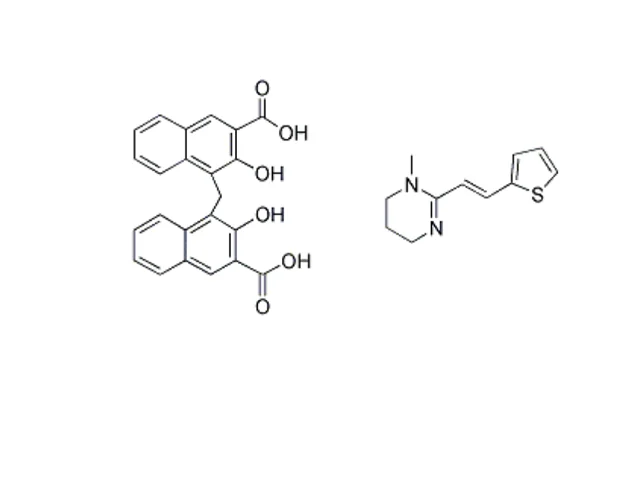
Pymetrozine
Pymetrozine belongs to pyridyl or triazine insecticides. Pymetrozine has high control effect on aphids, planthoppers, leafhoppers and whiteflies of rice, vegetable, cotton, wheat and fruit trees. The insecticide has excellent selectivity to Homoptera pests, better selectivity to aphids than the best insecticide, Pirimicarb, and good inhaling ability.
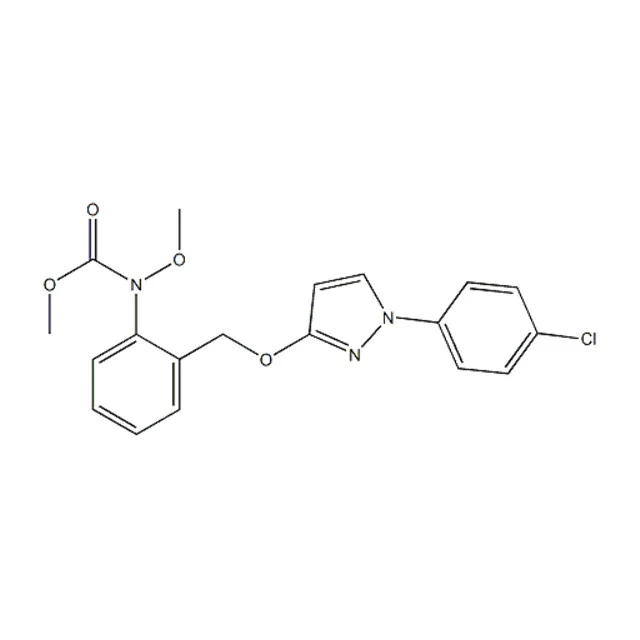
Pyraclostrobin
Pyraclostrobin is a fungicide for use in seed grass and food crops. Pyraclostrobin Mode of action Fungicide with protectant, curative, and translaminar properties.
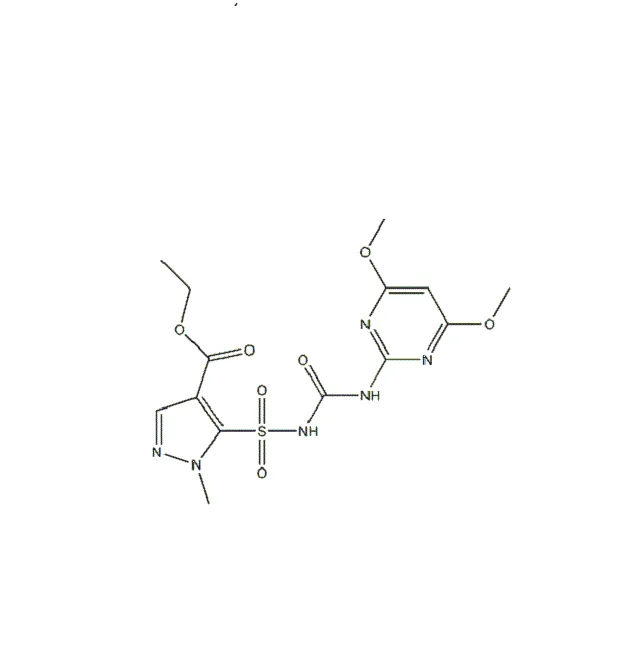
Pyrazosulfuron-ethyl
We can customize according to customer's requirement,
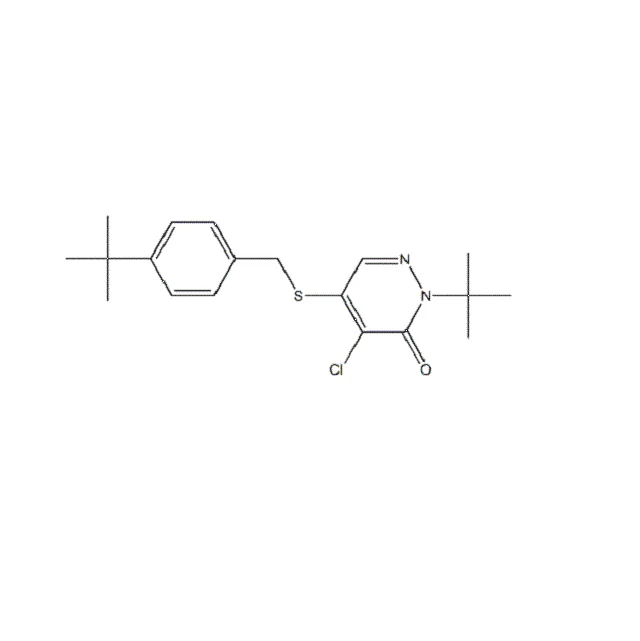
Pyridaben
The pure product is white and tasteless crystalline solid. m. P.111-112 °C, relative density 1.22 (20 °C), vapor pressure 0.25 × 10⁻³pa (20 °C). Solubility: acetone 460g / L, xylene 390g / L, benzene 110g / L, n-octanol 63g / L, ethanol 57g / L, cyclohexane 320G / L, hexane 10g / L, water 0.012mg/l. When stored at 50 °C for 3 months and under general conditions for 2 years, it is stable in most organic solvents and unstable to light.
Pyrimethanil
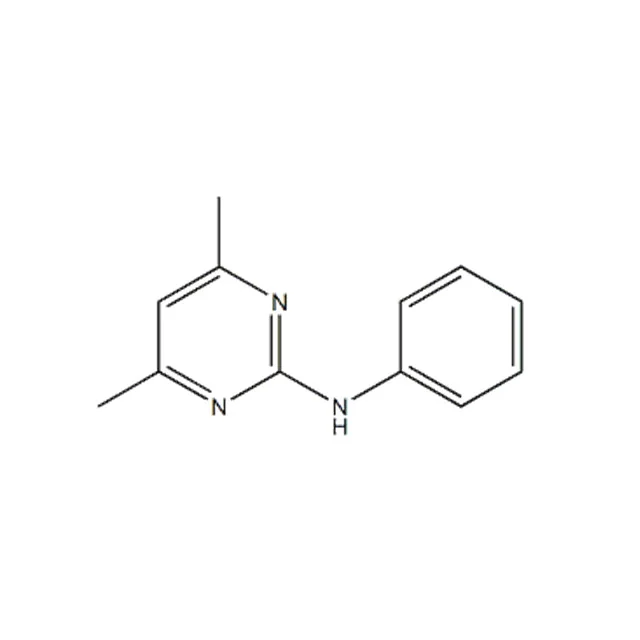
Pyrimethanil is pyrimidinamine fungicide. As Botrytis cinerea, Botrytis cinerea, Fusarium wilt higher fungicide activity in the prevention and treatment of current traditional medicines. Unique mechanism of action, by inhibiting the enzyme production of bacteria disseminated to prevent bacteria infection and kill bacteria.
Pyriproxyfen
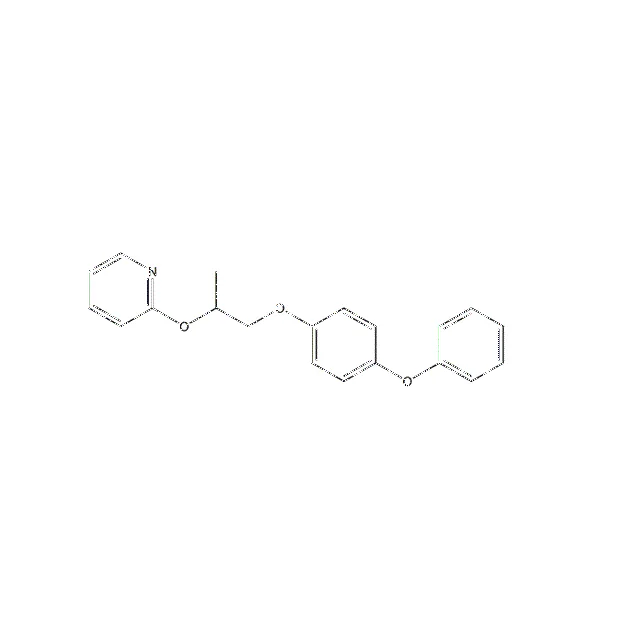
As a new type of insect growth regulator, pyrrolyl ether, also known as mieyoubao and mosquito fly ether, was successfully developed by Sumitomo Chemical Industry Co., Ltd. in Japan. It acts as a juvenile hormone of insects and has the effect of inhibiting pupation and emergence of mosquito and fly larvae. When mosquito and fly larvae contact with the insecticide, they basically die in pupa stage and cannot feather. The effective period of the insecticide is about 1 month. It is convenient to use and has no peculiar smell. It is a good insecticide for killing mosquitoes and flies.
Pyrocatechol Violet
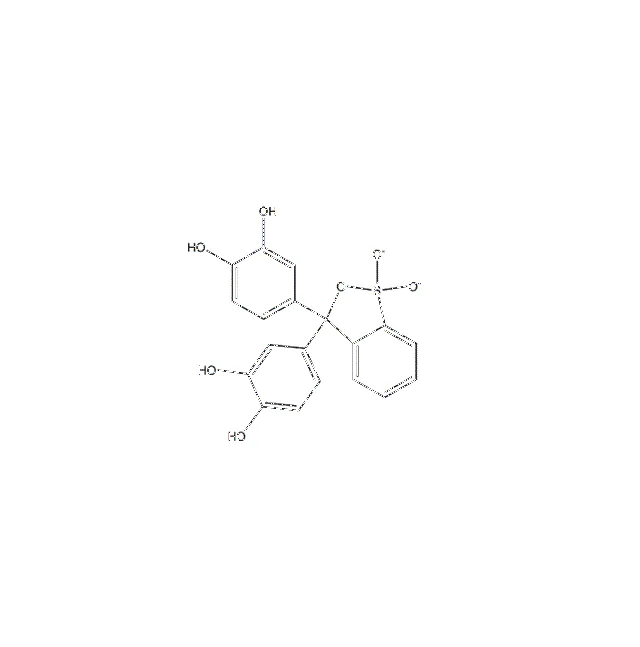
Reddish brown crystalline powder. Soluble in water and water-containing alcohol, slightly soluble in cold anhydrous ethanol, insoluble in non-polar organic solvents (such as ether, benzene, xylene). The aqueous solution is yellow. When the acidity increases, it turns from yellow to red. When the pH is above 6, it turns to cyan purple. When the pH is above 9, it turns to purple red. The aqueous solution is stable, but easy to be oxidized by oxidant.
Quinoline-3-carboxylic Acid
Quinoline-3-carboxylic acid is an aryl carboxylic acid. Aryl carboxylic acids are an important class of fine chemicals, which can be obtained by oxidizing methyl groups with 3-methyl-quinoline.
Quizalofop-P
Synonyms: Quizalofop-P [ISO Provisional]; (R)-( )-Quizalofop; DPX-Y 6202-31; Propaquizafop free acid; Propanoic acid, 2-(4-((6-chloro-2-quinoxalinyl)oxy)phenoxy)-, (2R)-; (2R)-2-{4-[(6-chloroquinoxalin-2-yl)oxy]phenoxy}propanoic acid