


Plant Growth Regulator (13)
Showing 1–12 of 13 products · Page 1 of 2
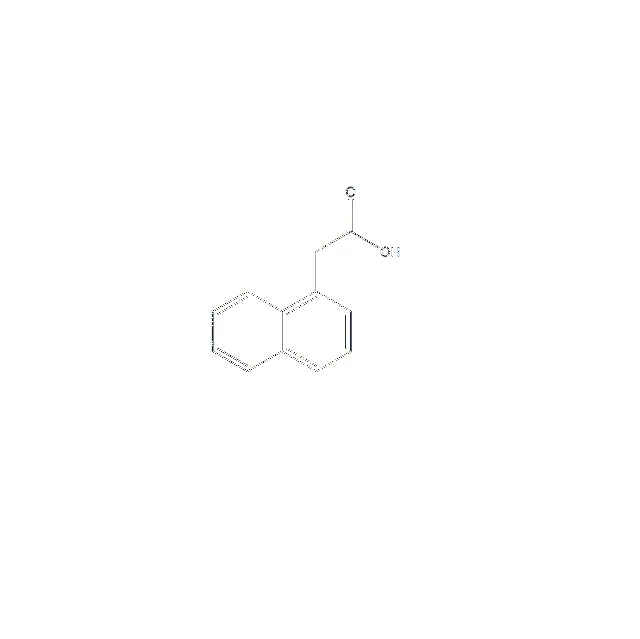
1-Naphthaleneacetic Acid
1-naphthylacetic acid, also known as naphthylacetic acid and α - naphthylacetic acid, is a broad-spectrum plant growth regulator. Its physiological function and mechanism are similar to indoleacetic acid, which can promote cell division and expansion, induce the formation of adventitious roots, increase fruit setting, prevent fruit falling, and change the ratio of female and male flowers. It can enter the plant through the tender epidermis and seeds of leaves and branches, and then be transported to the whole plant with nutrient flow. 1-naphthylacetic acid was synthesized by condensation of naphthalene and chloroacetic acid in the presence of catalyst potassium chloride or aluminum powder. Due to the low solubility of NAA in water, NAA is often made into sodium salt for dissolution and use. The dosage is very small, and the concentration is only about 10 ppm. It takes only a few tens of grams to convert 10000 M2 (15 mu) of land into effective ingredients. If the concentration of the solution is too high, it will inhibit the growth of plants. After soaking rice seeds in 10 ppm NAA solution for 2 hours, the seedlings returned to green quickly, had strong vitality, thick straw, and could increase yield. Spraying it on cotton plants and fruit trees can prevent cotton buds and bolls from falling off, keep fruit trees from falling before picking, and keep tomatoes and melons from falling.
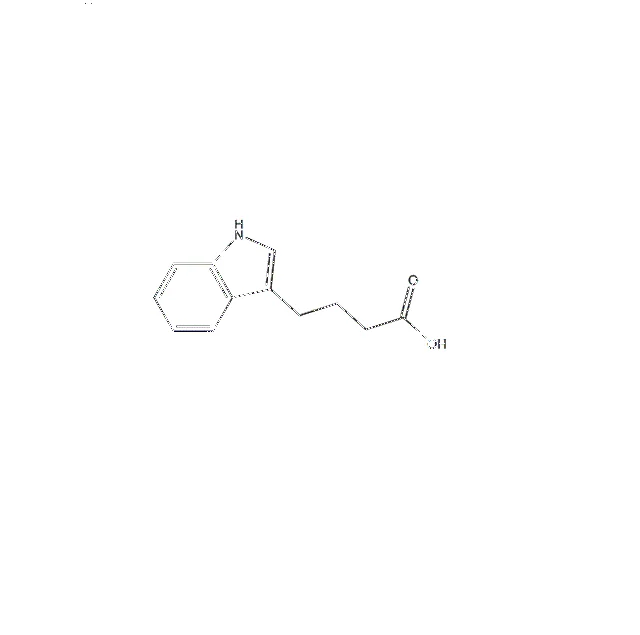
3-Indolebutyric Acid
Plant growth regulators are synthetic organic compounds with physiological activities, which are similar to plant hormones and can regulate plant physiological processes and control plant growth and reproduction. Indobutyric acid (IBA) and NAA are two commonly used plant growth regulators for cuttings and rooting. Among them, indobutyric acid is the best because it operates less in plants and is easy to remain in use Near the site. In addition, if a root promoting growth regulator is mixed with another substance which is conducive to the function of the growth regulator, it can show synergistic or cooperative use, which may make the plants that are difficult to root obtain satisfactory results. Indolbutyric acid has a strong rooting promoting effect, but the adventitious roots produced are thin and long, while NAA has a small but thick rooting promoting effect. Therefore, the better effect can be obtained when they are mixed.
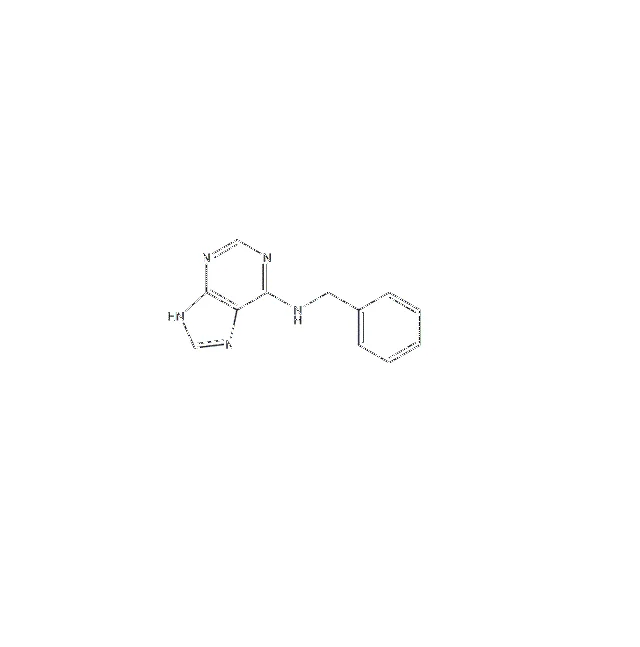
6-Benzylaminopurine
6-BA is widely used because of its high efficiency, stability, cheapness and ease of use, and it is the most favorite cytokinin for tissue culture. The main function of Ba is to promote the formation of buds and induce callus. It can be used to improve the quality and yield of tea and tobacco, the preservation of vegetables and fruits, and the cultivation of rootless bean sprouts, which can significantly improve the quality of fruits and leaves.
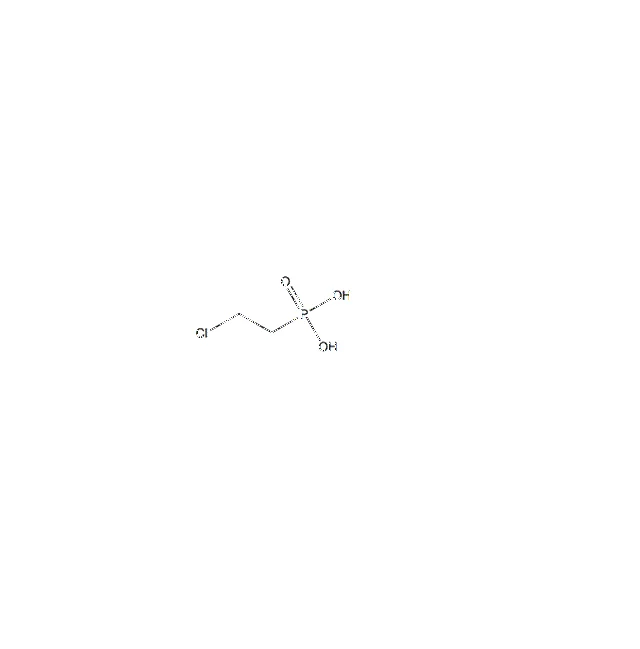
Ethephon
The pure product is white needle crystal. m. 74-75 ℃, soluble in water and alcohol, insoluble in dichloroethane and benzene. It is stable under the condition of pH < 3, and releases ethylene under the condition of pH > 3 and alkaline, and releases ethylene and 2-hydroxyphosphonic acid in the plant. Industrial products are light yellow viscous liquid or waxy solid. Organophosphorus plant growth regulator. It can promote the early ripening of all kinds of fruits, such as bananas, oranges, tomatoes, watermelons, etc., can promote rubber, lacquer trees, etc., can promote the early opening of female flowers and more female flowers of cucumbers, can be used for accelerating the ripening of cotton and tobacco leaves, and can also inhibit plant growth, make plants shorter, break seed dormancy and other functions. Half a month before early frost, cotton was sprayed with water of 40% ethephon 15 to 22.5g/100m2. When banana was treated with 0.2-2g/l ethephon aqueous solution, ripening was accelerated.
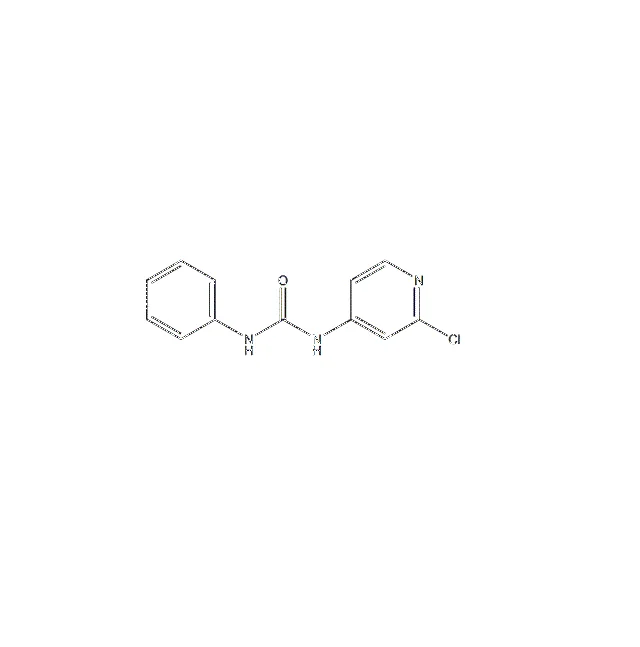
Forchlorfenuron
The crude drug (more than 85%) is white solid powder, m.p.168-174 ℃. It is soluble in acetone, ethanol and DMSO, and its solubility in water is 65mg / L. As a plant growth regulator, it has cytokinin activity, can promote cell division, differentiation, organ formation, protein synthesis, improve photosynthesis, etc.
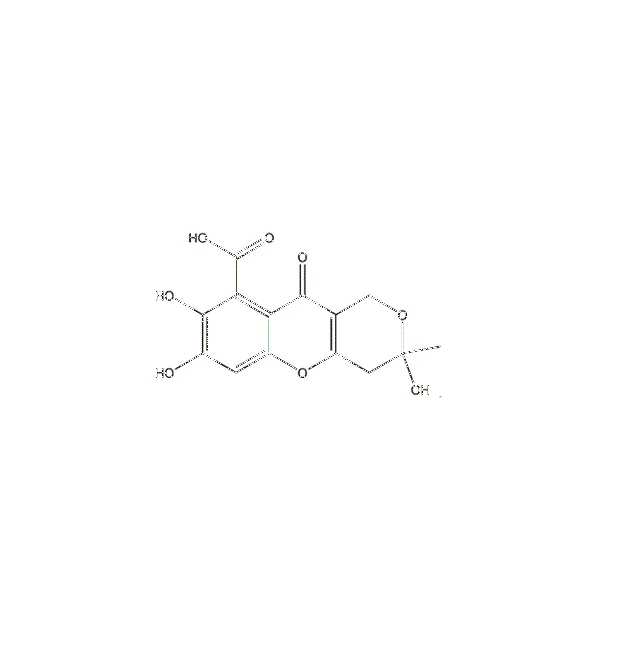
Fulvic Acid
Compared with humic acid, fulvic acid has lower molecular weight, less carbon and more oxygen in its molecular structure, and higher content of acid functional group (- COOH) than humic acid. In addition, fulvic acid contains more ketone carbonyl and hydroxyl than humic acid, so it has stronger acidity in aqueous solution than humic acid. At present, the specific molecular structure of fulvic acid is not very clear. Based on the carbon skeleton structure of humus, a structure model of fulvic acid is obtained as shown in Figure 1. The carbon content of fulvic acid is generally between 40% and 50%, the hydrogen content is between 4% and 6%, and the oxygen content is between 44% and 50%.
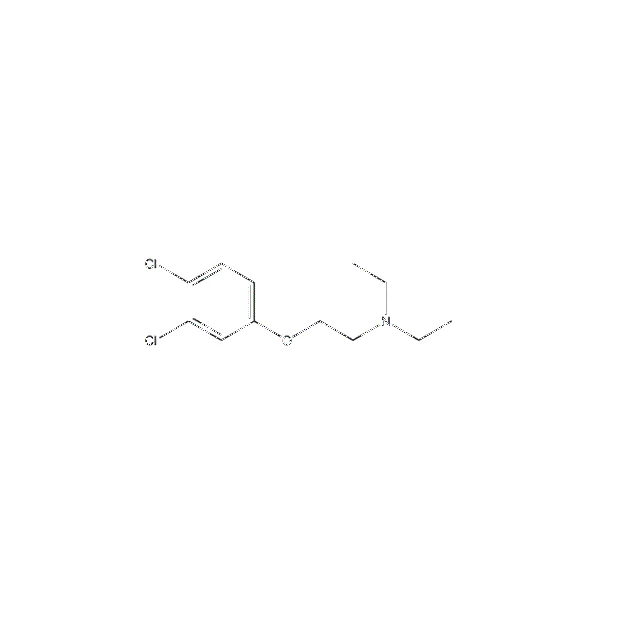
Guayule
The pure product is white solid, soluble in water and organic solvent, stable to acid, harmless to leaves and growth of crops, and low toxic to human and livestock. The early studies on increasing yield of amines showed that it could stimulate inulin to increase latex and increase rubber yield by 2-6 times. Further studies showed that increasing yield of amines could not only promote growth, but also increase the flavor and color of fruits, and also enhance the disease resistance of the products.
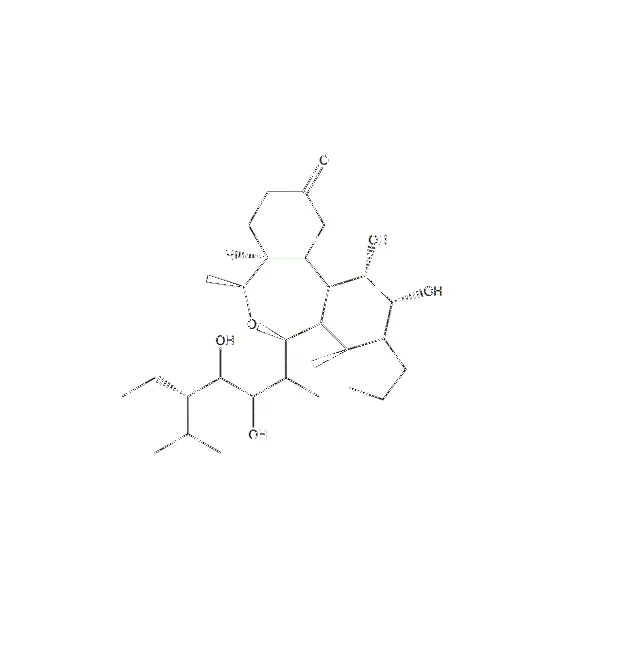
Homobrassinolide
This is a new type of green plant growth regulator, which can promote the growth of vegetables, melons, fruits and other crops, improve the quality of crops, improve the yield of crops, make the color of crops bright and the leaves thicker through the appropriate concentration of seed soaking and spraying. It can also advance the leaf picking time of tea, and make the melon and fruit have higher sugar content, larger individual, higher yield and more storage resistance.
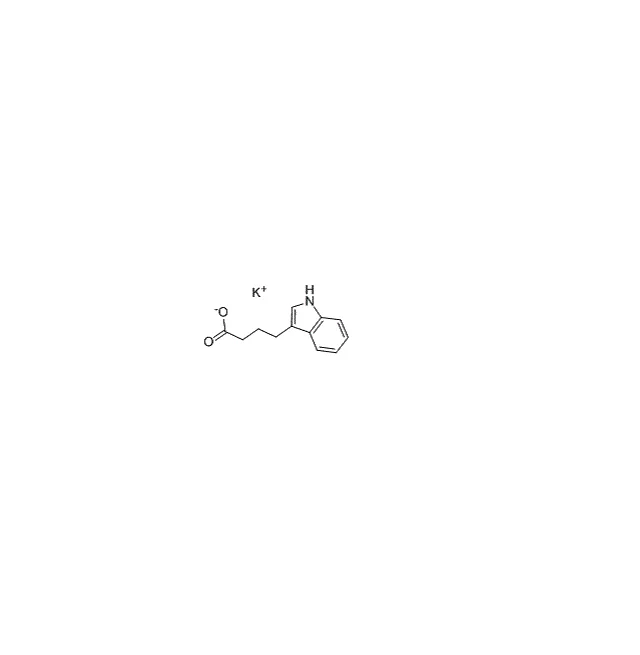
INDOLE-3-BUTYRIC ACID POTASSIUM SALT
The original medicine is pink powder or yellow crystal, easy to dissolve in water. Melting point 121-124 degrees, solubility: About 50g toxicity: acute oral rats > ld5031600mg / kg, rats > ld505000mg / kg through skin. Potassium indobutyrate is the potassium salt of indobutyrate, which has the basic effect and use of indobutyrate. The pure product is white to light yellow crystal solid, which can protect flowers and fruits and promote rooting.
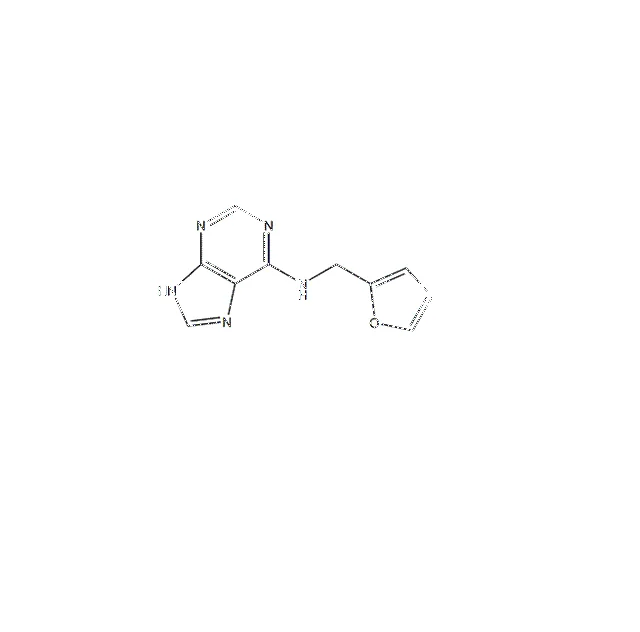
Kinetin
White crystal or white crystalline powder, melting point: 266-276 (sealed tube), easy to dissolve in dilute acid and alkali, difficult to dissolve in water, alcohol, ether and acetone. Mainly used in plant hormones, cytokinins.
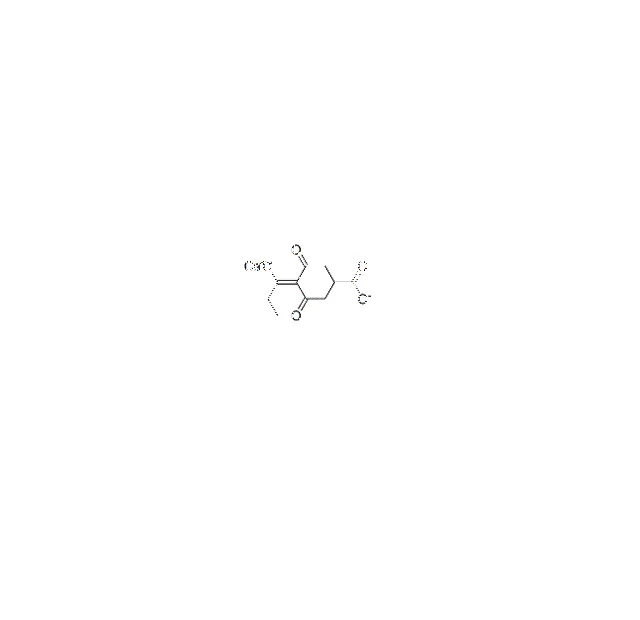
Prohexadione Calcium
Calcium cyclamate is a new plant growth regulator. The synthesis of gibberellic acid can be inhibited by leaf absorption of plant seeds and roots,. It can shorten the stem elongation of many plants. In addition, the dry matter accumulation, quality improvement and yield increase of the underground tuber and tuber crops, and the slight control on some fruit trees have a good effect on fruit color conversion and ripening. Compared with the triazole retarders widely used at present, calcium cyclamate has no residual toxicity to rotation plants and no pollution to the environment, so it is possible to replace triazole retarders and has a wide application prospect.
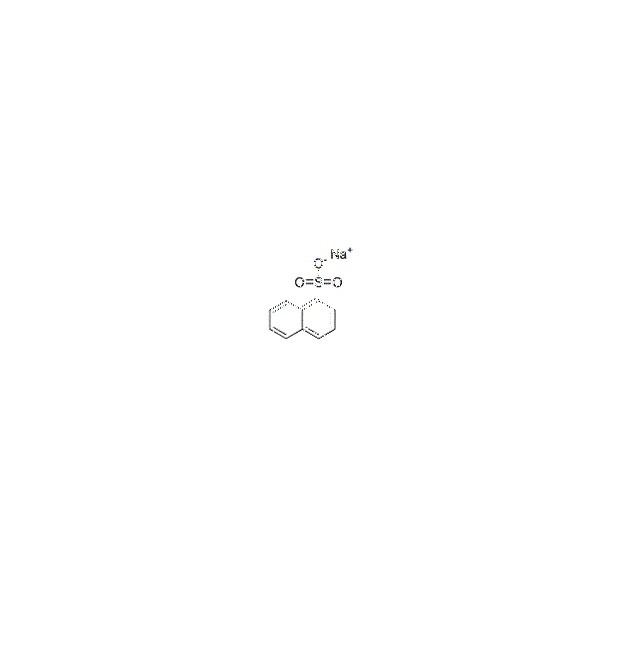
Sodium Α-naphthyl Acetate
Sodium a-naphthylacetate is a broad-spectrum plant growth regulator. It has the function and physiological function of endogenous auxin. It can promote the form of adventitious roots and roots, accelerate the rooting of cuttings and seeds, promote the division and expansion of cells, promote the differentiation of chemical books into buds and flower buds, accelerate the synthesis of chlorophyll, promote the fruit expansion, prevent the falling of flowers and fruits, and change the male and female flowers Ratio, as well as to promote the root and leaf exuberance of plants, improve the yield, improve the quality, and enhance the resistance to drought, cold and disease.