

Agricultural Farm Chemicals (194)
Showing 25–36 of 194 products · Page 3 of 17
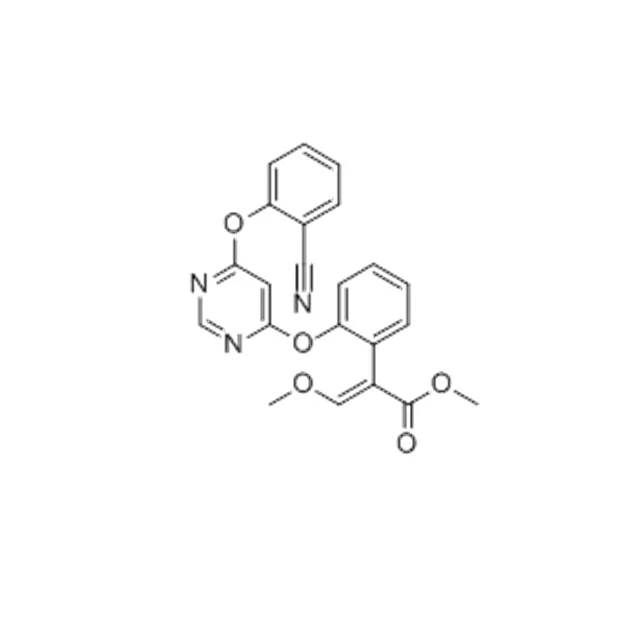
Azoxystrobin
Azoxystrobin is a systemic fungicide commonly used in agriculture.
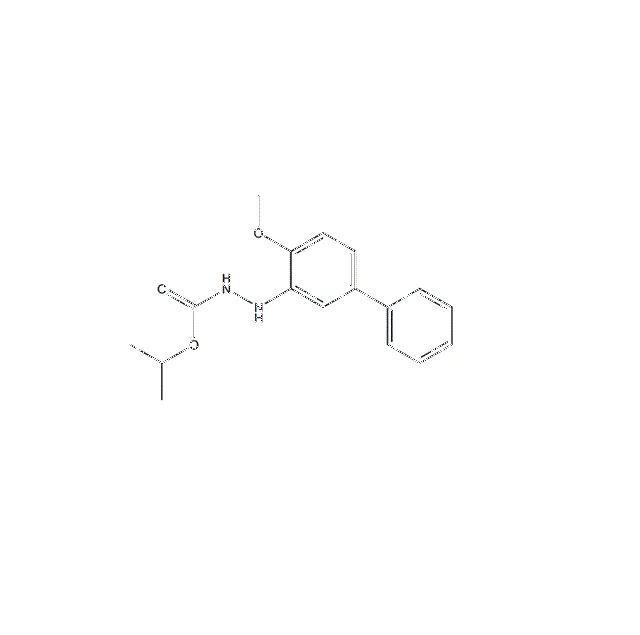
BIFENAZATE
Diphenyl hydrazine is a new type of acaric agent for selective leaf spray. Its mechanism of action is its unique action on the inhibitor of mitochondrial electron transport chain complex III [1]. It is effective for all life stages of mites, with egg killing activity and knockdown activity for adult mites (48-72 h), and has a long period of validity. The duration of validity is about 14 days, and it is recommended to use within the dose range for crop safety. Low risk to parasitoids, predacious mites and sandflies.
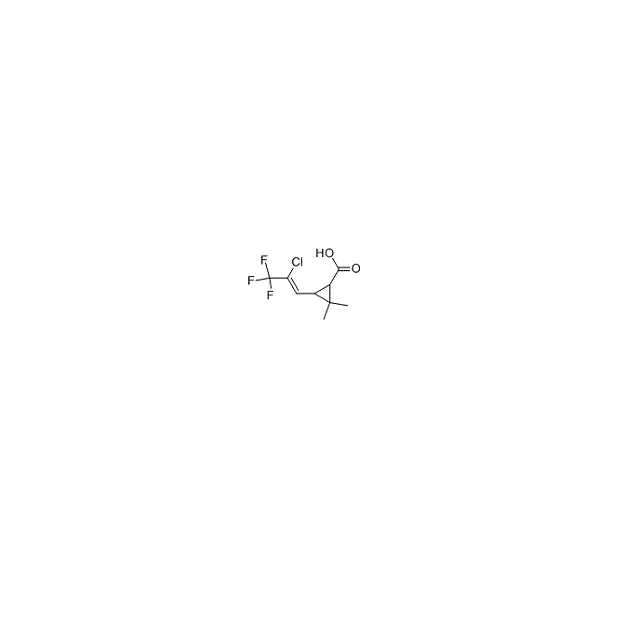
BIFENTHRIN ACID
This product is a white powder solid, m.p.108-110 °C, insoluble in water, soluble in benzene, toluene and other organic solvents. Pyrethroid is one of the important intermediates of pyrethroid insecticides. It can be used to synthesize pyrethroid with high efficiency.
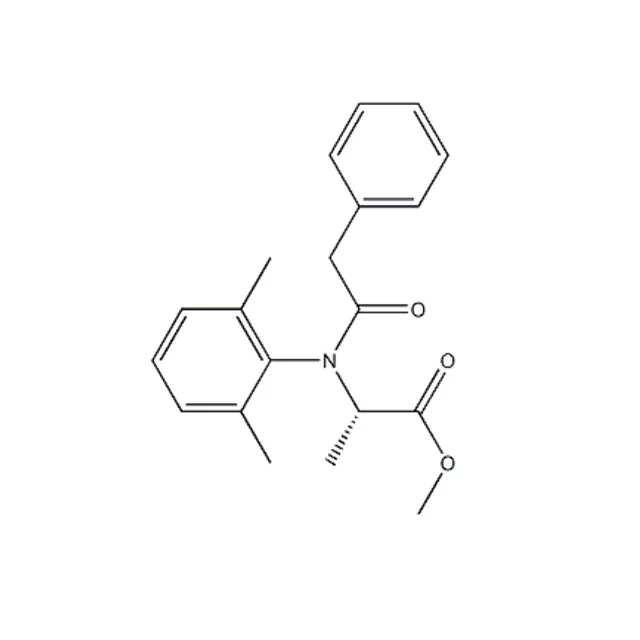
Benalaxyl
Benalaxyl is sysytemic fungicide, used to control grape downy mildew, tomato late blight and potato late blight, tobacco downy mildew.
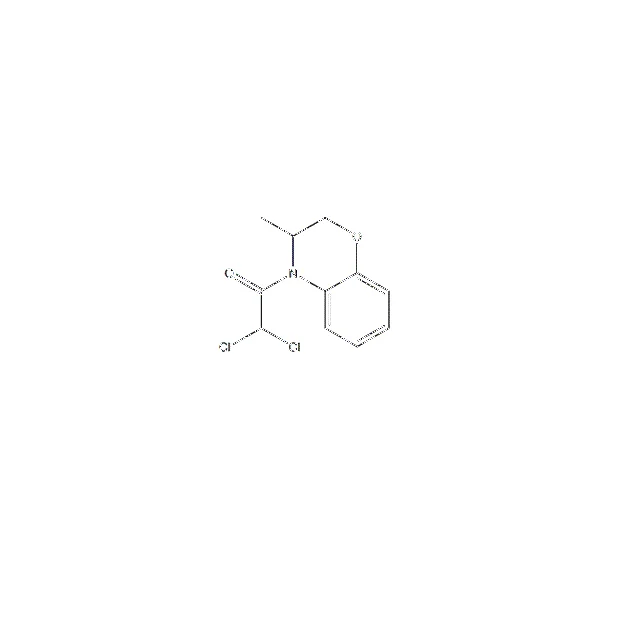
Benoxacor
It is an antidote of Chloroamide herbicide. Under normal and adverse environmental conditions, it can increase the resistance of Maize to metolachlor. The activity of metolachlor to sensitive strains was not affected when 30 metolachlor were used before replanting or after sprouting.
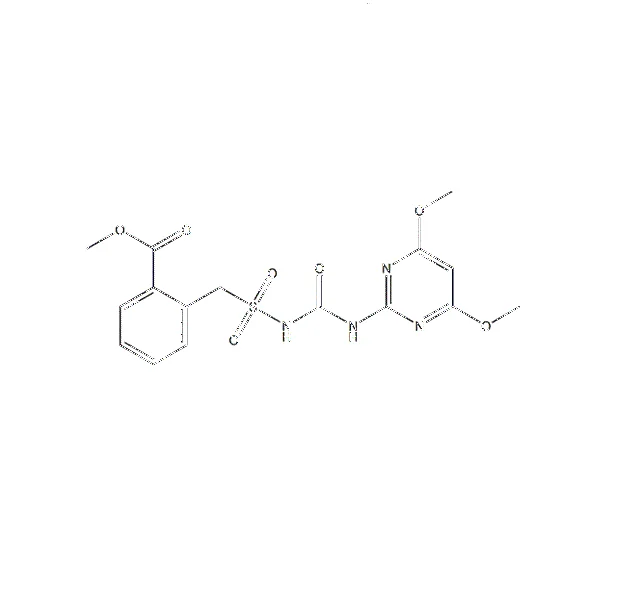
Bensulfuron Methyl
An acetolactate synthase inhibitor, it is used as a herbicide for the control of a variety of both annual and perennial weeds in crops, particularly wheat and rice.
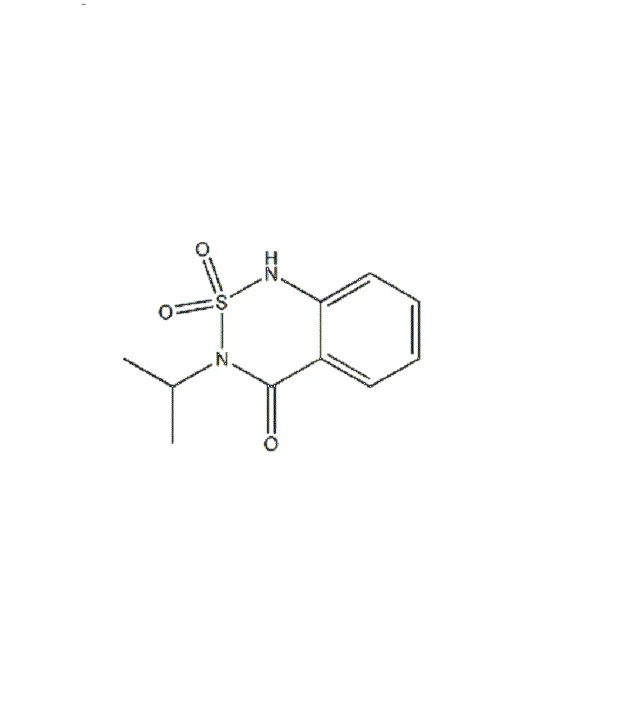
Bentazone
Selective post-emergent herbicide: A post-emergence herbicide used to control broadleaf weeds in crops such as beans, corn, mint, soybeans, rice, and peanuts. All products formerly marketed in the U.S. contain the sodium salt of bentazon as the active ingredient, referred to as sodium bentazon. Also used in selective post-emergent control of broadlelaf weeds and sedges in alfalfa, asparagus, cereals, clover, digitalis, dry peas, flax, garlic, grasses, green lima beans, mint, onions, potatoes, snap beans for seed, sorghum, soybeans and sugarcane.
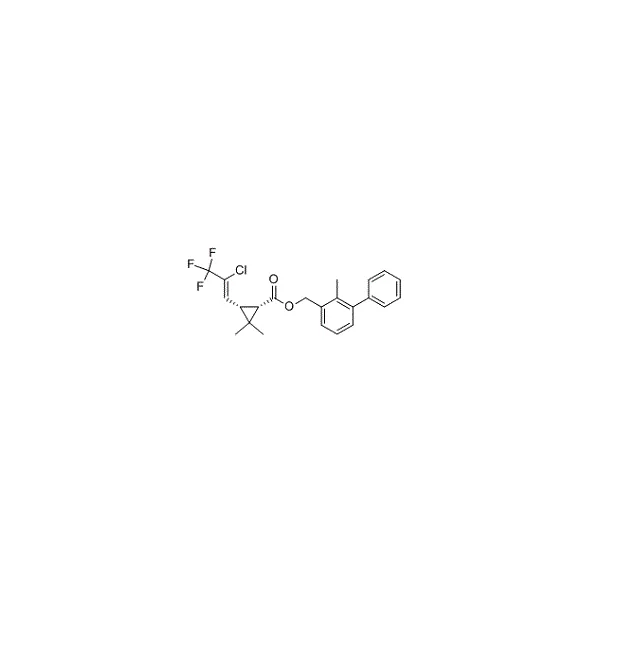
Bifenthrin
Bifenthrin is one of the new agricultural insecticides developed rapidly in the 1970s and 1980s, which is widely used in the world. Bifenthrin has moderate toxicity to human and livestock. It has high affinity and insecticidal activity in the soil. It has stomach toxicity and contact killing effect on insects. It is used in a variety of crops to control aphids, mites, cotton bollworm, pink bollworm, peach borer, leafhopper and other pests.
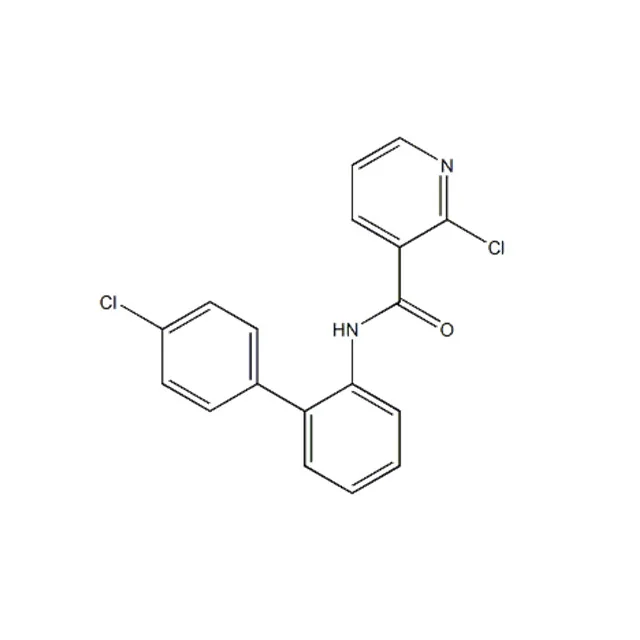
Boscalid
Boscalid is agricultural fungicide. Boscalid is Almost active against all types of fungal diseases. It is very effective against powdery mildew, gray mold, sclerotinia and various rot diseases, and is also effective against other resistant bacteria.Boscalid mainly is used for the prevention and treatment of diseases including rapeseed, grapes, fruit trees, vegetables and field crops.
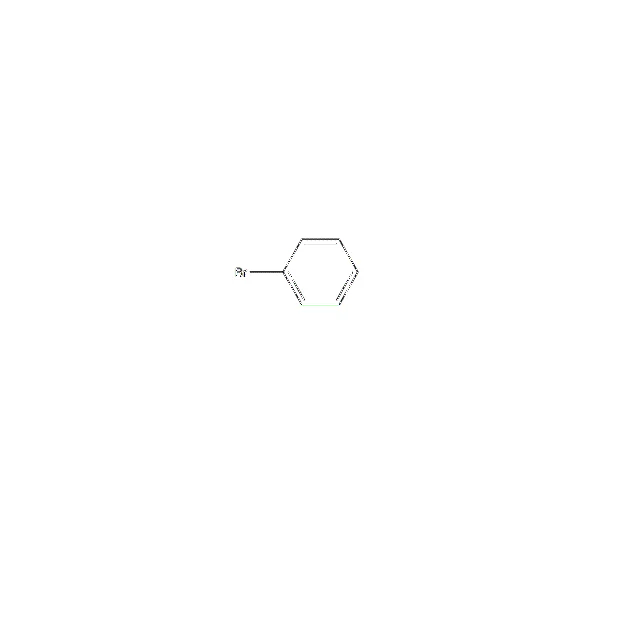
Bromobenzene
The product is colorless and mobile liquid at room temperature, with pleasant aromatic smell, and is miscible with benzene, chloroform and petroleum hydrocarbon. It is irritant to the skin and anesthetic to the nerves. Its toxicity is stronger than chlorobenzene. Inhalation of the vapor can cause anemia and damage to the liver. The electrophilic substitution of bromobenzene is more difficult than that of benzene. The second substituent enters the o or P position of bromine atom (similar to chlorobenzene). The interaction between bromobenzene and metallic magnesium can produce phenylmagnesium bromide, which is an important Grignard reagent in organic synthesis.
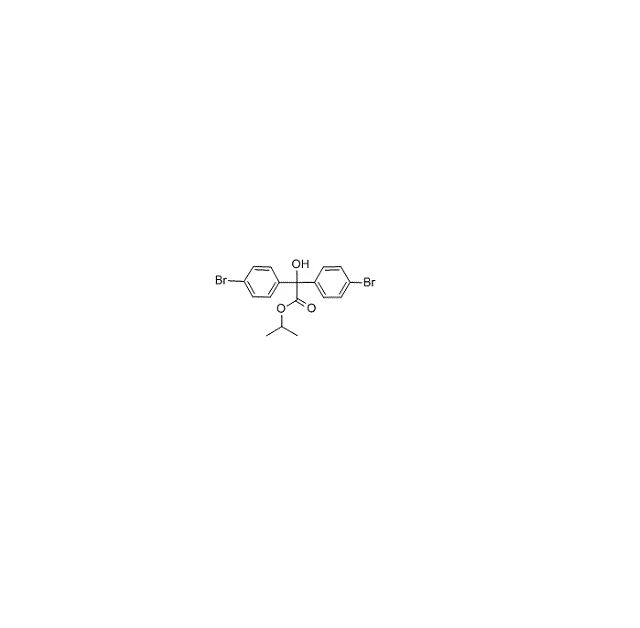
Bromopropylate
Broad spectrum acaricide has strong contact killing effect and no inhaling effect. It has high activity to RUOYE mite, adult mite and egg, but the effect of temperature change is not significant. It can be used in cotton, fruit trees, vegetables, tea trees to control Tetranychus, gall mite, linear mite and other harmful mites. For example, control of Tetranychus citrus spider mite, spray with 1250~2500 times liquid of 50% emulsifiable concentrate, spray of 2500 times of rust mite, spray of hawthorn spider mite and apple spider mite with 1000~1250 times liquid; spraying tea leaf mite and orange mite with 2000~4000 times liquid; prevent cotton spider mite from 20 to 30mL of 50% emulsifiable concentrate, spray 50 to 75kg of water; 50% MEC of 25 TEG to 40mL of various vegetable mites, spray water 50 to 75kg. The pesticide has a long residual period, is safe to crops, natural enemies and bees, and has cross resistance to dicofol.
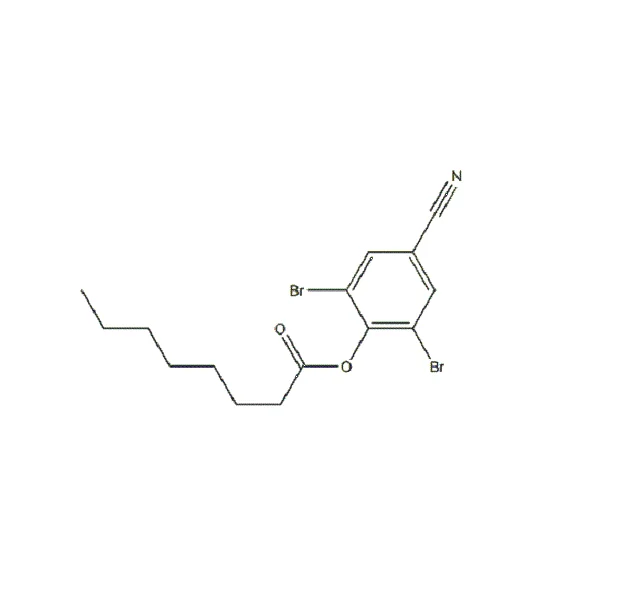
Bromoxynil Octanoate
Contact MOSINTER for product specifications and supply information.