

Agricultural Farm Chemicals (194)
Showing 181–192 of 194 products · Page 16 of 17
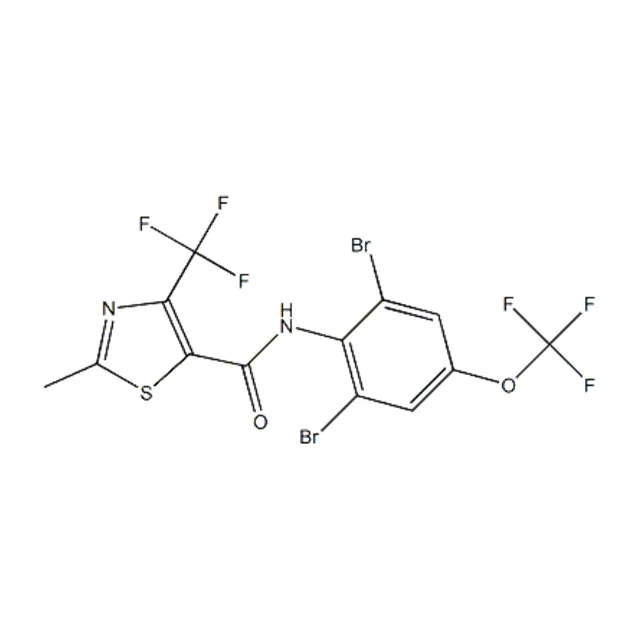
Thifluzamide
Thifluzamide is control of a wide range of Basidiomycete fungicide on rice, cereals, field crops and turf, by foliar application and as a seed treatment. It is particularly effective for foliar treatment of Rhizoctonia, Puccinia and Corticium, and for seed treatment of Ustilago, Tilletia and Pyrenophora.
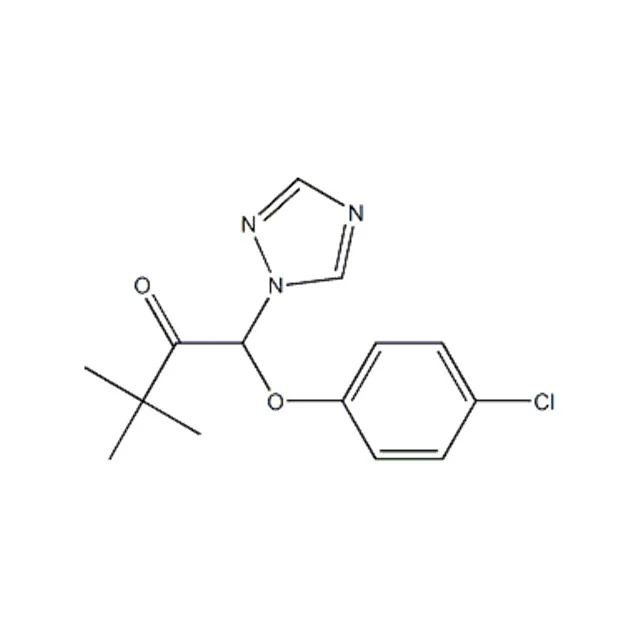
Triadimefon
Triadimefon is a systemic fungicide that is used to control powdery mildews, rusts, and other fungi on coffee, seed grasses, cereals, fruits, grapes, vegetables, vines, pineapple, sugar cane, sugar beets, turf, shrubs, and trees.
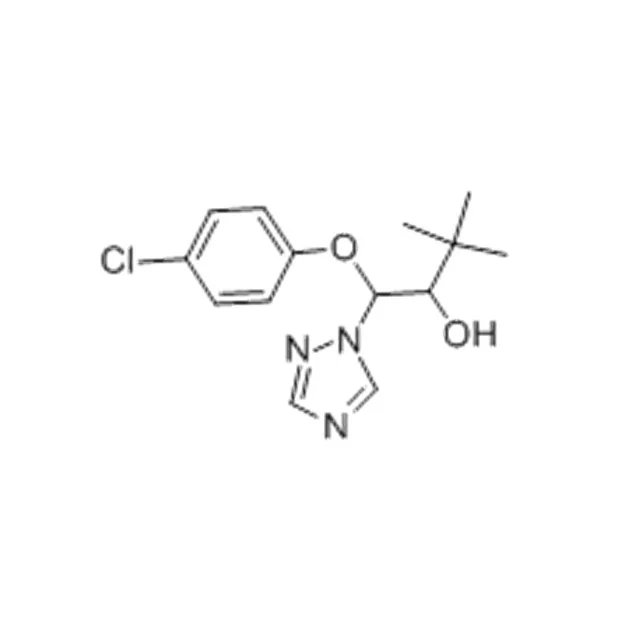
Triadimenol
Triadimenol is used to control seed-and soil-borne diseases and to provide early season control of foliar diseases. It is applied to seeds of barley, corn, oats, rye, sorghum and wheat and also to fruits, vegetables and ornamentals.
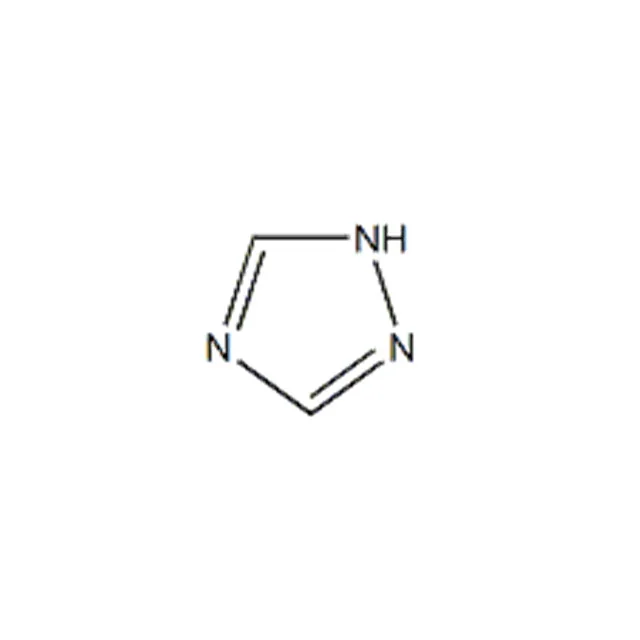
Triazole
Triazole is used as dye, medicine, pesticide intermediates, inhibitor, antioxidant and other fine chemicals.
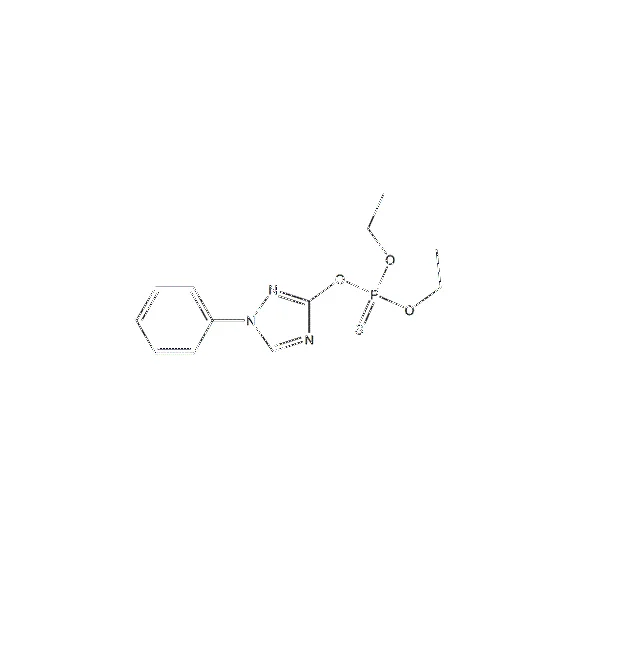
Triazophos
The broad-spectrum organophosphorus insecticide and acaricide can not only kill nematodes to a certain extent, but also have stomach toxicity and contact killing effects, which can penetrate into plant tissues, but also have no inhaling activity, and can harm crop pests (borer, bollworm, spider, aphid) such as cotton, grain, fruit tree, etc, It has a significant effect on underground pests, plant nematodes and forest pine caterpillars, with a period of validity of more than 2 weeks. Its egg killing effect is obvious, especially on Lepidoptera. The LD50 of acute oral toxicity in rats was 66 mg / kg. The preparation includes emulsifiable oil, granules and ultra-low volume liquid.
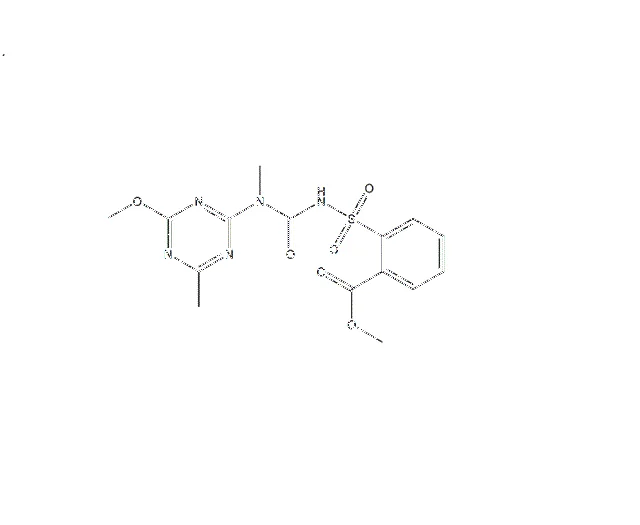
Tribenuron Methyl
is a sulfonylurea herbicide, Inhibition of acetyl lactic acid synthetase, block cell division, inhibit shoot tip and root growth. The root of plant leaves after absorption, death within 14 d. Used in cereal crop fields, effective control of broad-leaved weeds.
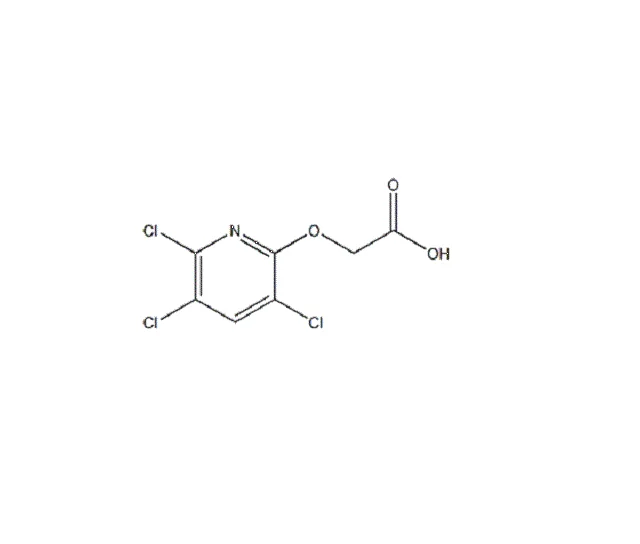
Triclopyr
Triclopyr is a systemic, foliar herbicide in the pyridine group. It is used to control broadleaf weeds while leaving grasses and conifers unaffected.
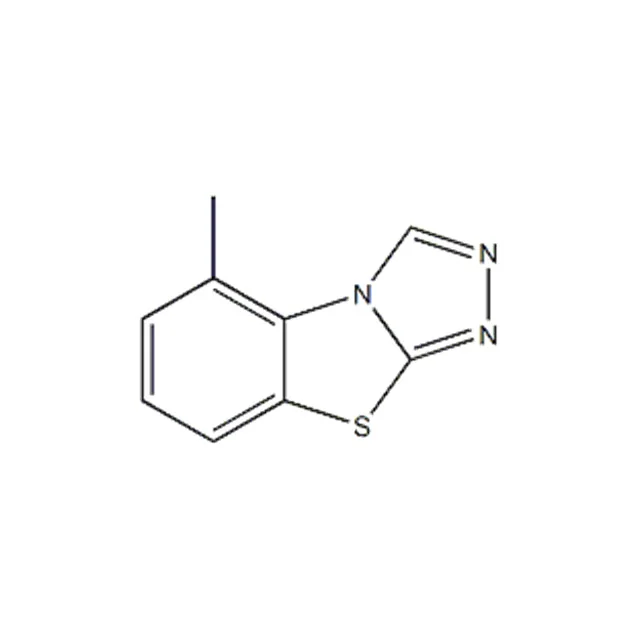
Tricyclazole
Tricyclazole is an common active ingredient in several commercial fungicide products used to control rice blast fungus, in transplanted and direct-seeded rice.
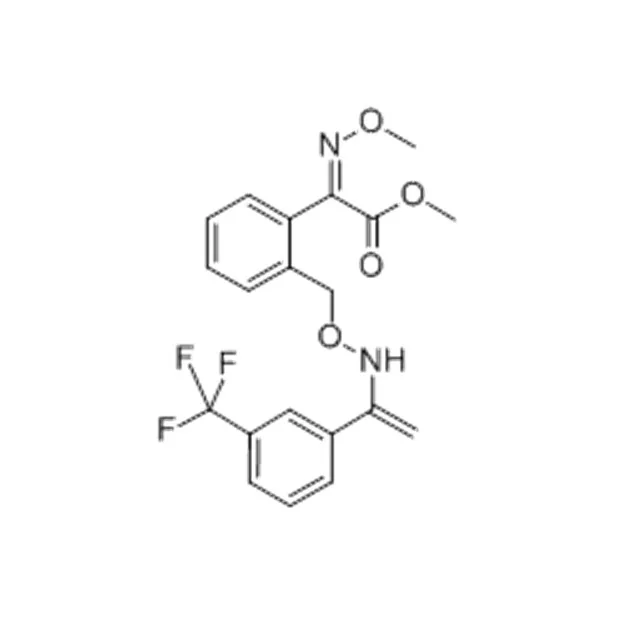
Trifloxystrobin
Trifloxystrobin is a strobilurin foliar fungicide. Trifloxystrobin inhibits mitochondrial respiration by blocking electron transfer within the respirator chain. Therefore, trifloxystrobin is a potent inhibitor of 2 fungal spore germination and mycelial growth. It has a high level of activity against many fungal pathogens within the Ascomycete, Deuteromycete, Basidiomycete, and Oomycete classes.
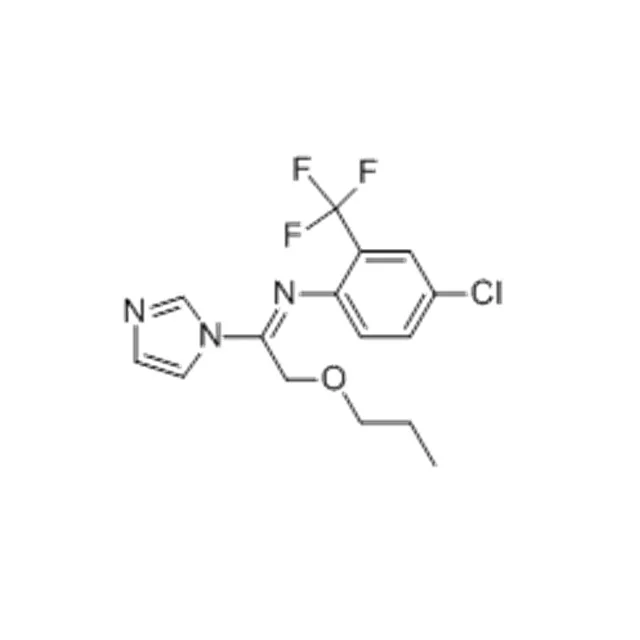
Triflumizole
Suitable for controlling powdery mildew of melons and vegetables.Control of Gymnosporangium and Venturia spp. in pome fruit,against powdery Erysiphaceae in fruit and vegetables,and against Fusarium, Fulvia and Monilinia spp. It is also used as a seed treatment against Bipolaris oryzae, Tilletia and Ustilago spp. in cereals.
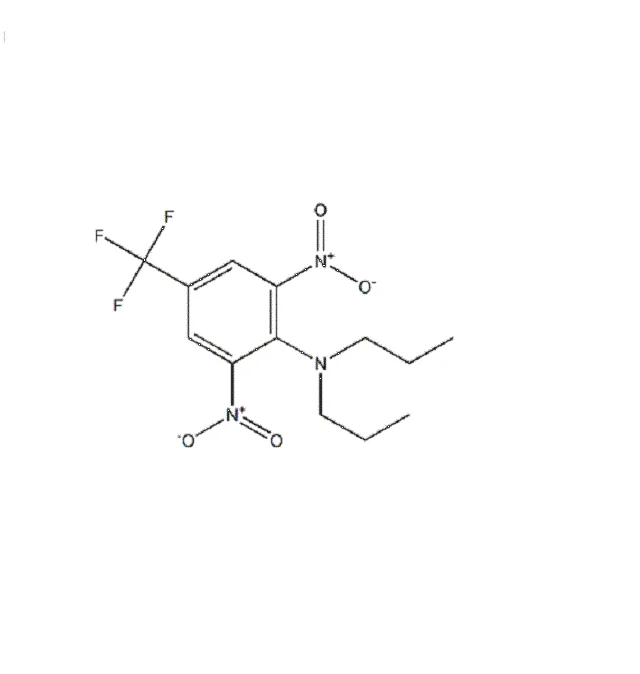
Trifluralin
Trifuralin (sold under trademe such as Treflan, Elancolan or Trefanocide) is a selective pre-emergence herbicide. It is used for pre-plant soil incorporation for the control against annual grasses and some broadleaf annual weeds. It is widely used on soybeans and cotton. It also finds its use in a large number of food crops, including broccoli, cabbage, onions, leafy green vegetables, beans, tomatoes, potatoes, wheat, sugar beet, and sugar cane. For its use on fruit trees, the plant must not be bearing fruit at the time of application. It may also be used to protect residential ornamental plants, such as trees, herbaceous plants, woody shrubs, and vines. Trifluralin has low water solubility. It has high affinity for soil and is relatively immobile. It is not acutely toxic mammals, but it is highly toxic to fish and other aquatic organisms.
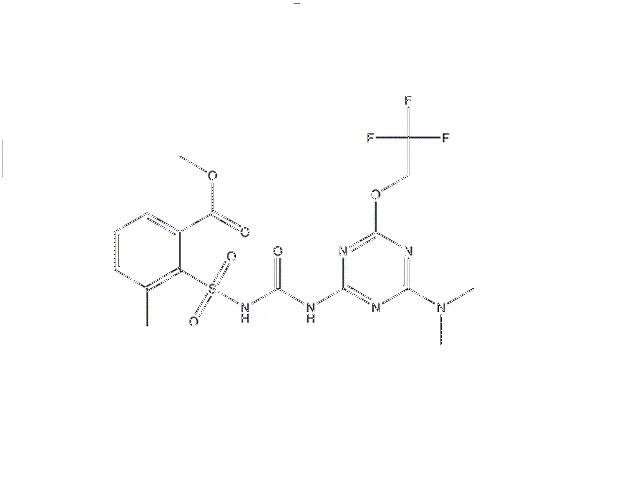
Triflusulfuron-methyl
Application:Sulfonylurea herbicide, inhibit plant acetyl lactic acid synthetase, and block the branched chain amino acid biosynthesis, thus affecting plant cells divide and grow. Used to control sensitive broadleaf weeds and gramineous weeds. Under the effect of reagent, the weeds to suspend the growth, then green, until they die. Can be used for sugar beet crops such as bud after weeding, high safety, recommended dosage of 10 ~ 25 g/hm2. Adding 0.05% ~ 0.25% non-ionic surfactants or 0.5% ~ 1.0% vegetable oil, help to improve its compatibility, and improve the activity of certain plants.